
 Get Guardian on Google
Organisation says women remain grossly underrepresented in political leadership, urges reforms to discriminatory party structures.
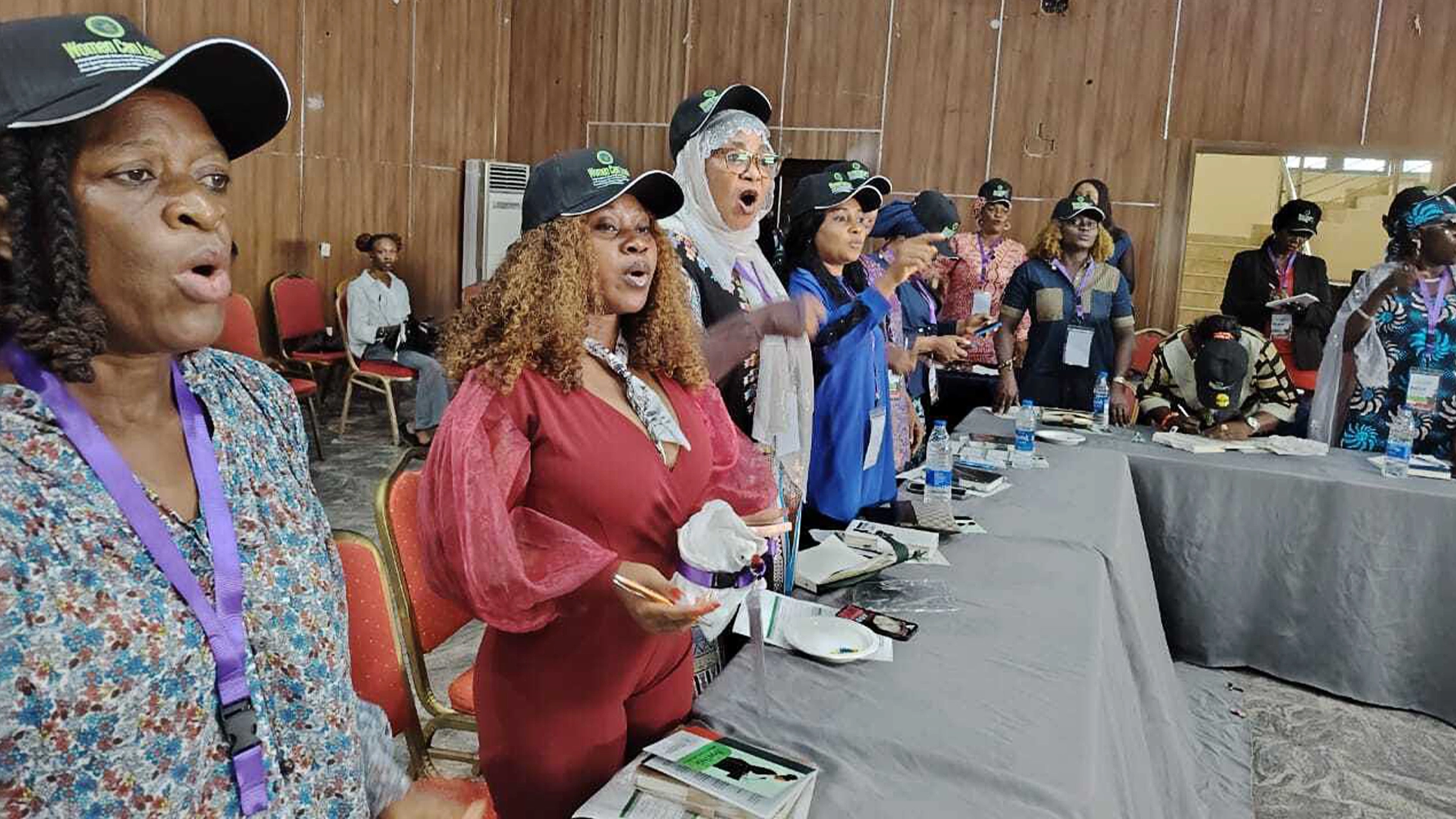
Ahead of the 2027 general elections, the African Centre for Leadership, Strategy and Development (Centre LSD) has trained female politicians seeking elective positions on the platforms of various political parties, urging reforms to discriminatory structures limiting women’s participation in politics.
The organisation said Nigerian women remained grossly underrepresented in political leadership, citing unequal access to campaign financing, political violence, harmful social norms and limited access to influential political networks as major obstacles to their advancement.
Speaking at an intersectional Women’s Leadership and Governance Incubator training in Abuja on Thursday, the founding Executive Director of Centre LSD, Dr Otive Igbuzor, said Nigeria must move beyond encouraging women to participate in politics and deliberately transform the structures, institutions and practices preventing them from exercising power and influence.
The training was organised under the Women Can Lead Project, a 24-month initiative designed to strengthen women’s leadership, political participation and influence in governance and decision-making.
Igbuzor said women must move beyond participation to influence, stressing that their involvement in political meetings and symbolic positions would not translate into meaningful representation unless they could shape party decisions, candidate selection, policy formulation, resource allocation and governance outcomes.
He also urged women to move from individual ambition to collective political power through solidarity, strategic alliances, mentoring and mutual support across political, generational and social divides.
“Women must support one another across political, generational and social divides while building strategic alliances with men who are committed to gender equality,” he said.
According to him, the success of the incubator should not be measured by the number of certificates issued but by the number of women who become politically effective, secure leadership opportunities, influence decisions and win elective positions.
Speaking on why women should occupy leadership positions, Igbuzor said leadership was determined by capacity, competence, character and vision rather than gender.
He noted that women constituted approximately half of the population, brought important experiences and perspectives to governance, and had demonstrated their leadership capacity in Nigeria and across the world.
He added that inclusive leadership strengthened governance and development, making women’s representation essential to national progress.
However, he lamented that discriminatory political structures, unequal campaign financing, political violence and harmful social norms continued to restrict women’s access to political leadership.
“We must therefore move beyond merely encouraging women to participate. We must deliberately transform the political structures, institutions and practices that prevent women from exercising power and influence,” he said.
In her keynote address, the President of Women in Politics, Barrister Ebere Ifendu, described gender-based violence as not merely a social problem but also a weapon used against women seeking political office.
Represented by Ms Charity Anaja, Ifendu said women entering politics faced physical, psychological, sexual, economic and increasingly digital forms of violence.
She identified physical intimidation and attacks during party primaries, rallies, campaign events and elections as recurring challenges, sometimes involving hired thugs and individuals within political parties.
She also highlighted sexual harassment and coercion, including expectations that political support or party tickets could come at a personal price.
Other forms of violence, she said, included character assassination and online abuse targeting women’s morality, marriages, dressing and families rather than their policies and records.
Ifendu further identified economic violence through the denial of campaign funding and exclusion from informal political networks, as well as threats against family members and pressure from husbands, relatives and communities to abandon political ambitions.
She also condemned institutional discrimination, including the exclusion of women from party structures, committee leadership positions and meaningful participation in legislative proceedings.
Speaking on the objectives of the training, the Acting Director of Development at Centre LSD and Project Lead of the Women Can Lead Project, Pastor Praise Enang, said the programme was designed to equip participants with practical skills to navigate political systems, build collective influence and advance their leadership aspirations.
She explained that the initiative would deepen participants’ understanding of political processes while strengthening their capacities in negotiation, advocacy, public speaking, political strategy and collective action.

According to her, the intervention also seeks to address persistent barriers to women’s meaningful participation in politics and governance, including restrictive party structures, limited access to political networks and inadequate strategic support.
The training features expert-led sessions on negotiation and advocacy, public speaking, political party membership, political strategy and collective power.
The sessions are designed to equip participants with practical approaches to influencing political decisions, communicating effectively in public spaces, identifying political opportunities and building alliances within party structures.
In her goodwill message, the Chairperson of the House of Representatives Committee on Women Affairs and Social Development, Hon. Kafilat Ogbara, said women had demonstrated their capabilities in public service, business, law, banking, education, community development and politics.
She, however, questioned whether Nigeria was creating the institutional, political and social conditions required for women to participate meaningfully, compete fairly and exercise leadership.