• Yiaga says 77% of Nigerians intend to vote amid insecurity scare
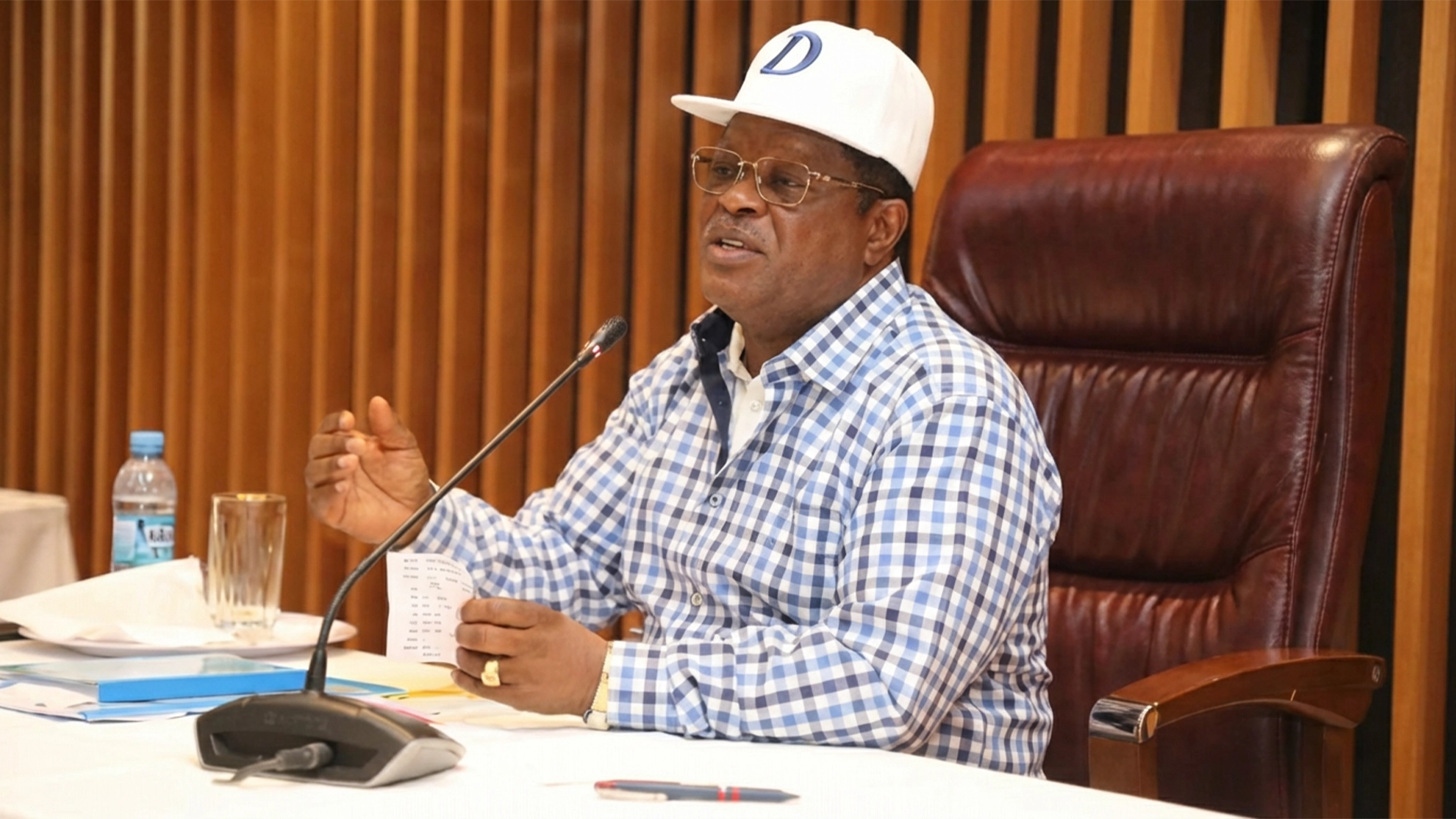
Chieftain of the Peoples Democratic Party (PDP), Bode George, has told the Chairman of the Independent National Electoral Commission (INEC), Prof. Joash Amupitan, that Nigerians won’t accept excuses of glitches during elections.
George gave the warning on Monday when he appeared as a guest in an interview on ‘Politics Today’, a programme on Channels Television. His remarks came as the country prepares for the 2027 General Elections.
The elder statesman urged the new INEC boss not to repeat the same “intentional” mistake his predecessor made in the 2023 General Elections.
“Remember the last election, too, when Buhari bought the necessary tools. What did we do? They said there was a glitch.
“So, let’s reverse back. Mr Amupitan, there should be no glitch in this system,” he said. George spoke just as Yiaga Africa disclosed that most Nigerians plan to participate in the 2027 General Elections, but that widespread insecurity and lingering distrust in electoral institutions threaten to undermine actual turnout.
According to the findings of its new national survey, Yiaga states that 77 per cent of Nigerians are likely or very likely to vote in 2027. The survey also shows that 42 per cent of respondents cite fear of violence as the biggest barrier to voting.
“The challenge for 2027 is ensuring that the 77 per cent who want to vote can actually do so safely and with confidence in the process,” Yiaga Africa noted in a statement.
The survey, conducted between December 1 and 5, 2025, forms part of Yiaga Africa’s national voter intention surveys, which aim to “test prevailing assumptions about voter interest and participation, while identifying the key drivers and barriers to citizen engagement ahead of the 2027 elections”.
The survey was conducted among 1,500 adult Nigerians across all states and the FCT, with a 95 per cent confidence level and about 4.26 per cent margin of error.
The survey was commissioned by Yiaga Africa and carried out by NOI Polls with support from the UK’s Foreign, Commonwealth and Development Office (FCDO).
Yiaga noted that while northern Nigeria recorded the highest likelihood to vote, the region also faced some of the most severe security challenges, including insurgency, banditry and communal violence.
The survey also shows that Nigerians’ voting decisions are increasingly shaped by practical concerns rather than party loyalty. Security (21 per cent) and quality of candidates (21 per cent) emerged as the top factors influencing voting intentions, followed by economic conditions (17 per cent).
On confidence in the electoral process, the organisation said that while 76 per cent of respondents believe their vote can influence election outcomes, only 45 per cent expressed confidence in the Independent National Electoral Commission (INEC), with 34 per cent saying they lack confidence. Distrust in INEC was found to be stronger in the South-South and South-East than in the northern zones.
The survey also noted that 67 per cent of Nigerians said they were unaware of recent electoral reforms, despite ongoing efforts by INEC and the National Assembly.
Yiaga Africa urged security agencies, INEC, the National Assembly, political parties, civil society, and the media to take urgent steps to address insecurity, rebuild trust, and improve voter education ahead of the 2027 elections.