 Follow Us on Google News


 Follow Us on Google Discover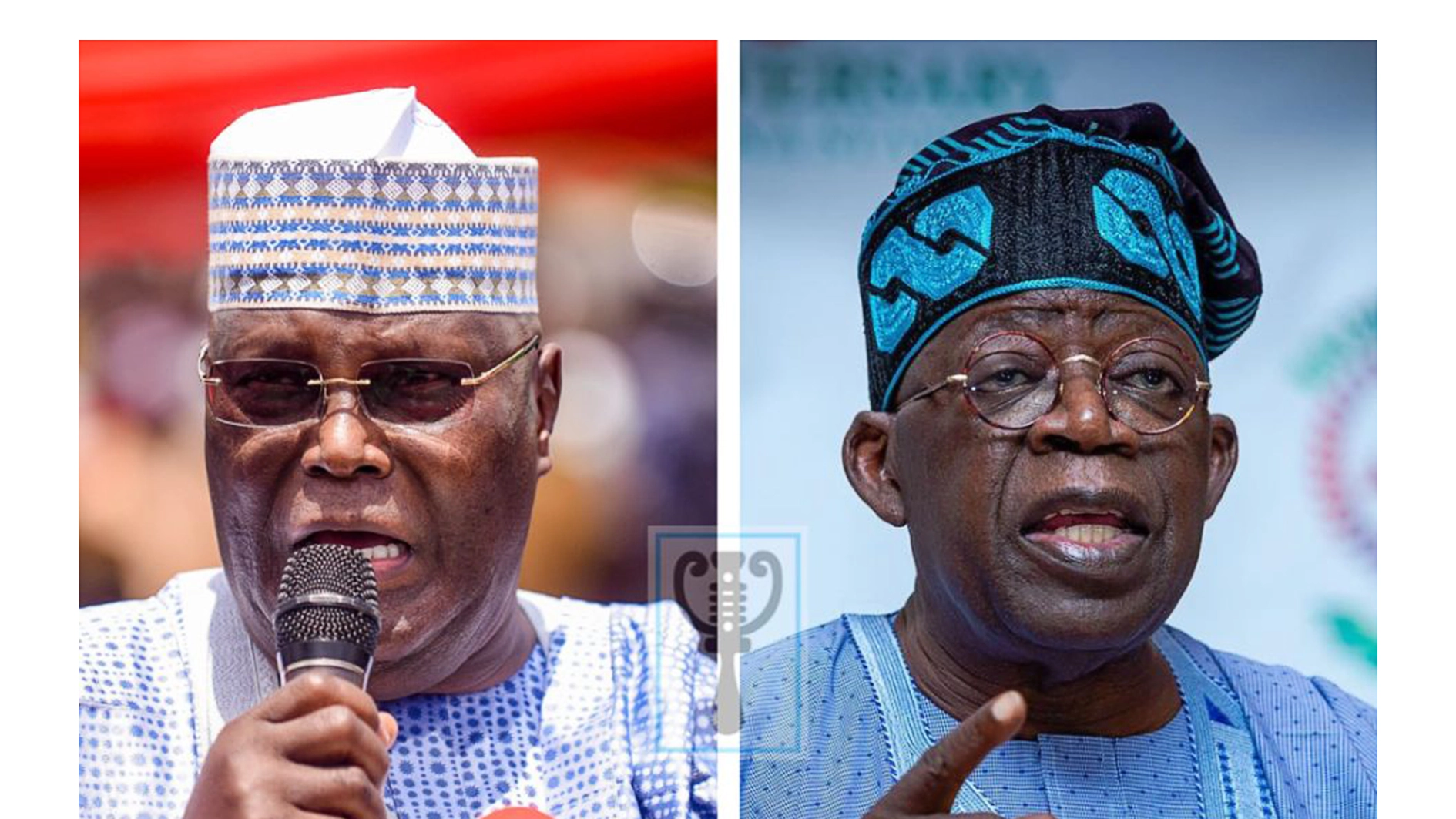
Former Vice President Atiku Abubakar has accused President Bola Tinubu’s administration of imposing severe economic hardship on Nigerians while continuing to accumulate debt, describing the government’s borrowing as excessive.
Atiku said this in a statement issued by Phrank Shaibu, Director of Strategic Communications of the African Democratic Congress (ADC) Presidential Campaign Council.
His comments followed the latest debt figures released by the Debt Management Office (DMO), which put Nigeria’s total public debt at ₦166.79 trillion as of June 30, 2026.
Atiku questioned why the government continued to borrow despite increased public revenues and demanded a detailed account of Nigeria’s existing debt, new borrowing and repayments.
“A government that says more money is coming in must explain why it keeps borrowing and why the people paying for its policies cannot see the promised gains,” he said.
He urged Tinubu to distinguish between previously unrecorded obligations, changes in the naira value of foreign debt arising from exchange-rate movements and genuinely new loans contracted since the administration assumed office.
“He should show what has been repaid and what remains outstanding. Accounting explanations must not become a hiding place for fresh borrowing,” Atiku said.
He also linked the debt situation to what he described as a widening gap between official claims of economic improvement and the experience of ordinary Nigerians.
“The Tinubu economy is producing two Nigerias: one in which ordinary citizens are suffocating under rising food, fuel, transport, electricity, education and housing costs, and another in which those with wealth, access and privilege are far better positioned to protect and multiply their fortunes,” he said.
Atiku argued that improvements in government revenue, foreign reserves and other macroeconomic indicators should not be regarded as sufficient evidence of economic success if household purchasing power continues to come under pressure.
“The true test of economic policy is whether Nigerians can afford food, transportation, housing, education, healthcare and electricity,” he said.
The International Monetary Fund (IMF), in its June 2026 Article IV assessment, said Nigeria’s reforms had improved macroeconomic outcomes but noted that conditions remained difficult for many Nigerians.

The IMF estimated poverty at 63 per cent under the national poverty line and said about 27 million Nigerians had faced food insecurity in late 2025.
It also warned that higher fuel, food and fertiliser prices could aggravate poverty and food insecurity.
Atiku said the rising cost of living made it necessary for the government to demonstrate how its economic reforms were improving household welfare.
“Nigerians were promised that today’s pain would produce tomorrow’s gain. After more than three years, they are entitled to ask: gain for whom?” he said.
He also raised concerns about the cost of servicing Nigeria’s debt, arguing that money devoted to debt service reduces the resources available for other public priorities.
“Money committed to debt service is money unavailable for competing public needs. Nigerians were told to endure the pain because there would be gains. Where are those gains?” Atiku asked.
The former vice president further demanded greater transparency over Nigeria’s external debt-service payments, including the classification of certain transactions under “other charges”.
He specifically questioned a reported $22.5 million charge associated with a First Abu Dhabi Bank Total Return Swap, asking the government to disclose the agreement, the purpose of the payment, the original facility, the amount drawn and the outstanding obligations.
The DMO has published its second-quarter 2026 external debt-service report, providing the official breakdown of Nigeria’s payments for the period.
Atiku also called for a reconciliation of Treasury Bill borrowing, following the DMO’s report of ₦19.48 trillion in outstanding Nigerian Treasury Bills as of June 30, 2026.
“Government should publish what subsequently matured, what was redeemed, what was rolled over and what constituted genuinely new borrowing,” he said.
Atiku said the administration should also explain how its borrowing strategy fits into the broader fiscal framework and demonstrate the benefits of the expenditure financed through debt.
He called on Tinubu to account for the sacrifices Nigerians had made since the removal of the petrol subsidy and the foreign-exchange reforms introduced by the administration.
“Nigerians were asked to sacrifice. Fuel subsidy was removed. The naira was allowed to depreciate sharply.
Electricity and transportation costs rose. Government revenues increased, yet borrowing continued,” he said.
“After all of this, the Nigerian people are entitled to ask one simple question: what exactly did our sacrifice buy?”
Atiku said the government should provide Nigerians with a detailed account of its revenues, borrowing, debt-service obligations and the outcomes of its economic policies.
“The real test of this economy is not whether the numbers look good in government presentations. It is whether ordinary Nigerians can afford to live,” he said.
He also called on Tinubu and the All Progressives Congress (APC) to apologise to Nigerians over what he described as the hardship caused by the administration’s economic policies.
“Reconcile the borrowing. Explain the charges. Show Nigerians what their sacrifice bought. Apologise for the hardship,” Atiku said.

