 Follow Us on Google News
 Follow Us on Google Discover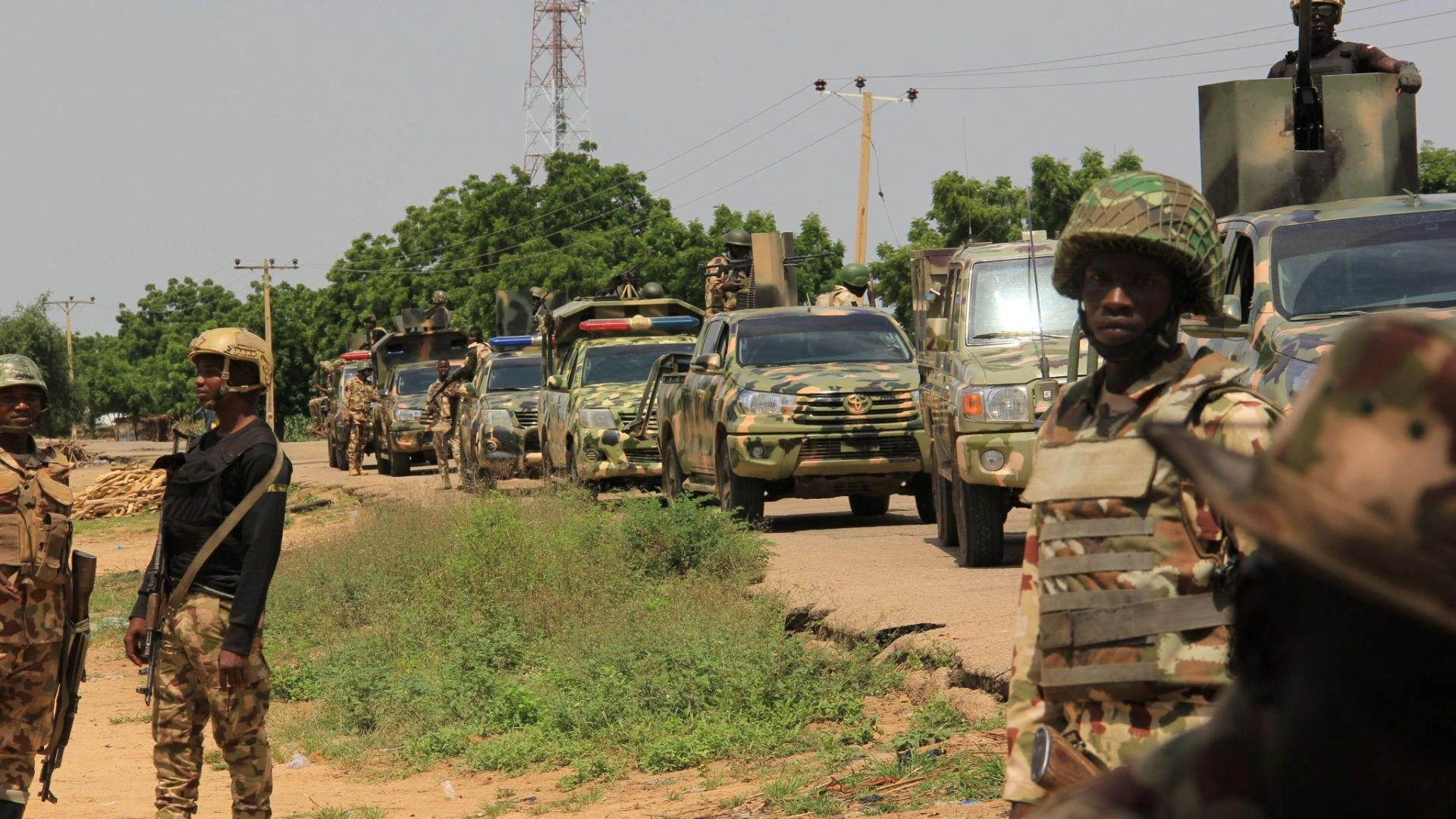
By Lawal Farouq
A recent West Africa Security Retreat has warned that lasting peace will come not from firepower but from accountable institutions, resilient governance and the trust of citizens.
West Africa has been fighting insecurity for decades, yet the region remains trapped in a cycle of violence. Extremist groups regroup after defeats, criminal networks adapt faster than governments and communities liberated by force relapse into instability.
The retreat, which held in Ilisan-Remo, Ogun State, was not another ceremonial gathering. Convened by the Amandla Institute for Policy and Leadership Advancement in partnership with the Open Society Foundations, it was a sober reckoning.
The answer that emerged was both simple and profound: military strength remains indispensable, but it cannot by itself deliver lasting stability. Peace will endure only when governments build institutions that citizens trust, deliver justice and opportunity, and restore confidence in the state. For too long, West Africa has approached insecurity primarily as a military challenge. Troops are deployed; defence budgets expanded and sophisticated weapons procured. These responses are necessary, but battlefield victories rarely translate into durable peace.
The discussions reinforced another reality that policymakers can no longer afford to ignore: insecurity flourishes where governance fails. Equally compelling was the argument that intelligence must evolve beyond reacting to attacks. Increasingly, success should be measured not by how effectively governments respond after violence occurs but by how consistently they prevent it.

West Africa is hardly lacking in institutions. ECOWAS has established early warning systems, peace frameworks and collective response mechanisms over many years. The greater challenge has been inconsistent implementation, inadequate financing and wavering political commitment.
The Dialogue also exposed another uncomfortable reality. The region’s strategic environment is changing rapidly. Terrorism, organised crime and illicit trafficking recognise neither borders nor political disagreements.
Modern conflicts are fought not only on battlefields but also in the information space. Winning public trust therefore requires credible, transparent and consistent communication. Perhaps, the Dialogue’s greatest contribution was its insistence that security should ultimately be measured by human outcomes rather than military statistics. The Amandla Dialogue did not produce dramatic declarations; it reminded policymakers that armies may reclaim territory, but only effective institutions can secure peace.
West Africa cannot shoot its way to peace. It must govern its way there. Military strength will remain essential, but lasting stability will depend just as much on accountable governance, resilient institutions, economic opportunity and the confidence citizens place in the state.
*Farouq, a lawyer works with Deji Adeyanju & Co. Abuja.

