
 Get Guardian on Google
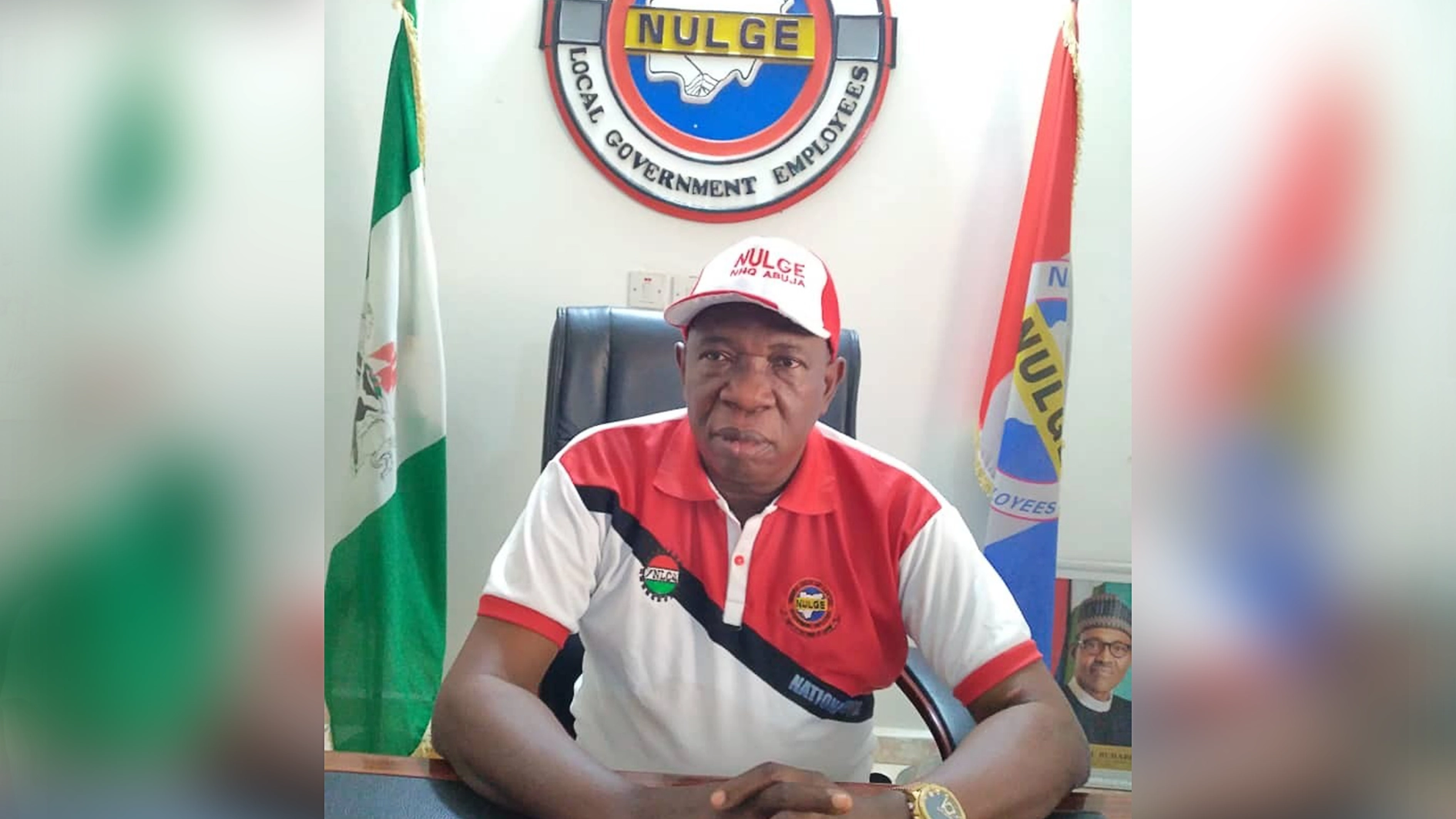
Former President of the Nigeria Union of Local Government Employees (NULGE), Akeem Ambali, has accused successive governments of undermining grassroots administration, saying local governments have failed to deliver essential services despite the Supreme Court judgment granting them financial autonomy.Ambali said failure to implement the judgment had weakened the ability of local councils to fulfil their constitutional responsibilities, warning that meaningful development would remain difficult unless the third tier of government was allowed to operate independently.
He spoke during an interview on Frontline, a current affairs programme on Eagle 102.5 FM, Ilese-Ijebu, where he examined the challenges facing local government administration and urged political leaders to implement the Supreme Court’s decision.Describing local government as the neighbourhood tier of administration, Ambali said councils were closest to ordinary Nigerians and should serve as the first point of contact for basic public services.
He said the absence of effective local councils had widened the gap between government policies and the communities they were designed to benefit, particularly in rural areas where residents have limited access to state and federal authorities.Ambali commended President Bola Tinubu for pursuing local government autonomy, recalling that the issue featured prominently in his political commitments before assuming office.
He said Tinubu had adopted a different approach to achieving the objective, culminating in a Supreme Court judgment affirming the financial autonomy of local governments.The former NULGE president also credited the President with creating additional local council development areas to bring governance closer to communities.
He, however, questioned why the legal victory had not translated into visible improvements in grassroots administration.“Out of his love for local government, he even created LCDAs to make sure services reach the people and governance reaches the grassroots,” Ambali said.
He argued that the Supreme Court judgment should not be treated merely as a political achievement but implemented to enable councils to discharge their responsibilities without undue interference from state governments.“The issue of local government, which is the neighbourhood government that’s supposed to service the grassroots and make the impact of the Tinubu administration more positive, is missing in action,” he said.

Ambali maintained that the judgment was binding and warned against allowing political considerations to undermine the legal position established by the apex court.“The Supreme Court is not a final court. Its judgments are finality in themselves. You can only appeal to God Almighty. Anybody that is doing something against it is liable, is criminal, and can be tried anytime, even after office,” he said.
The former labour leader urged Nigerians to make the implementation of local government autonomy a major consideration when assessing political parties and candidates ahead of the 2027 general election.He said voters should demand clear commitments on restoring functional local councils rather than rely on political promises and campaign slogans.
“So, Nigerians, what we are supposed to be asking whoever is coming, apart from the three I’ve mentioned, is: where is our local government? Or, simply put, implementation of the Supreme Court judgment,” he said.Ambali said the performance of local governments should be assessed by the services they provide to residents, not merely by administrative activities within council secretariats.
He called for greater accountability and a functional grassroots governance system capable of addressing the everyday needs of communities.