 Follow Us on Google News


 Follow Us on Google Discover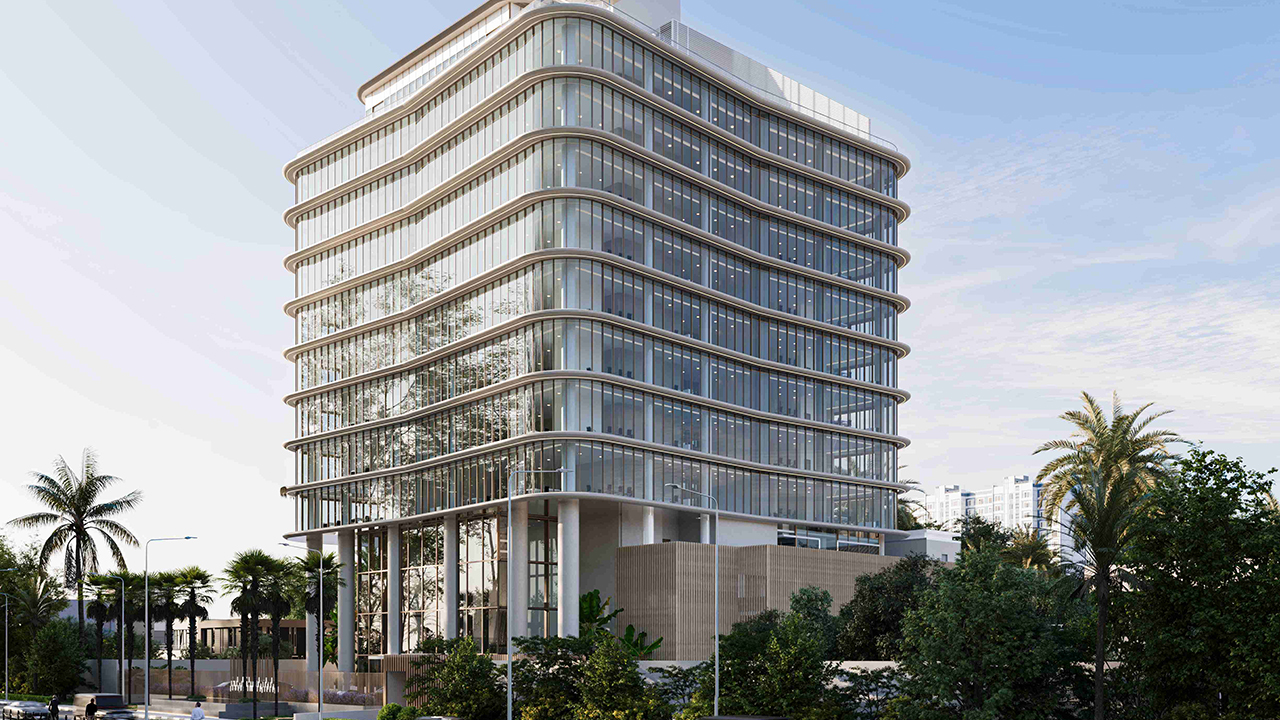

Africa is undergoing an architectural renaissance that is reshaping the continent’s urban landscapes and redefining the workplace. This new era is marked by the rise of world-class office buildings that serve not only as physical spaces but also as symbols of progress, innovation, and Africa’s burgeoning potential on the global stage. These structures are pivotal in driving economic growth, attracting international investment, and fostering a culture of excellence across the continent.
[ad]
The Evolution of African Architecture: A Brief History
Africa’s architectural history is as diverse and rich as its cultural heritage. From ancient stone structures that have endured the test of time to modern marvels that reflect cutting-edge design, African architecture has always been deeply influenced by environmental factors such as natural resources, climate, and vegetation.
According to Britannica, the continent’s architectural evolution is evident in early structures like the stone-walled kraals of Sotho and Tswana settlements in South Africa and Botswana, and the stone-lined pit circles in Zimbabwe. These early forms laid the foundation for the remarkable architectural feats we witness today.
As Africa urbanised in the 20th century, its architectural landscape transformed, driven by economic growth and increased global interactions. Traditional stone farmhouses in Eritrea and Sudan, and the square stone houses built by the Tuareg in Niger, are examples of how indigenous designs adapted to modern needs, paving the way for contemporary developments.
The Emergence of World-Class Office Buildings
Today, Africa’s skylines feature office buildings that rival those in any major global city. These structures are meticulously designed to inspire creativity, foster collaboration, and promote sustainability.
A prime example of this trend is The Pantheon, West Africa’s most stunning and advanced commercial development, located in the heart of Lagos, Nigeria.
Valued at approximately $100 million, The Pantheon is more than just an office building; it is a statement of financial and architectural prowess. It not only outperforms local alternatives but also competes on an international level in terms of quality, sustainability, and innovative features.
[ad]
The Pantheon epitomises architectural excellence, seamlessly blending form and function to create an environment that enhances both productivity and well-being.
Architectural Innovation and Design
The Pantheon stands out for its innovative design and state-of-the-art facilities, setting new standards in Africa’s real estate sector. Its striking architectural design is a testament to the vision of its developers, who have crafted a space that is both aesthetically pleasing and functionally superior. Every aspect of the building, from its flexible office spaces to its world-class amenities, is designed to cater to the diverse needs of modern businesses.

This commitment to innovation is evident in the building’s emphasis on sustainability. The Pantheon’s low energy credentials, superior connectivity, and ease of access make it a model of efficiency and a benchmark for future developments. These features are not just about reducing environmental impact; they are about creating spaces that are healthier, more comfortable, and more conducive to long-term productivity.
Financial Strength and Economic Impact
The Pantheon is not only an architectural marvel but also a symbol of Tengen Properties’ financial strength. As a renowned partner in real estate development, Tengen has a proven track record of delivering projects that combine luxury with practicality. The Pantheon is no exception, offering tailored office solutions that meet the unique needs of businesses while standing as a beacon of financial stability in the region.
The economic impact of such developments is significant. World-class office buildings like The Pantheon attract international businesses, create jobs, and stimulate local economies. They serve as hubs of innovation and investment, where global companies can establish a presence in Africa’s rapidly growing markets. According to a report by the African Development Bank, Africa’s urban population is expected to reach 1.4 billion by 2040, making it the fastest urbanising continent in the world. This rapid growth creates a demand for new, high-quality office spaces, and developments like The Pantheon are meeting this demand head-on.
[ad]
Fostering a Culture of Excellence
Beyond their economic and financial significance, these buildings are fostering a culture of excellence across Africa. They challenge local developers to raise their standards and compete globally, driving innovation in the architectural and construction industries. The attention to detail in these buildings, from material selection to technology integration, reflects a commitment to creating spaces that are not only functional but also inspiring.
The Pantheon, for example, offers more than just office space; it provides a holistic environment where businesses can thrive. Its design prioritises the well-being of its occupants, with features such as Café THEO—a captivating oasis offering a unique blend of culinary delights and an inspiring atmosphere. These amenities are not just add-ons; they are integral to creating a workspace that enhances productivity and quality of life.
A Timeless Legacy in the Making
As Africa continues to grow and evolve, the demand for world-class office buildings will rise, driven by the continent’s expanding economy, increasing urbanisation, and the need for sustainable development. Developers like Tengen Properties Limited will continue to play a crucial role in this transformation, setting new benchmarks for architectural and financial excellence.
In conclusion, the rise of world-class office buildings in Africa is more than just a trend; it is a testament to the continent’s ambition and potential. These structures are laying the foundation for a new era—one marked by timeless legacy, innovation, and a commitment to excellence. As Africa continues its journey of transformation, buildings like The Pantheon will shape its future, driving economic growth and fostering a culture of excellence that will resonate for generations to come.
[ad]

