
 Get Guardian on Google
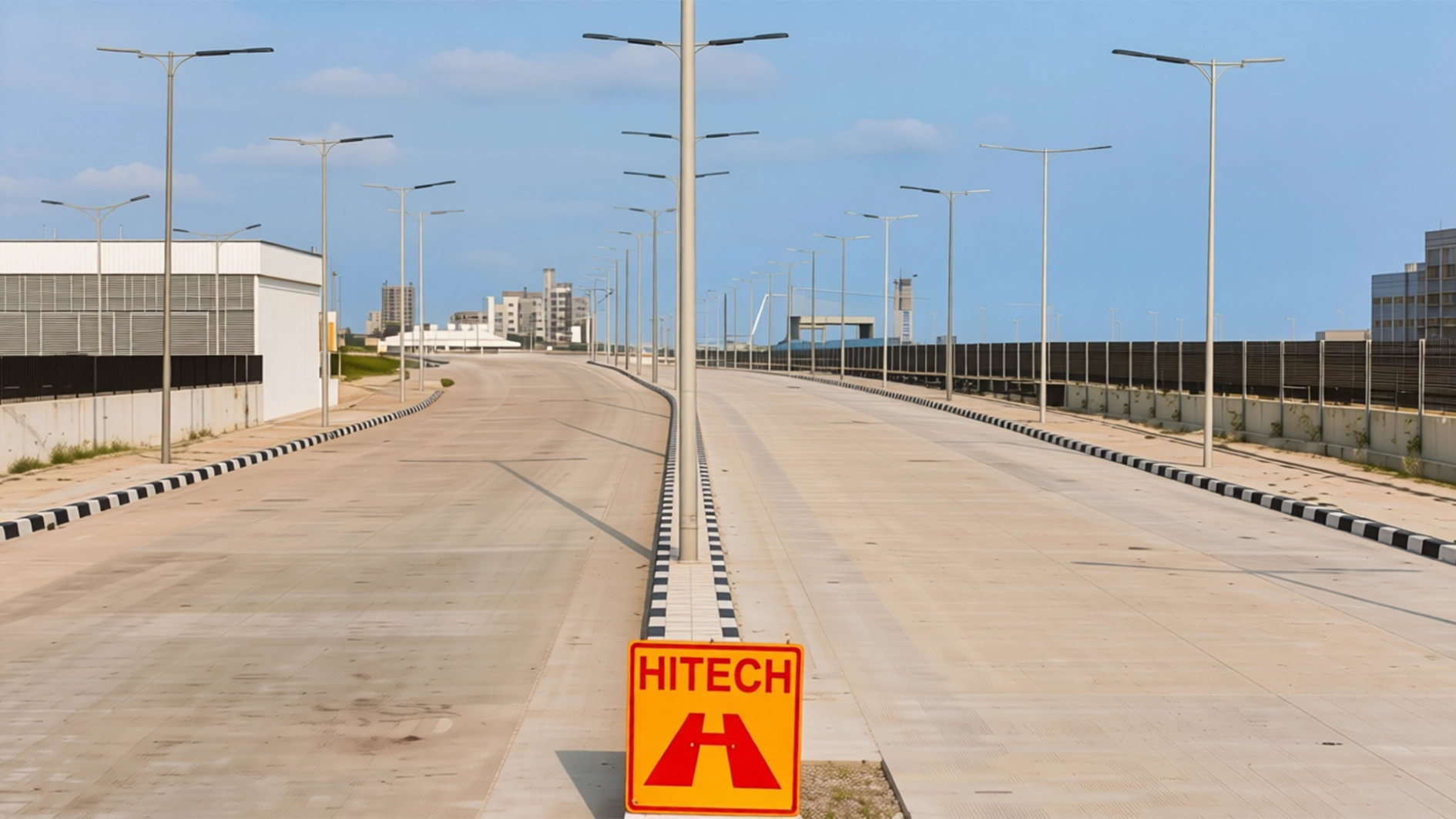
Property developers are projecting a surge in luxury residential property values along the Atlantic shoreline, driven by the ongoing Lagos-Calabar Coastal Highway project.
The emerging coastal corridor, they believe, could become a major destination for high-end residential developments, potentially challenging Victoria Island’s longstanding dominance in Lagos’ premium property market.
The highway, designed to improve connectivity along Nigeria’s coastline, is expected to open up previously inaccessible locations, reduce travel time and attract fresh investments in residential, commercial and hospitality developments. Developers are increasingly looking towards the coastal stretch, anticipating that improved infrastructure could transform its property market and create new opportunities for luxury housing.
The expectation is already shaping investment decisions around the Lagos coastline, where developers are positioning luxury residential projects to benefit from improved road access and anticipated commercial activity.
Palton Morgan Holdings is among the developers banking on the potential of the corridor. Speaking during a tour of its Paramount Twin Towers project in Oniru, Lagos, the company’s Chief Marketing Officer, Ikechukwu Ugwu, described the area as Lagos’ “new Victoria Island”.
The company has already begun a flagship project, Paramount Twin Towers, a 13-storey residential development comprising two towers on the Oniru Waterfront, within the corridor. The project is being developed by Grenadines Homes, a subsidiary of Palton Morgan Holdings and completion is expected in 2027.

However, the extent to which the coastal highway will translate into higher property values and sustained demand remains uncertain, particularly as construction progresses and the wider economic benefits of the project are yet to be established.
Ugwu said construction of Paramount Twin Towers began before the coastal highway was announced. He explained that the emergence of the road project prompted developers in the area to pause and assess the government’s plans before proceeding with their investments.
He said the highway had since improved the area’s accessibility and attractiveness, adding that its anticipated impact extended beyond individual developments to other properties along the corridor. The prices reflect the premium segment the developer is targeting. Ugwu said two-bedroom apartments in the development were being offered at N858 million each, while penthouses were priced at N8.4 billion.
The optimism comes amid rising prices in Nigeria’s high-end residential property market. Citing a 2026 report by Agusto & Co, the company’s Brand Marketing Manager, Oludara Ogunbowale, said the average price of a two-bedroom premium apartment increased from about N120 million in 2024 to N190 million in 2026.
She also put yearly property price appreciation in Nigeria at between 25 and 45 per cent, while prices in Abuja rose by between 15 and 45 per cent, depending on location.
Despite rising prices, Ogunbowale said demand for luxury homes remained relatively strong, driven largely by high-net-worth individuals in Nigeria and the diaspora.
She acknowledged that inflation and higher construction costs had affected purchasing decisions but said wealthy buyers continued to regard real estate as a store of value amid economic uncertainty.
According to her, investors in the segment are more concerned about long-term capital appreciation and potential rental income than immediate market pressures. She said prime land and luxury residential properties remained attractive to investors seeking to preserve wealth against inflation and currency depreciation.
However, the company’s assessment largely reflects activity in the high-end segment of the market, where buyers have greater financial capacity. It does not address the constraints facing middle-income earners, including high property prices, expensive credit and limited access to mortgage financing.