 Follow Us on Google News


 Follow Us on Google Discover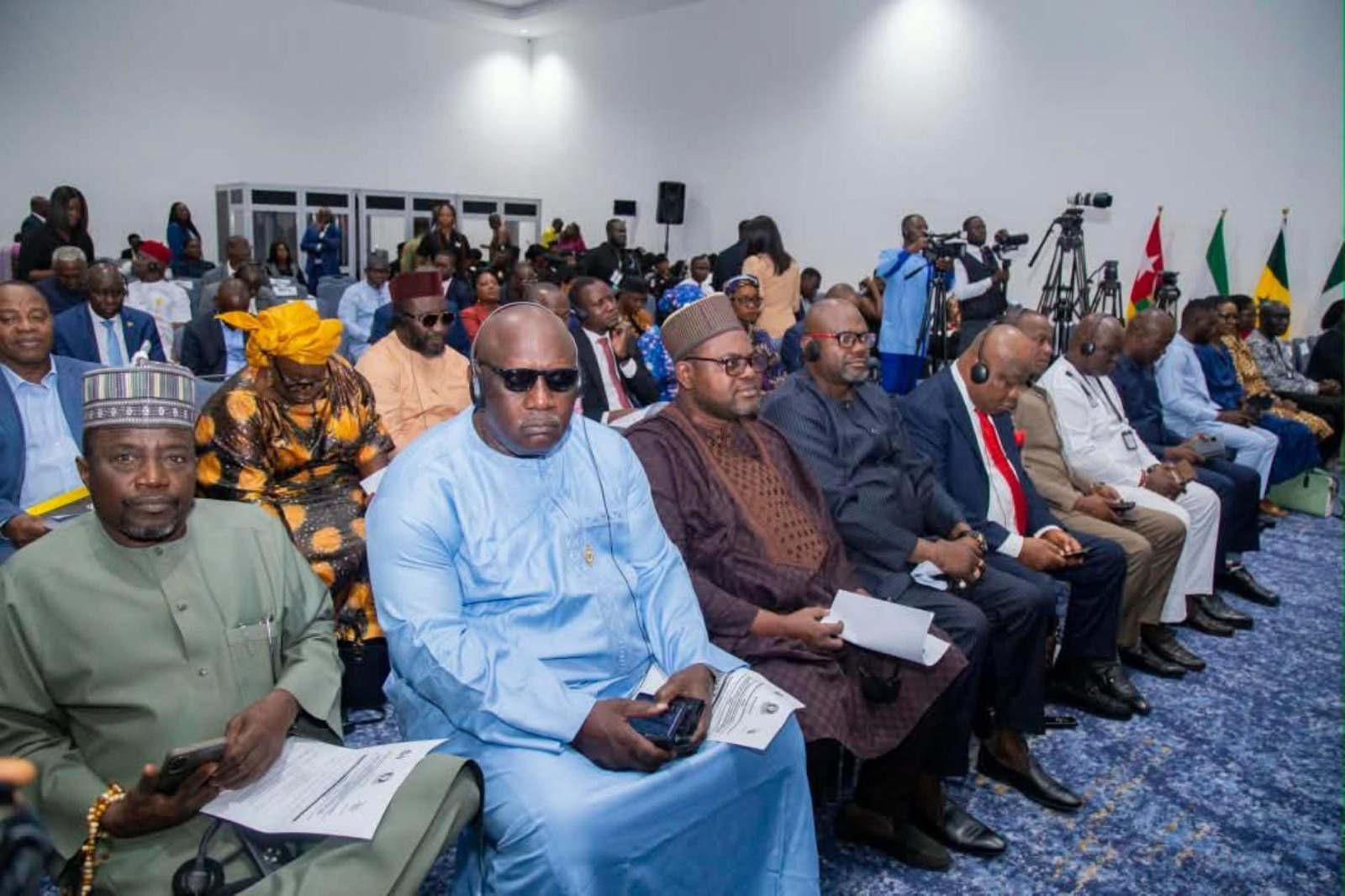
The Economic Community of West African States (ECOWAS) has warned that over 32 million people across the region might be displaced by climate change and its attendant environmental degradation and insecurity.
This came as experts from environmental and financial sectors gathered at the Second Extraordinary Session of the ECOWAS Parliament and a seminar on climate change, environmental degradation, population displacement and growing insecurity in the ECOWAS region, held in Accra, Ghana.
Regional lawmakers united in examining the nexus between climate change, population displacement and rising insecurity.
Representing the President of the ECOWAS Commission, General Birame Diop, the Commissioner for Human Development and Social Affairs, Professor Nassirou Bako-Arifari, feared that over 32 million people were displaced in 2024 as a result of natural disasters linked to climate change.
According to him, over seven million people were affected by flooding during the same period, with homes, roads, schools, health facilities, farmlands and other infrastructure destroyed.
“Between 2025 and 2026, the combined effects of climate change and other sources of insecurity and vulnerability resulted in more than 12 million internally displaced people across West and Central Africa, with women and children accounting for 80 per cent of the figure.
“Climate change is not simply an environmental issue. It is a development issue, humanitarian, peace, security and ultimately, human survival and regional stability issue”, he said.
The ECOWAS official also cited the World Bank’s prediction that the number of internally displaced people in the sub-region could reach 32 million by 2050 due to the combined effects of climate change.
He therefore urged ECOWAS member states to move from fragmented responses to a comprehensive regional climate-resilience and human-security agenda.
“We must be proactive and invest in resilience before crises occur. The region must protect ecosystems, create livelihoods and address grievances before they develop into conflict.
President Diop added that the region also faces a major climate-financing gap, with an estimated $294 billion needed to address climate financing requirements.
“ECOWAS has since 2024 been working towards establishing a regional carbon market platform under Article 6 of the Paris Agreement as part of efforts to mobilise investment for climate action.”
To address the issue, he urged parliamentarians to strengthen climate-responsive legislation and oversight that will promote prioritised climate financing, improved early-warning and early-action systems and promotion of sustainable management of land, water, forests and fisheries.

Diop equally charged national governments to place young people and women at the centre of climate resilience, describing them as innovators, entrepreneurs, community leaders and agents of resilience.
Also speaking, Ghanaian President John Rahmanu-Mahama, represented by the Vice-President, Professor Jane Apoku-Agyemang, said that member states must develop coordinated responses that address both the immediate effects and underlying causes of the crises.
She said the interconnected nature of the challenges required unified action, including stronger early-warning systems, better support for host communities and improved coordination across borders.
He said: “We need stronger early warnings, better support for host communities, more resilient livelihoods and better coordination across our borders, acting before local pressures become wider humanitarian crises.”
The President said climate change should be treated not only as an environmental issue but also as a development and security challenge.
Citing population displacement across the Sahel and neighbouring coastal states, he noted that insecurity, environmental stress and disrupted livelihoods in one part of West Africa increasingly put pressure on communities and national systems elsewhere.
He said Ghana is working with ECOWAS to strengthen early warning through improved data sharing, closer coordination and stronger links between national and regional response systems, and called for greater efforts to secure climate finance and invest in resilient agriculture, water management, coastal protection and clean energy.
The President informed that ECOWAS already had important frameworks covering free movement, disaster risk reduction, climate action and early warning, but stressed that the priority was to ensure they were fully implemented and properly resourced.
The Speaker, ECOWAS Parliament, Hon Memounatou Ibrahim, declaring the session open, said climate change is increasingly affecting forests, coastlines and livelihoods while contributing to population displacement.
She warned that regional and national climate commitments can only be significant when translated into budgets, legislation and concrete action.
“Our role is to ensure that public policy and budgets devoted to climate resilience are created in order to contain also the humanitarian dimensions, economic, social, migratory and security concerns,” she said.
Describing the recent flooding along the region’s coastline as evidence of the interconnected nature of climate, humanitarian and security challenges, she called for practical recommendations to protect vulnerable populations and prevent conflict.
Ghanaian Parliament also urged ECOWAS member states to strengthen legislation on environmental governance, climate adaptation, disaster preparedness and natural-resource management.
It called for greater protection for displaced people, refugees and host communities, canvassing investment in opportunities for young people and women in climate-smart agriculture, renewable energy and entrepreneurship.
The Second Deputy Speaker of the Ghanaian Parliament, Mr Andrew Asiamah, who represented the Speaker, stressed that no ECOWAS member state can tackle the challenges alone, noting that rivers, ecosystems and environmental crimes cross national borders.
He also warned that regional responses would require adequate financing, as policies without sufficient resources would remain largely aspirational.
The Head of the Ghanaian Delegation to the ECOWAS Parliament, Mr Kweku Ricketts-Hagan, explained that the Parliament had an important role to play in bringing solutions to the issues of climate change and insecurity since they were closer to the people and called for a coordinated and holistic approach in addressing the challenges.

