 Follow Us on Google News


 Follow Us on Google Discover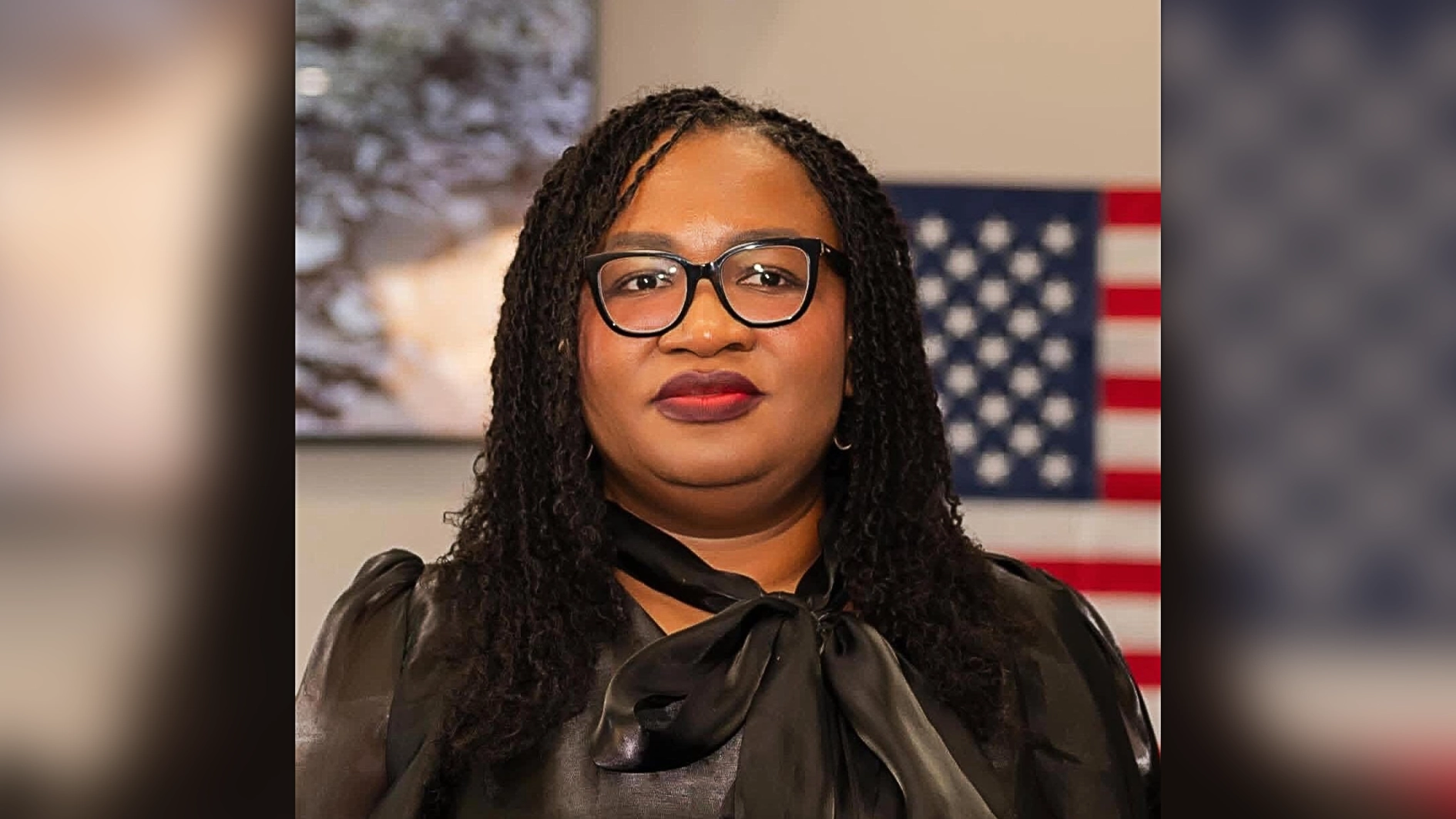
Chief Executive Officer of Winhomes Global Services Limited, Engr. Stella Okengwu, has renewed her call for compensation for properties affected by the Lagos-Calabar Coastal Highway project, warning that the handling of the road realignment could undermine investor confidence in Nigeria.
Okengwu, whose company’s estate was affected by the highway construction, said the road was routed through the middle of the estate, resulting in the destruction of properties and significant financial losses.
“Our property was affected and they came to our estate and passed at the middle of the estate, thereby destroying a lot of properties that we have there,” she said.
Speaking during a television interview on Wednesday following the controversy surrounding the highway’s realignment, she said she had been seeking compensation for the destroyed properties and presidential authorisation to resume work on the remaining portion of the estate.
“We have been soliciting for compensation on the ones that they have destroyed and also to give us a presidential order for us to start working on the other land that is remaining,” she said.
The global entrepreneur said efforts to resolve the dispute had been hampered by bureaucratic challenges at the Federal Ministry of Works, although the Presidency had recently opened a channel of communication with the affected investors.

“There’s a lot of bureaucracy from the Minister of Works,” she said, describing the Presidency’s intervention as “a breath of fresh air”.
She expressed hope that the engagement would lead to a resolution, although she described the experience of investing in Nigeria as traumatic.
“The traumatic experience that we had coming back to Nigeria to invest is something that I don’t even know how to explain,” she said.
Okengwu explained that the estate project was financed partly through loans obtained in the United States, including borrowing through her company, Stoke and Calwell LLC, as well as commercial bank facilities used to bring funds into Nigeria for the development.
She said the financial consequences of the dispute had forced her to sell some assets to meet repayment obligations and other commitments.
“We are paying a heavy loan with heavy interest in the United States. If not, the United States is not a place where banks will come and arrest you as long as you’re making payments; we have to liquidate some of our assets to make some payments and also pay some people,” she added.
The Winhomes boss, who has consistently advocated increased investment by Nigerians in the diaspora, warned that the controversy could discourage prospective investors from bringing their capital into the country.
She said she had invested considerable time encouraging Nigerians abroad to invest at home but believed the handling of the coastal highway project had damaged the country’s investment image.
“The minister really demarketed Nigeria. “I know a lot of people that say that they cannot come to Nigeria to invest again. We had to go to London; we went to Australia, trying to get Nigerians back. And this is what I’ve been so passionate about.”
She also questioned the technical justification for diverting the highway inland, insisting that an environmental impact assessment should have been properly conducted before construction began.
“The first thing you have to think about is the environmental impact assessment. We have been talking about this,” she said, adding that she had raised the issue during stakeholder engagements but was not given sufficient opportunity to present her concerns.
According to her, the minister had shut her down when she raised the matter at a stakeholder meeting.
Okengwu further disputed the explanation that her company’s property was affected by the location of a marine cable, arguing that the cable’s landing station was approximately eight kilometres from the estate.
“I told him, I said, will you… you went to tell the President that our property is on marine cable. I said marine cable cannot be inland. The property is 750 metres inland, and marine is a submarine. It cannot survive on inland. The landing station is eight kilometres away from our property,” she said.
She alleged that the alignment was changed to favour certain interests, resulting in the highway passing through her company’s estate.
Okengwu also questioned claims that the Presidency had directed the realignment, saying, “There is no Presidency that told Engineer David to reallocate.”
She called on the Federal Government to address the matter and ensure that officials did not invoke the Presidency’s name to justify decisions she considered improper.
“It’s high time that the Federal Government or the President should come out and tell these people that work with them not to be using the Presidency’s name to hide their impunity,” she said.
The entrepreneur further alleged that the minister’s handling of the matter had negatively affected Nigeria’s image among foreign investors, adding that the dispute had taken a toll on her personally.
“I know how many times that I landed in the hospital because of this,” she said.
Okengwu maintained that while the government had the authority to acquire private property in the overriding public interest, such action must follow due process and provide appropriate compensation.
“I’m not saying that the government does not have overriding public interest to take any property, but they should do it legally,” she said.
She added, “The only remedy we have now is to pay compensation to the affected individuals.”
Okengwu urged the Presidency to intervene and facilitate a resolution, including a meeting between the minister and representatives of the affected company.
She expressed hope that the intervention would lead to a fair outcome, stressing that protecting investors’ interests was essential to sustaining confidence in Nigeria’s economy.
“We are here trying to protect the image of Nigeria, and the people that are supposed to protect it, they are not protecting it,” she said.
The diaspora investor called for the dispute to be resolved through compensation and constructive engagement, arguing that the outcome would have implications for the confidence of Nigerians in the diaspora and other investors considering bringing capital into the country.

