 Follow Us on Google News
 Follow Us on Google Discover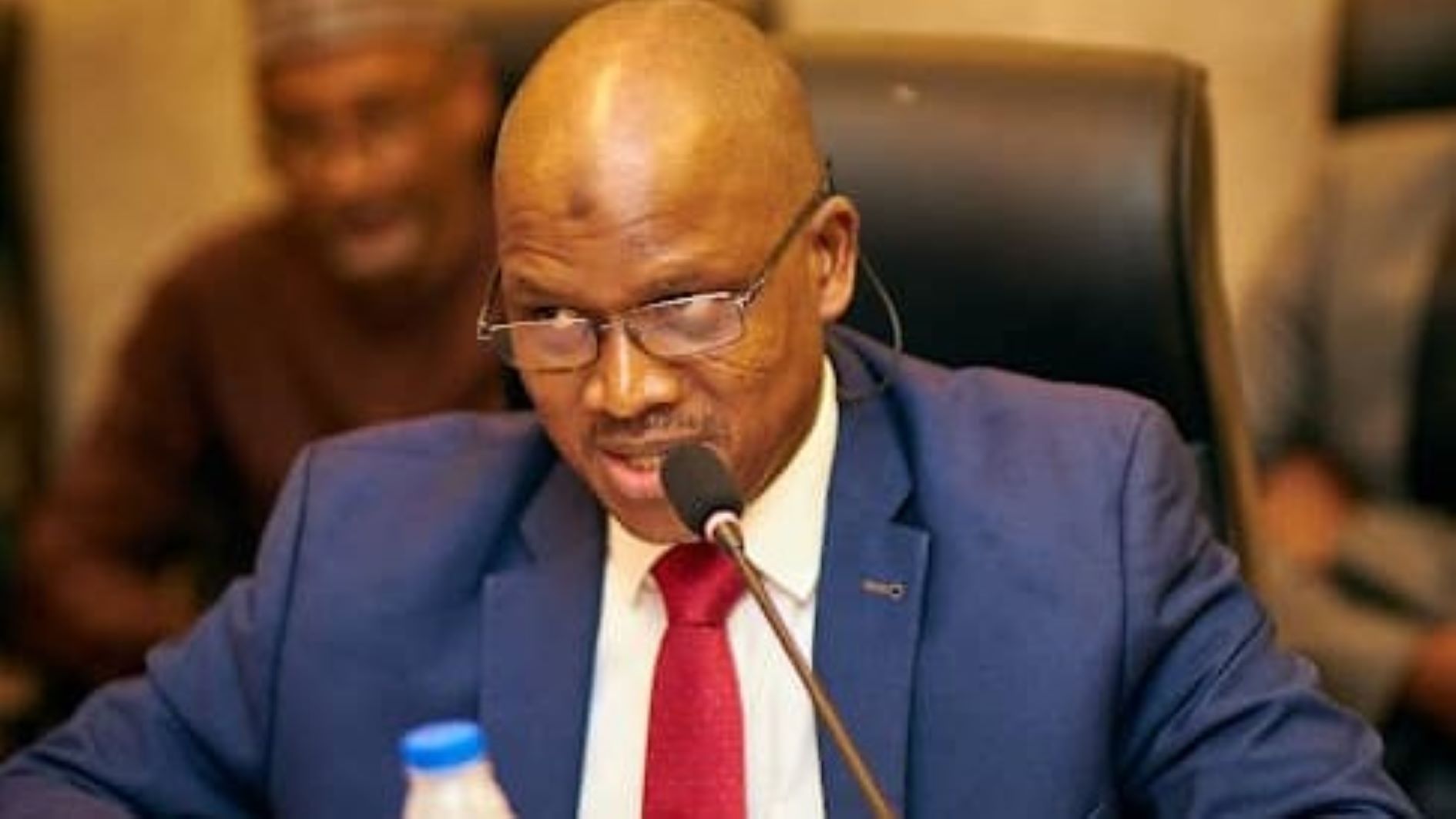
Experts have called on political leaders to implement policies and programmes that will empower women in the housing and construction industry to thrive and contribute meaningfully to economic development.
They stressed that empowering women in the sector is critical to addressing Africa’s housing deficit and driving inclusive economic growth.
The experts, who spoke at the maiden edition of the Africa Women in Housing and Construction Conference and Business Expo in Abuja, lamented that women continue to face significant barriers despite their increasing participation in fields such as architecture, engineering, construction, urban planning, and real estate development.
Speaking at the event, the Managing Director/Chief Executive of the Federal Mortgage Bank of Nigeria (FMBN), Mr Shehu Osidi, emphasised the need for stronger policies and partnerships to boost women’s participation in housing and construction for sustainable development.
He noted that women have made notable progress in the workplace over the past decade, particularly through increased participation in corporate leadership, entrepreneurship, and science-based professions.
Represented by the Group Head, Corporate Communications, Jadesola Gbago, Osidi observed that redefining the workplace requires dismantling barriers that limit women’s access to opportunities in the real estate industry.

According to him, women, including architects, engineers, artisans, developers, policymakers, financiers, and community leaders, are increasingly shaping both urban and rural communities.
He acknowledged that many construction sites now feature women not only as artisans but also in key roles such as on-site supervisors and technical professionals.
Osidi further noted that women are transitioning from passive investors to active developers and property managers, while more female-headed households are making key housing and investment decisions.
However, he pointed out that challenges such as gender discrimination, limited political representation, and restricted access to finance continue to hinder women’s full economic participation. He added that collaborative financing models, such as cooperative societies, are helping women overcome barriers to homeownership.
On her part, the Founder of the Africa Women in Housing and Construction (AWHC), Flora Anne, identified key challenges facing women in the sector, including limited access to finance, constraints around land ownership, policy exclusion, and unequal professional opportunities.
She emphasised that women are not just participants in the housing and construction ecosystem but are innovators, community builders, and drivers of economic growth.
“If Africa is to close its housing deficit and build inclusive cities, women must be deliberately integrated across the entire value chain from policy formulation and project financing to design, construction, and real estate investment,” she said.
Anne also advocated gender-responsive housing policies, improved access to capital for women entrepreneurs, strengthened land ownership rights, and expanded training opportunities in technical and professional fields within the built environment.

