 Follow Us on Google News
 Follow Us on Google Discover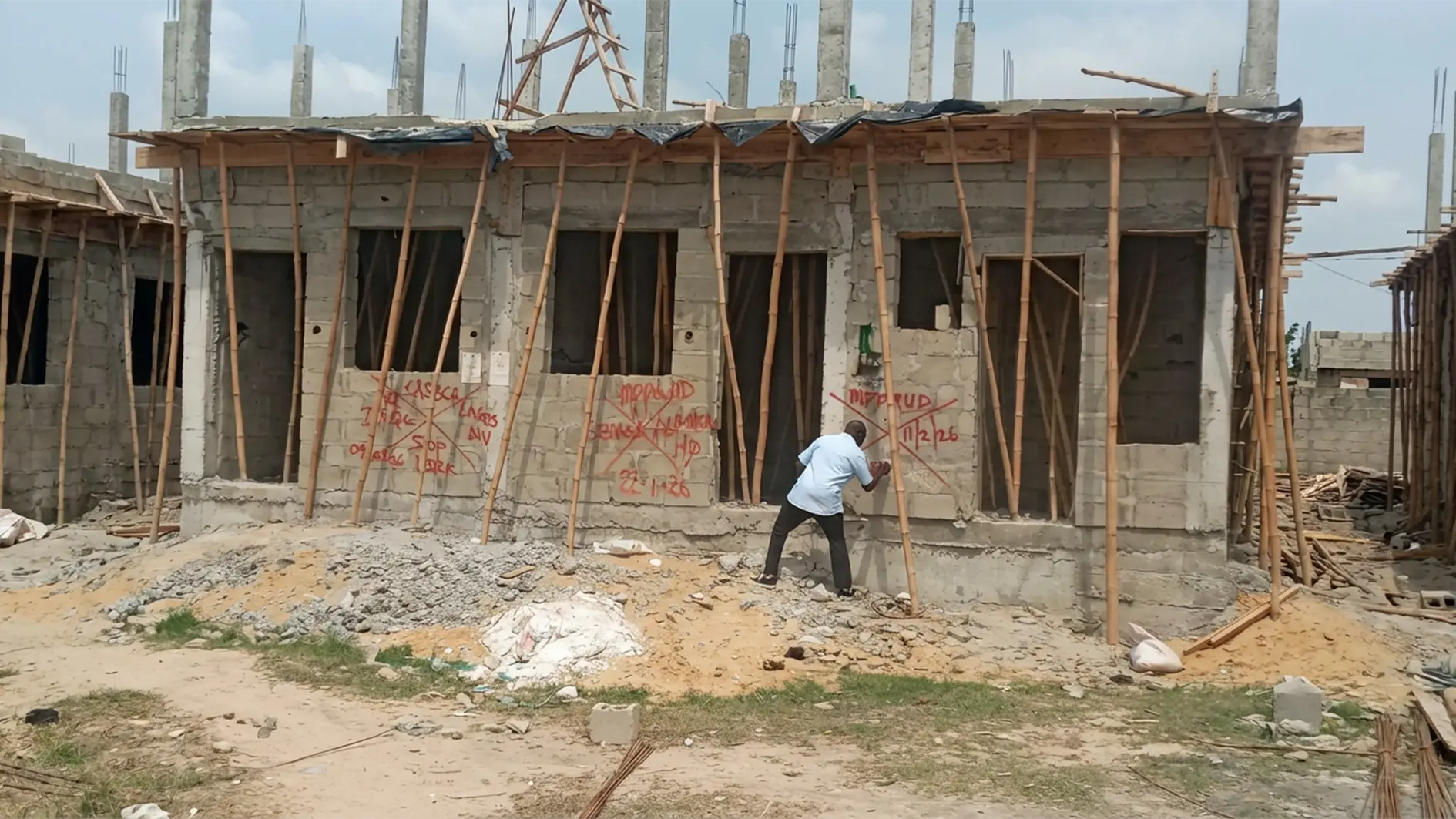
The Nathaniel Atebije Foundation for Planning Advocacy has called for greater commitment to physical planning and sustainable urban development as part of efforts to build safe, resilient and environmentally sustainable cities across the country.
The foundation made the call in a statement issued to commemorate the 2026 World Environment Day, stressing the need for governments, private sector operators and citizens to prioritise responsible environmental management and orderly urban development.
According to the foundation, rapid urbanisation across Nigeria and many developing countries has intensified environmental and infrastructural challenges, including flooding, traffic congestion, pollution, indiscriminate development, housing shortages and climate-related disasters.
In a statement signed by the Founder of the foundation, Nathaniel Atebije, the group noted that these challenges highlight the urgent need for effective physical planning as a strategic tool for environmental sustainability, economic growth and social stability.
The foundation maintained that no nation can achieve resilient and sustainable cities without deliberate adherence to sound urban and regional planning principles.
The group stated that physical planning remains one of the most effective instruments for orderly development, environmental protection, disaster risk reduction, efficient land use management and the creation of liveable human settlements.

The organisation, therefore, urged governments at all levels to strengthen planning institutions, enforce development control regulations and prioritise the preparation and implementation of functional regional, urban and local development plans.
It also called on public authorities to ensure that planning approvals and infrastructure investments are guided by qualified indigenous planning professionals with an adequate understanding of local environmental and socio-economic realities.
The foundation further appealed to corporate organisations, private developers, financial institutions and individuals to integrate physical planning principles into all development and investment initiatives.
According to the group, developments executed without proper planning guidance often result in environmental hazards, economic losses, avoidable disputes and unsustainable urban growth patterns.
The statement observed that Nigeria possesses highly trained indigenous professionals within the built environment sector whose expertise should be fully utilised in national development processes.
It stressed that engaging professional town planners and other built environment experts in project conceptualisation, site selection, environmental management and infrastructure development is not only a statutory requirement but also a strategic investment in sustainability and long-term economic prosperity.
The group further called for a comprehensive review and implementation of urban master plans and regional development plans to address the realities of rapid population growth and climate change challenges, using indigenous planning consultants.
It also urged strict enforcement of development control regulations to prevent illegal structures, encroachment on flood plains, road setbacks, green areas and utility corridors.
The foundation reiterated its commitment to promoting planning consciousness, environmental sustainability, housing advocacy and responsible urban governance through research, policy advocacy, public enlightenment and stakeholder engagement.
“We call on all citizens to become active partners in protecting our environment and building cities that are inclusive, safe, resilient and sustainable for present and future generations,” the group added.

