The Lagos State government has said that its development of new towns is now an unavoidable response to the intense population pressure, limited landmass, and overstretched infrastructure.
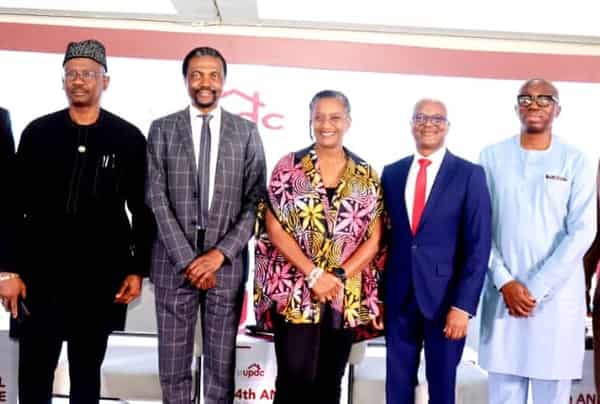
Commissioner for Physical Planning and Urban Development, Dr Oluyinka Olumide, who stated this at UPDC’s 4th yearly Real Estate Summit in Lagos, noted that the pace of Lagos’ growth has outstripped traditional city expansion models.
With an estimated 25 million residents occupying just 0.4 per cent of Nigeria’s total land area, he noted that the megacity faces a level of congestion that demands deliberate and innovative planning.
Olumide explained that Lagos, Nigeria’s smallest state by landmass but the most urbanised, continues to absorb large numbers of migrants from within and outside the country, a trend that heightens pressure on land, housing supply, transportation networks, and environmental systems.
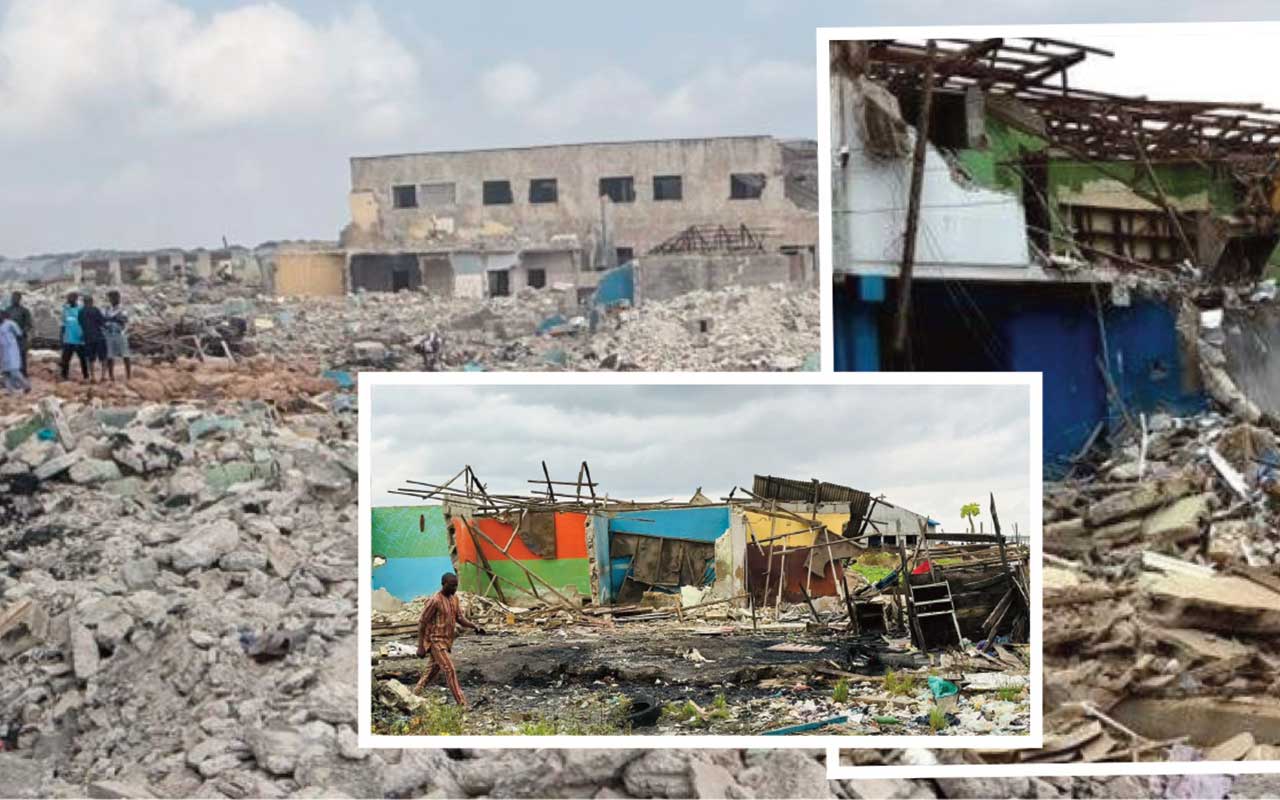
He said the concentration of people in already saturated districts has created a pattern of sprawl, uncontrolled settlements, and environmental risks that threaten long-term liveability.
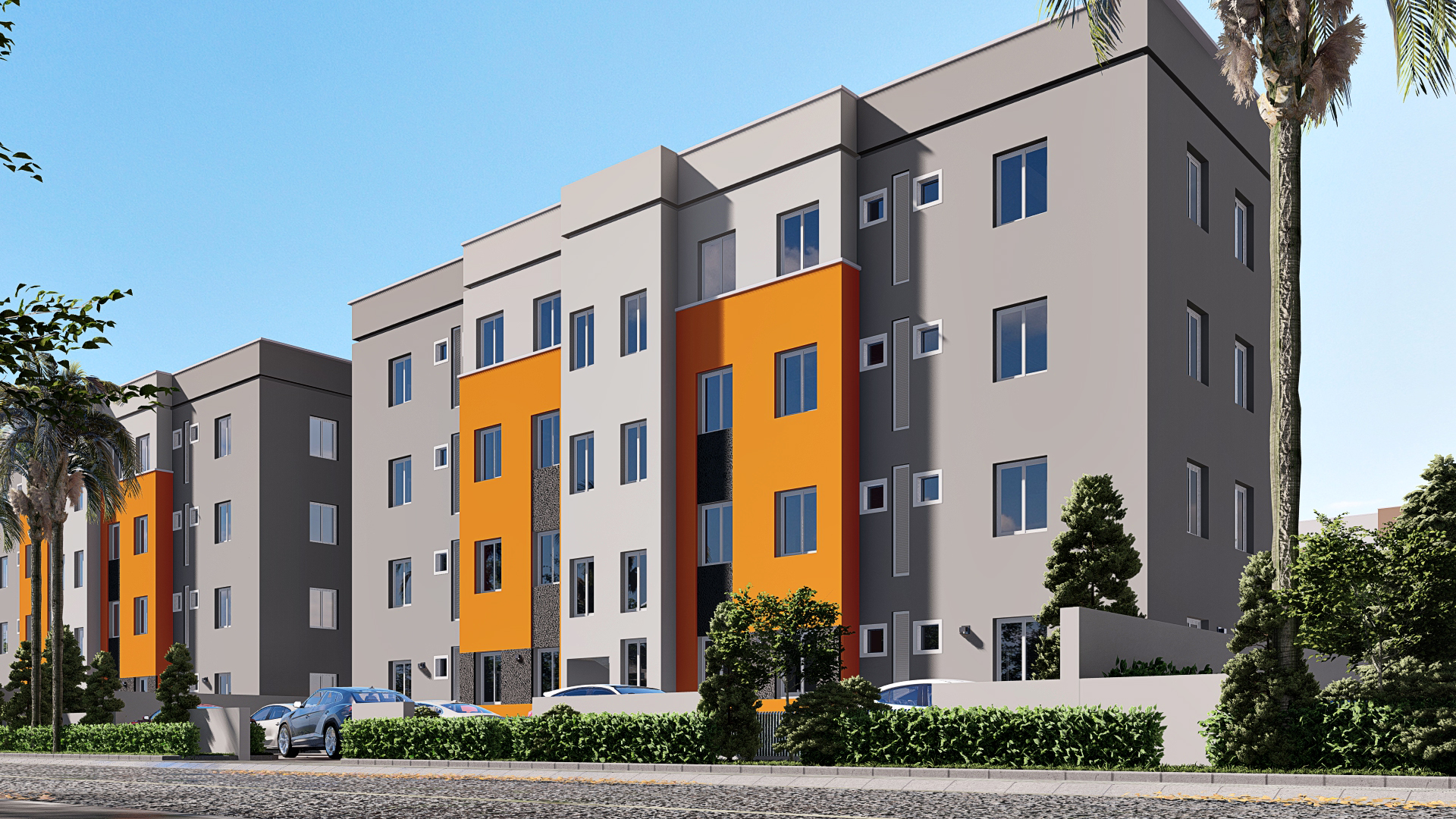
According to him, developing new towns has therefore become a central strategy for redistributing population growth and opening up less developed regions for orderly expansion. The government, he said, is updating operational development plans, expanding physical planning schemes, and collaborating with private developers to ensure emerging communities follow approved layouts instead of the haphazard patterns that have, in the past, produced slums and infrastructure deficits.
Despite ongoing efforts, the commissioner acknowledged persistent urban management challenges, including land acquisition disputes, encroachment, funding gaps, and uneven compliance with planning regulations.
He said addressing these issues is critical to delivering resilient communities and ensuring that new towns are not only well-designed on paper but also successfully implemented.
Olumide also highlighted environmental vulnerabilities as another driving force behind the new town agenda. He noted that natural drainage channels and water flow paths on Lagos Island and surrounding districts have been disrupted by human activity, leaving many communities exposed to flooding.
Creating new towns with modern drainage systems, protected corridors, and climate-resilient layouts, he said, will support the state’s wider efforts to reduce environmental risks and achieve balanced regional development.
The commissioner added that the state is also improving access to housing and essential facilities across emerging growth corridors while forging partnerships with private sector firms.
These collaborations, he said, involve negotiating compensation, managing environmental impact assessments, and coordinating actions among multiple agencies. He listed opportunities for investors in technology hubs, logistics centres, industrial parks, tourism developments, and infrastructure corridors.
“Well-planned new towns will transform communities by improving housing, infrastructure, and essential services,” he said. “We are also working with Ogun and Ondo states to strengthen regional integration that will ease the movement of people and support more balanced development.” He stressed that sustainable urbanisation depends on strong governance, community engagement, and adherence to approved development plans.
Also, a strategic management and governance expert at Lagos Business School, Prof. Franklin Ngwu, lamented Nigeria’s longstanding failure to plan for its rapidly growing population, warning that the trend poses a major threat to national development. He said new towns, designed as integrated communities that combine housing, education, transportation, commerce, leisure, and employment, offer an effective way to ease pressure on overcrowded cities.
Ngwu noted that while real estate currently contributes about 12.8 per cent to Nigeria’s GDP, the sector can deliver stronger growth with coordinated planning and large-scale developments.
Drawing from global examples, he said university towns, transport-linked suburbs, and master-planned communities have proven capable of generating jobs, expanding markets, and strengthening value chains.
He argued that Nigeria must embrace regional planning models that connect new towns across the Southwest, South-South, and Southeast, forming economic zones strong enough to lift Gross Domestic Product (GDP) growth to double digits.
He encouraged developers to adopt sustainability standards, modern technology, and transport systems that support liveable communities.
In his opening remarks, Chief Executive Officer and Managing Director of UPDC Plc, Odunayo Ojo, said the summit comes at a pivotal moment for both the country and the real estate industry.
The congestion along corridors such as the Lekki–Epe Expressway, he said, illustrates the limits of existing urban centres and underscores the need for new towns that can relieve pressure on residents and businesses.
Ojo said UPDC convened the summit to bring together experts from government and the private sector to explore how new towns can stimulate economic development and improve the quality of life.
He emphasised that Nigeria’s population growth requires innovative responses, and new towns offer a practical pathway for easing overcrowding, reducing long commutes, and expanding critical infrastructure for future generations.