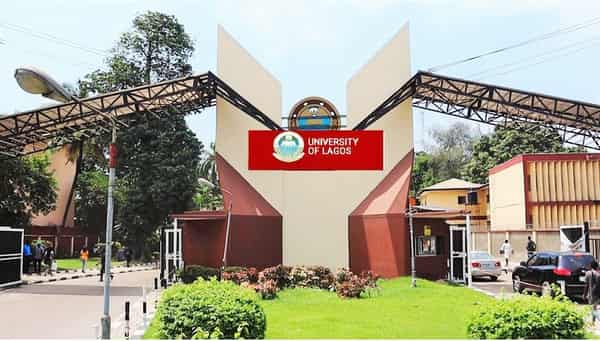
In a move aimed at strengthening capacity within Nigeria’s transport and logistics sector, the University of Lagos (UNILAG), through its Department of Urban and Regional Planning, embarked on a study field trip to understudy the country’s interstate rail system.
The academic excursion, which commenced at the Mobolaji Johnson Train Station in Ebute Metta, Lagos, is part of a professional course requirement for postgraduate students in transport and logistics.
The field trip covers gaining insight into key aspects of railway operations along the Lagos–Ibadan standard gauge corridor, with students scheduled to travel to Ibadan and return by the end of the week.
According to Associate Professor of Transport and Logistics, University of Lagos, Dr. Olayinka Agunloye, who led the delegation, the exercise is designed to expose students to practical realities in transport infrastructure and logistics systems.
“This is a compulsory course for our master’s students. We organise these field trips annually to relevant transport hubs. In previous years, we have visited the Lekki Deep Sea Port, Shell’s oil and gas logistics base, and the Free Trade Zone.
This year, our focus is on rail transport,” he said. Agunloye explained that the University of Lagos fully sponsored the students’ transportation and accommodation, demonstrating institutional commitment to building competent and industry-ready graduates in a sector considered critical to national development.
Speaking during an engagement with the students, Assistant Director, Operations, Nigerian Railway Corporation (NRC), Mr. Nanjul Wuyep, provided insights into the structure, services, and future of the national rail system.
He highlighted that Nigeria currently operates both standard and narrow gauge lines, with the standard gauge offering more stability, speed, and passenger comfort.
“Passenger trains run daily, including public holidays, while freight services move goods such as cement and containers across major commercial routes. The Lagos-Ibadan corridor is one of the busiest,” he said.
While outlining ongoing efforts to expand and modernize the network, Wuyep also identified critical challenges, including vandalism, ecological disruptions, and limited adoption of technology. He called for increased private sector participation and innovation in service delivery.
Also addressing the delegation, Senior Public Relations Officer, NRC, Samuel Oluwatoba, underscored the historical and socio-economic role of railway transport since its inception in 1898. He stated that the railway continues to foster national integration by connecting people across cultural and economic lines.
The study trip, which ended in Ibadan by Friday, provides a platform for students to apply theoretical knowledge in a real-world setting, contribute to policy research, and validate classroom studies through field experience.