 Follow Us on Google News
 Follow Us on Google Discover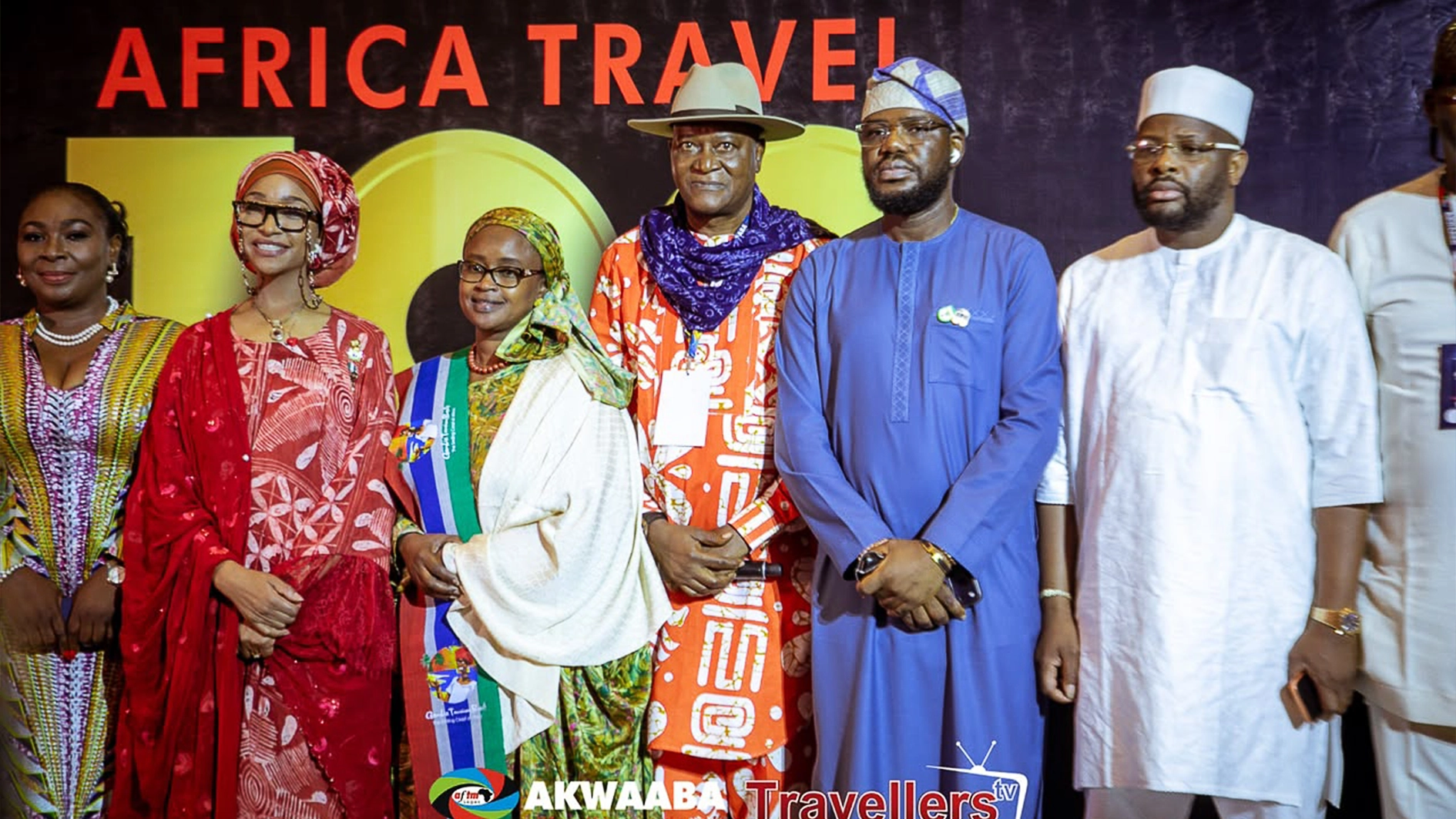
Positioning Africa through travel and tourism as a globally competitive market in order to attain dynamic economic expansion was the pivot of the 22nd Akwaaba African Travel Market which was held at the Eko Hotel & Suit during the week.
The three-day event featured experts and stakeholders from across Africa who charted the path to transforming African travel into a sustainable economic powerhouse.
The Nigeria’s Minister of Art, Culture, and the Creative Economy Hannatu Musawa who commended Ambassador Ikechi Uko, the organiser of Akwaaba Africa Travel Market for his commitment to promoting Nigeria’s travel and tourism industry during her keynote speech at the event said there is need for Africa to leverage on data, technology and infrastructure.
Musawa, who stated that effective governance and impactful advocacy are impossible without access to reliable, real-time statistics, highlighted data accuracy and technological integration as the missing links in Africa’s travel and tourism growth.
While highlighting recent national digital initiatives including unified tourism applications, designed to consolidate information on travel offerings, heritage sites, and local services across all sub-regions, Musa said by creating centralised digital hubs, destination marketers and investors gain precise insights into traveller behaviour, resource availability, and market opportunities.
According to the Minister, digital tools and robust data gathering serve as critical bridges connecting the various sub-sectors of the travel economy, from transportation and lodging to arts and culinary tourism. She said: “It is only when you know about it that you can speak with power. So, I think the real energy here is to have the knowledge and the facts. Having top-notch statistics is the key to connect different elements within the tourism sector. It is imperative for our people to key into the wider vision and the wider network that we’re working on at the national level.”
While appreciating the visitors who came into Nigeria to attend the three day event, the Minister said: “Please feel free; Nigeria is a very friendly and hospitable country. We have a lot to offer because we are the gateway into the black global community. So let’s work as one West Africa, of course Africa, and the world. The Global South is looking to us, and we are looking at tourism as the next frontier in terms of the economic expansion that we all need as individuals.”
Importance of Regional Trade Platforms
The First Lady of Lagos State, Ibijoke Sanwo-Olu who commended the organiser of Akwaaba African Travel Market Ikechi Uko noted the necessity to the expand scope of modern tourism, which has evolved far beyond traditional leisure trips into a multi-faceted industry encompassing business, gastronomy, sports, medical travel, and the creative arts.
She said: “Akwaaba had, over the years, provided a valuable platform for tourism professionals, bringing together travel operators, marketers, hospitality businesses and other stakeholders from Nigeria and across Africa. Akwaaba has helped to showcase tourism opportunities within Africa, encouraging travellers to explore destinations on the continent rather than looking only outside Africa for holiday experiences.”
While reaffirming commitment to positioning Lagos as a primary hub for business, entertainment, and cultural investment, Madam Sanwo-Olu noted that initiatives integrating local culture such as regional culinary showcases like the celebrated Akwaaba African Market “Jollof Rice War” play a vital role in preserving social history while generating tangible economic opportunities for local micro-enterprises.
She urged tourism stakeholders to create more career pathways for young people, particularly in hospitality, culinary arts, travel, events and destination marketing. “Akwaaba’s Jollof Rice War is a practical example of tourism-driven youth development, availing participants from the Lagos Boy Child Initiative to have an opportunity and a platform to build on their culinary skills. The Jollof War initiative is a celebration of Africa’s culinary heritage, diversity and creativity while giving young people an opportunity to gain practical experience in a professional culinary environment. Food is much more than nourishment. It carries our history, it tells our stories, and it connects communities and creates opportunities.”
The First Lady also called for more innovation and stronger government-industry collaboration to help Lagos attract visitors, promote African destinations and unlock tourism opportunities. “The travel, tourism and hospitality sector is an important part of Lagos’ identity, economy and global appeal. Lagos has enormous potential as a destination for business, leisure, entertainment and investment. This is why stronger collaboration between government and tourism stakeholders would help Lagos maximise the opportunities within its tourism and hospitality sector. By linking the creative arts, hospitality, and corporate travel, destination managers can build multifaceted travel ecosystems that attract continuous domestic and foreign investment.”
Private Sector on the forefront of Intra-Africa tourism inflow
On his part, the Gambia Minister of Tourism, Arts, and Culture Abdoulie Jobe who noted that the Akwaaba African Travel Market is an opportunity to showcase the potentials in Africa spoke on the necessity to increase intra African tourism inflow.
Jobe said: “I believe we have to do this in partnership with the private sector. Whenever we move as a government with our agencies, the private sector plays a pivotal role, they sit on the table and we have to do everything in partnership with them. This is because it is the private sector that makes the deals and that’s why we insist on putting them at the forefront both in planning, preparation and execution.”
Describing The Gambia as the Smiling Coast of Africa, the Minister presented a compelling case for strengthening cross-border commercial ties, specifically targeting the Nigerian market. He said: “Nigerians are good travellers and because of the population, we believe that if they know more about destination Gambia, we will have an influx of Nigerians in Gambia. This is why we urge for stronger, formalised partnerships between Gambia tourism boards and Nigerian airlines, tour operators, and hospitality brands.”
While encouraging Africans to explore neighbouring destinations not only to drive mutual economic growth but also builds long-term diplomatic and cultural resilience, Jobe said: “By facilitating easier transit, synchronised visa policies, and joint marketing campaigns, African nations can retain valuable travel capital within the continent while showcasing their shared culinary, artistic, and historical assets.”
Structure, Public Policy Intervention to eradicate Travel, Tourism Impediments
Transforming African travel into a sustainable economic powerhouse requires a fundamental overhaul of governance structures, seamless intra-African connectivity, strategic regional partnership and data-driven policymaking.
It is based on this that stakeholders in the private sector at the Akwaaba 2026 unanimously agreed on the urgent need for governments to move beyond surface-level promotional events and focus on institutionalising clear, supportive policies.
Speaking to this, the President of the Federation of Tourism Associations of Nigeria (FTAN), Aliyu Badaki during his speech at the event said that the current state of tourism in the region stems directly from a lack of coordinated, sustainable planning.
According to him, African nations cannot continue operating under archaic frameworks while expecting modern economic returns. “Unlocking the continent’s true potential demands deliberate public policy intervention, dedicated funding mechanisms, and structured collaboration between government authorities and private operators.”
Badaki also called for proper structures and stronger coordination to transform Nigeria’s tourism sector and improve the performance of tourism businesses.
According to him Nigeria’s tourism potential could contribute more to national development if the government and key stakeholders adopt new approaches instead of continuing with existing practices.
He urged the government and critical stakeholders to put proper structures in place to strengthen tourism businesses and promote Nigeria as a destination
Badaki said: “FTAN Tourism Transformation Agenda, which formed part of the platform that brought its current leadership into office, was driven by the need to change the way tourism is developed and managed in Nigeria.
“Nigeria is blessed with tourism attractions and opportunities that can contribute more to the country’s development if the sector receives the right support and coordination.”
The FTAN boss also commended Akwaaba Africa Travel Expo for reaching its 22nd consecutive edition, describing its longevity as a significant achievement. “He said the event had continued to provide a platform for tourism stakeholders from Nigeria and across West Africa to meet, exchange ideas and promote the region.

“As the umbrella body of the private sector in tourism businesses, we’ll always lend our support to Akwaaba and well-meaning people that are into such a thing like this to promote our nation and West Africa and Africa in general.”
Championing Intra-African Connectivity
The founder of the Akwaaba African Travel Market Ikechi Uko during his remark said the platform’s core mission is centred on empowering young operators, opening global market access for local travel firms, and championing intra-African connectivity.
According to Uko, Akwaaba was created as an African travel platform designed around the continent’s realities. “Akwaaba allows participants to connect more naturally, taking into consideration everyday realities such as traffic and delays.”
Uko also identified visa processing, baggage policies and payment systems among the issues the event seeks to bring into industry conversations. “Keeping discussions connected to real travel experiences are part of what makes Akwaaba relevant to both industry players and travellers.
He further said: “Akwaaba also continues to evolve by introducing new experiences each year, giving participants fresh reasons to return. For instance, the featured beauty pageant, food and cultural initiatives are some of the experiences introduced to make the travel show more engaging and distinctly African. The fashion, colours and cultural displays at the event were part of a deliberate effort to tell Africa’s story and influence how the continent is perceived”
Uko also revealed that some international participants were reluctant to travel to Nigeria because of concerns around immigration and other entry-related issues “but we ensured to create compelling reasons to make people who didn’t want to come to Nigeria come to Akwaaba.
“Akwaaba’s unique selling proposition was also built around the everyday challenges faced by travellers, rather than conferences alone. Most events build their USP around conferences, we don’t do that. We look at the pain points of the Nigerian traveller.”

