 Follow Us on Google News
 Follow Us on Google Discover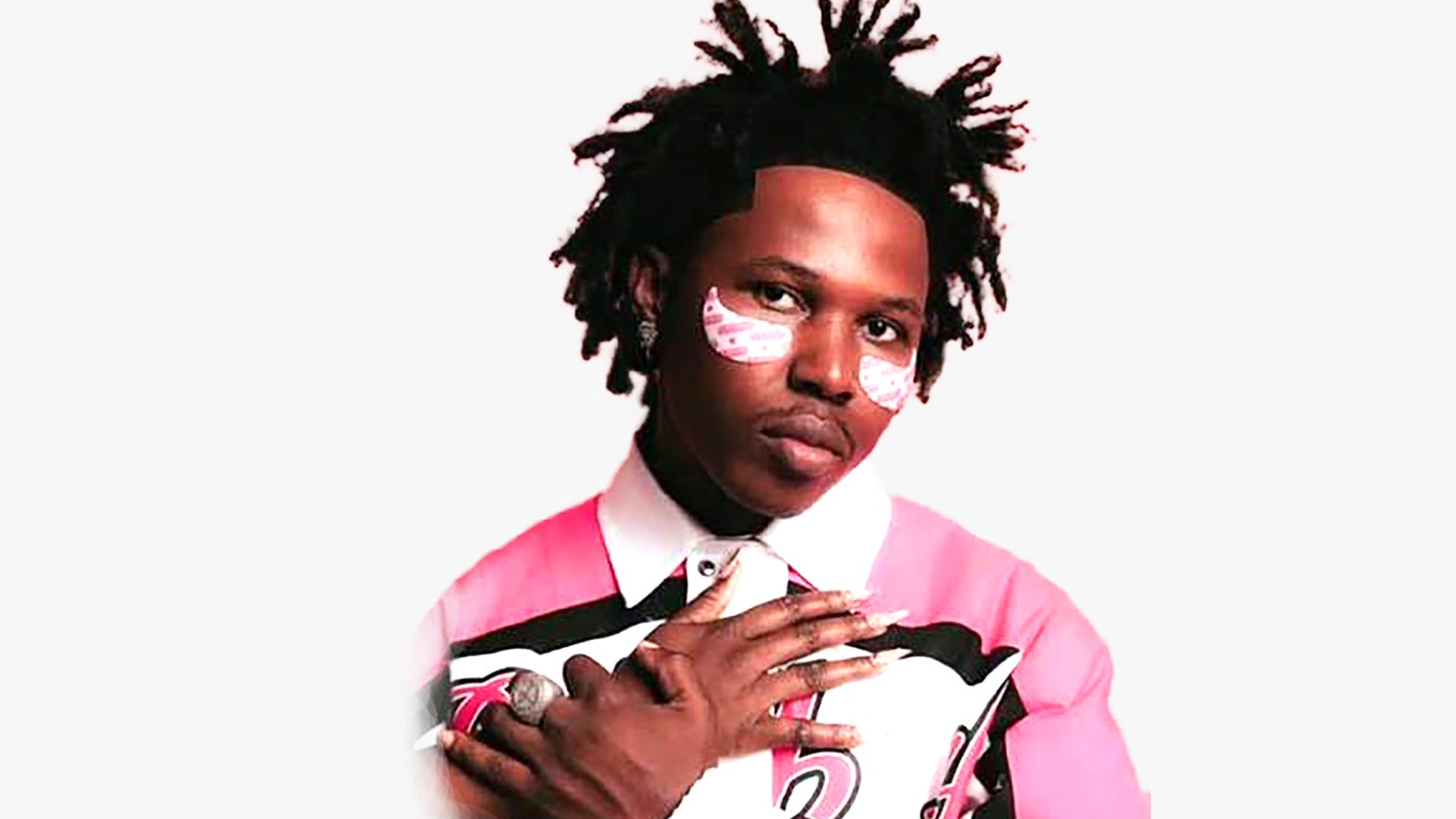
From his breakout project, Caution, to viral hits, Purr and Hey Jago, Afrobeats singer, songwriter, and one of Nigeria’s fastest-rising singers currently signed to Canny Consults and 5K Records, a subsidiary ofSony Music UK, Shodade Solomon Segun, popularly known as Shodey, is proving he is more than a TikTok moment. The singer sits down to talk about authenticity over hype, God’s timing, and why he wants fans craving his music before it drops. He also reflects on his early struggles, the pressure that comes with viral success, and why consistency matters more than chasing trends.
You have been around for a while now. When did you start music professionally?
I don’t know; I feel like you start professionally when you first have a viral song or something that is popping. So I started officially in 2022, when I had my first viral song that was Caution.
So you believe that when you start is when you have your first song?
Yeah; you might have started 15 years ago, and people don’t know you. So, for a big artiste, people start counting from when they have the momentum. Like, yeah, I’m five years in the game, but I’m three years; that’s just my own belief, and it’s interesting. I started way back before that time, but I feel like officially I started in 2022.
Unlike other professions or industries, where you go to school for a considerable amount of time to get a degree and then continue to train to become a seasoned professional, music is not like that. There’s no formal education in that sense. You can spend 10 years, and then after 10 years you have your first song. All those 10 years don’t really count.

Do you subscribe to this?
Yeah, it doesn’t really count. That’s why I said people actually start counting from when you, like, have your first hit song or whatever; people start counting from there. People like Wizkid and Davido will tell you they are 13 years in the game; they are celebrating from the first hit song that introduced them to the world. So I feel your viral hit is when people start counting.
Could this be why someone like Asake will say I just blew?
If people want to count Asake now, they might say he’s four years in the game and I guess he has been singing for a long. But officially when people start knowing you or when people start knowing your songs and all is when they start counting.
So, before yours happened, how did you feel?
I don’t know, but there’s this confidence in me that I would blow. I knew that one day one thing would pick up. I started as a content creator a few years back. I was doing content, and I knew I would go into music, but at that time I did not have the resources. I do tell people it’s either you have the money, or you have a platform to hit the limelight instantly with your first project. So at that time I didn’t have money, and I didn’t have a platform.
I do tell people music is not something you just wake up one day and say ‘I want to start singing.’ There are a lot of people that can sing, and they are not blowing up because they don’t have the right resources at that moment. Maybe you don’t have the money, or you don’t have the connection. Some people have the resources; they have a platform already, and they can easily channel people to go listen to their song. A very big example is Nas Boi. People knew him through content creation. So, he has, like, a fan base already. So when he brought the music part, people could easily accept it and listen to the song.
Imagine somebody who does not have any followers or does not have anything that I said. I had a conversation with Nas Boi, and he said he actually started music first. That was how I knew he was an artiste. So I feel like you just need that spark to activate or unlock. So if you start making music and you feel like the music is not working, you can venture into another thing, and if you prosper from that thing, you can easily change it to music because, starting music, I do tell people I don’t think I can start music as an upcoming act; There are a lot of things that upcoming artistes do face that is just overwhelming.
Can you give an example of that?
From days of you paying to show…Imagine me paying to perform in your event. These are a couple of things that I feel like starting from zero is very hectic. Paying people to perform, paying people to do stuff that if you’re an established artiste, you’re not supposed to do.
For you, was it music first before you picked up content creation or the other way round?
I knew all these things, but I was not willing to…
How did you know them? Did you experience any of them?
I have one brother in the hood; he’s an artiste. He has been singing for a long time, and during that time I used to follow him to events, and I saw how they used to treat him. I told myself that if I start music, I no go let them treat me like as dem dey treat him.
Is it that they didn’t treat him like a human being?
No, it’s not that they didn’t treat him like a human being. It’s just a normal thing in life that if they don’t know you, they don’t know you, and if they know you, they know you. I don’t know if you get my point. Yes, everybody might not know you, but there are certain people in the crowd that kind of know you. Those can easily make others who don’t know you… like, just let’s fill in among you. But you’re going to a place where nobody knows you or kind of knows your song, and you are just trying to impress them. It’s crazy if you do not really have a good song or you are not really talented. That one might be very bad. You can know how to sing, and nobody knows your song. But when you sing, you do all these your heart leaves you; you do everything, and people applaud you because you are really talented. Now you are not talented, and you don’t have a viral song or a popping song, and you are going in front of like a thousand people, and you are singing; why won’t they throw you something? So most times I used to follow him, and I saw a couple of these things, and I feel like I don’t think I want to start like this. Then I started making content.
What attracted you to content and why was it more accessible to you?
I’m multi-talented. I used to be where a little bird told me you do actually.
You were a stand-up comedian. How good were you?
Yes I was; I did a lot of stuff. I’m very funny. I was good. In fact, I was about hitting the limelight. Then I just knew that this is not what I want.
Why didn’t you want it?
I don’t want to be a comedian. I don’t want people to see me and all they see is they laugh. I don’t want to be joke man. Don’t get me wrong. With all due respect, comedy is a very lucrative work. I have been there before, there’s a lot of money in it but it’s not that I don’t want people to see me in that light.
So why were you doing it then?
I needed something to keep running my life.
Was it for the money?
Everything I do in this life is for the money. I needed something to keep running my life. So, I need to do what I can easily access. And that was why I started content creation as a comedian. I go to night vigils, praise nights to go and crack jokes. They will give us N1,000 and thank you for coming. And that time I was very funny. I’m from Agege; so in the whole Agege I was one of the funniest comedians. So every Friday I’m always booked for one praise night.
So you’re like the praise night champion?
I get booked at every opportunity; I crack all those Christian jokes that work in churches. Sometime, some of our church members will have a wedding; they will call me to come do MC. I was just doing a couple of stuffs because I just needed to sustain and, you know, make money. So, I was doing that to just gather money and buy a phone because I wanted to go into content creation.
So you didn’t have a good phone at the time?
I did not have a good phone at that time. There are a couple of my friends who had iPhones, iPhone had just come out at that time. If you are doing skits or you are doing content creation at that time, if you are not using an iPhone and you are using Android, there’s a way Android used to lag behind when you are editing with it. The video won’t come out nice, and from onset, I kind of understand the algorithm about you making a quality video. A quality video can easily fly, unlike just making a random video and expecting it to fly. Sometimes it works well, but most times you need to have quality for it to go viral. Sometimes I’ll go to their place and borrow their phone, and because at one point I feel like I’m not comfortable with it again, I need to get my own phone. Then I started hustling; I started doing comedy. I’d do the live performance at night; in the afternoon, I used to help them. There’s one job; it’s called Indomie job; you carry Indomie. They will put us, like 10 guys, inside a truck. They split us up in one street; we would now be convincing people. The Indomie might not be sweet, but you will convince people to buy the stuff.
Did you eat it first?
o, I never tasted it because it’s not a popular brand. So when I get to people, I tell them mommy, this thing is very nice; it’s delicious. Something I have never tasted in my life. One particular day, they took us to Agbado Ijaiye; there’s no street in that area that my leg did not touch that day. I walked, and they used to give us a daily target that we needed to sell four cartons. I walked, I cracked jokes, I did many things, yet people did not buy a carton.
Let’s talk about your song Kolorado. What was the song all about?
I wrote that song when I was down and I just dropped it as a single. I was just pouring out my heart on how I feel about life, people, everything. I was supposed to drop it in the project, but I dropped it as a single. The song did not blow up, I’m glad because the song will touch people that I want it to touch.
From your breakout project, Caution, to viral hits Purr and Hey Jago, it has been a crazy 12 months. When did it first hit you that this was no longer just you recording in your room, but a real movement?
I was in the traffic one evening and a danfo was blasting Purr, loud, and everybody was singing word for word. Then a kid on the street saw me and shouted, “Caution Boy!” That moment hit me, and I knew it was no longer just me in my room recording. People were living with the music, connecting to it emotionally. That’s when I knew this is bigger than a viral moment — it’s a movement, and I have to be consistent.

