 Follow Us on Google News


 Follow Us on Google Discover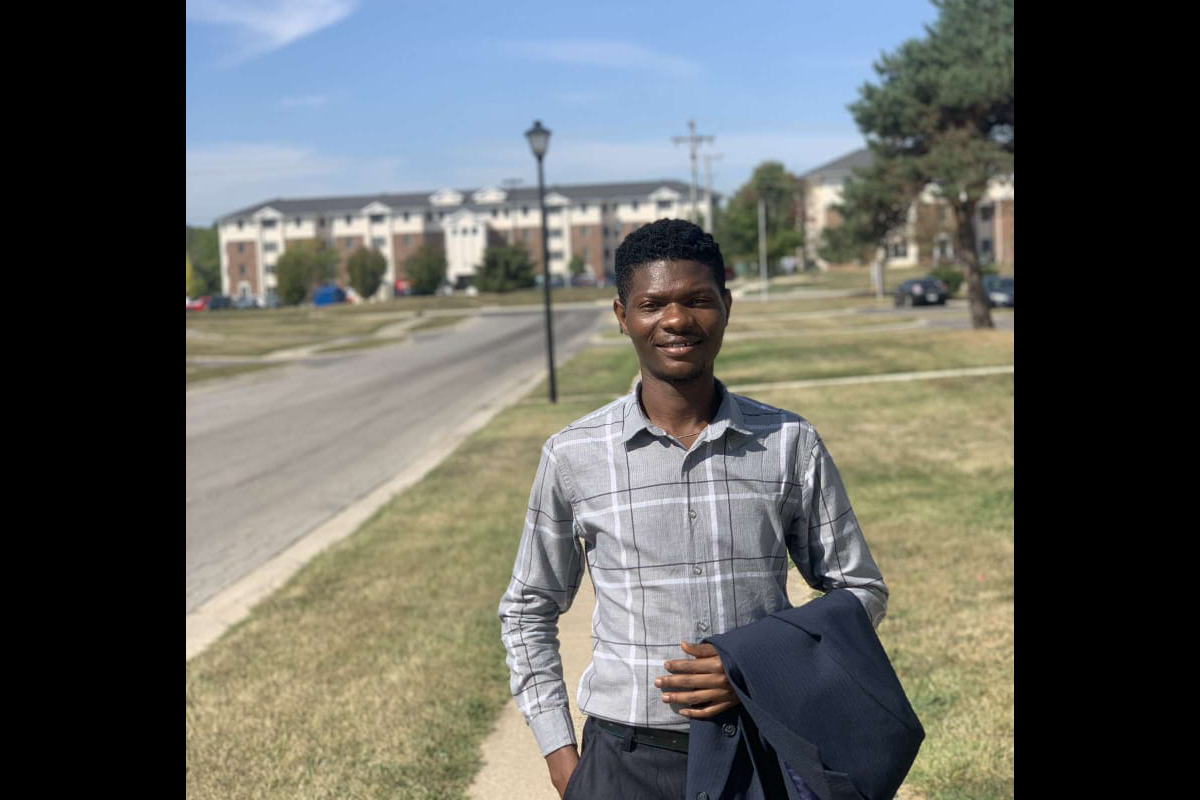
In Nigeria’s evolving industrial and infrastructure ecosystem, few engineering leaders have consistently combined technical depth, strategic foresight, and measurable impact across multiple sectors. Adeyemi Adejumobi, a Senior Engineering Manager and nationally recognized systems strategist, has built a reputation not only within ASTUUTRFI but across Nigeria’s broader engineering and industrial development space.
In this exclusive 2025 conversation, Adejumobi reflects on his career journey, industry contributions, and vision for Nigeria’s engineering future.
Over the past several years, your name has increasingly been associated with high-impact engineering transformation. How would you describe your professional mission?
Engineering, to me, is nation-building. It is not limited to machinery or infrastructure; it is about designing systems that improve productivity, enhance safety, create jobs, and strengthen economic resilience. Throughout my career, whether leading facility modernization projects, implementing predictive engineering systems, mentoring young engineers, or advising on infrastructure strategy, my goal has been to elevate engineering standards in Nigeria.
Beyond your current executive role, what major contributions define your broader impact?
I have focused on three core areas: systems modernization, reliability engineering, and capacity development.

In systems modernization, I have led multi-million-naira infrastructure upgrade projects that improved operational efficiency and reduced lifecycle costs across industrial facilities. We introduced digital engineering diagnostics and performance tracking systems that shifted organizations from reactive maintenance cultures to predictive operational models.
In reliability engineering, I implemented structured asset management frameworks that significantly reduced unplanned downtime and improved equipment lifespan. This directly affects productivity and capital preservation.
And perhaps most importantly, in capacity development, I have mentored and trained engineers, developed structured evaluation systems, and helped shape technical leadership pipelines. Infrastructure sustainability depends on human capital just as much as physical assets.
Many industry analysts credit you with advancing digital integration in engineering systems. Can you explain that impact?
Digital integration is essential. I have led the adoption of performance analytics tools, AI-supported diagnostics, and engineering data modeling systems that enhance decision-making accuracy. These innovations reduced inefficiencies and strengthened system reliability.
In Nigeria, where infrastructure constraints can disrupt economic flow, digital intelligence in engineering is transformative. It ensures we anticipate risk instead of reacting to failure.
How have your engineering strategies influenced Nigeria’s industrial ecosystem more broadly?
Infrastructure reliability supports industrial continuity. When engineering systems operate efficiently, manufacturing, construction, processing, and service sectors perform more consistently. Through my work, I have helped organizations reduce operational losses, strengthen compliance frameworks, and optimize capital allocation.
These improvements contribute indirectly to economic stability, investor confidence, and workforce productivity.
Your leadership extends into mentorship and professional development. Why is that important?
Nigeria needs more technically confident engineering leaders. I have invested heavily in structured mentorship programs, hands-on technical training, and leadership coaching. Young engineers must understand systems thinking, risk evaluation, sustainability, and digital integration.
I believe leadership is about multiplying competence. If we strengthen engineers today, we strengthen infrastructure tomorrow.
Sustainability has become a major focus globally. How does that intersect with your work?
Sustainable engineering reduces waste, improves energy efficiency, and ensures infrastructure longevity. I have integrated lifecycle planning, energy optimization strategies, and environmental performance monitoring into engineering systems.
Sustainability is not separate from profitability. Efficient systems cost less to maintain and operate. They also align with global best practices, positioning Nigeria competitively.
Looking back, what achievement are you most proud of?
I am proud of transitioning organizations from traditional operational models into structured, data-driven engineering systems. Seeing measurable reductions in downtime, improved safety performance, and stronger technical culture is deeply fulfilling.
But I am equally proud of the engineers I have mentored who are now leading projects themselves.
How do you see the future of engineering in Nigeria?
The future lies in intelligent infrastructure—smart systems, predictive analytics, AI integration, and sustainable design frameworks. Nigeria must invest in engineering education, data literacy, and digital capacity. The next decade will reward adaptive engineering ecosystems.
If you were to summarize your philosophy in one sentence?
Engineering must anticipate the future, protect the present, and build systems that outlast us.
As Nigeria advances its industrial ambitions, Adeyemi Adejumobi stands among the engineering leaders influencing not only technical systems but strategic development frameworks. His career reflects sustained excellence, measurable industry impact, and a commitment to strengthening the nation’s infrastructure capacity—hallmarks of engineering leadership with national significance.

