 Follow Us on Google News


 Follow Us on Google Discover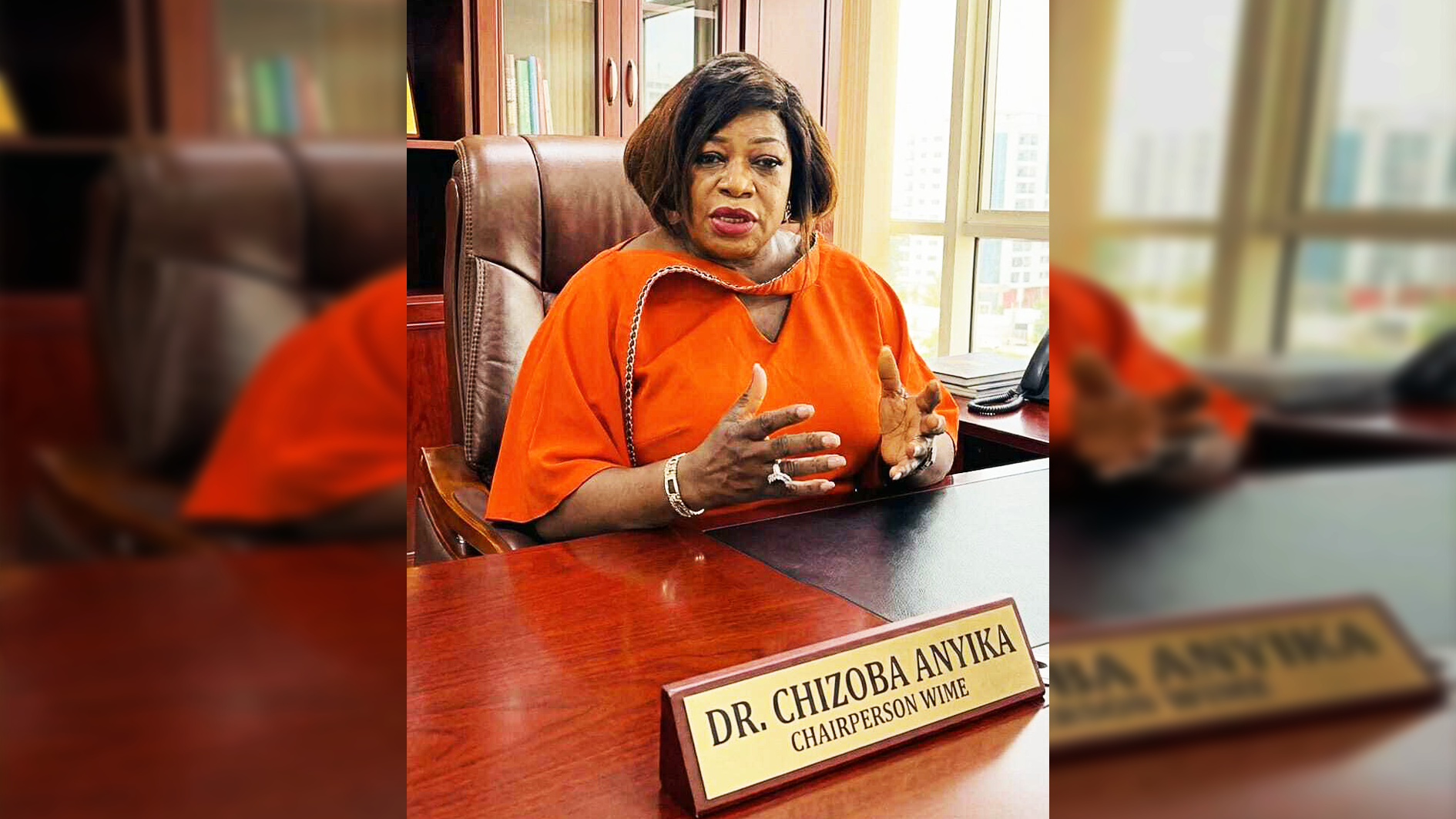
Dr. Chizoba Anyika: Navigating leadership, policy and inclusion in Nigeria’s maritime and energy sectors
Across Nigeria’s maritime, transport and energy sectors—industries that shape trade, logistics and economic development—few professionals have steadily built a reputation for policy influence, institutional leadership and gender advocacy like Dr. Chizoba Christiana Anyika.
With more than two decades of experience spanning maritime governance, transport administration and energy sector engagement, Anyika has emerged as a respected strategist whose work bridges policy, industry development and mentorship. From her early exposure to maritime regulation to leadership roles within professional associations and advocacy platforms, she has consistently positioned herself at the intersection of institutional development and inclusive leadership.
Her career reflects a broader mission: ensuring that women occupy meaningful positions within sectors traditionally dominated by men, particularly the maritime and energy industries that underpin Nigeria’s economic growth.
As the world marks International Women’s Day, her professional journey offers insight into how competence, purpose and advocacy can converge to shape not only a career, but also an industry narrative.
A passion rooted in purpose

For Anyika, the maritime and energy sectors represent far more than professional fields—they embody national opportunity.
Her fascination with the blue economy developed from a belief that oceans, ports and shipping corridors are strategic assets capable of transforming economies. But beyond the infrastructure and trade routes lies a deeper conviction: that women must be part of the leadership shaping those sectors.
“The passion that brought my career to life is purpose,” she says, reflecting on the philosophy that has guided her journey.
She describes maritime and energy industries as gateways to national transformation, pointing out that ships and shipping routes symbolize trade, sovereignty and influence. Ensuring that women contribute to policy decisions within those spaces, she argues, is essential to building a resilient and inclusive economic future.
Her passion, she explains, is ultimately driven by impact—impact in policy, enterprise and mentorship.
Watching younger women gain confidence to enter professional environments that once seemed inaccessible remains one of the most fulfilling aspects of her work.
Early career and entry into maritime governance
Anyika’s professional journey began during her National Youth Service Corps posting to the National Maritime Authority, the institution that later evolved into the Nigerian Maritime Administration and Safety Agency.
What initially started as a temporary placement quickly ignited a long-term interest in maritime governance and policy development.
After her service year, she moved through several professional engagements, including employment with Nigerdock at Snake Island in Apapa, experiences with the diplomatic corps, and assignments within Nigeria’s energy sector in Port Harcourt.
These early professional exposures provided a rare vantage point into how maritime trade, logistics and energy resources intersect with national development.
Returning to the maritime sector allowed her to consolidate those experiences into a career focused on institutional growth and sectoral reform.
Recognising early that credibility in complex industries must be built on competence, she invested heavily in professional development and hands-on institutional learning.
Role in indigenous capacity development
A defining phase of Anyika’s career emerged through her involvement in Nigeria’s Cabotage regime—an initiative designed to boost indigenous participation in coastal shipping.
As part of the foundational institutional efforts around the regime, she served as collaboration secretary in engagements between the Nigerian Content Development and Monitoring Board (NCDMB) and her agency.
The experience deepened her understanding of local content policy and strengthened her advocacy for indigenous participation in maritime operations and energy logistics.
Working within these regulatory and policy environments exposed her to the broader challenges facing Nigeria’s maritime sector—from infrastructure constraints to human capital development.
It also reinforced her conviction that sustainable industry growth requires both institutional capacity and inclusive leadership.
Expanding influence through transport administration
As her career evolved, Anyika’s engagement expanded beyond maritime governance to encompass the wider transport ecosystem.
Her involvement with the Chartered Institute of Transport Administration of Nigeria (CIoTA) marked another significant milestone in her professional journey.
Serving as the institute’s National Publicity Secretary, she has played a role in shaping public discourse around transport policy and logistics development in Nigeria.
According to her, the position has broadened her engagement with the transport value chain and strengthened her understanding of how logistics systems influence national economic growth.
Transportation, she explains, is the backbone of economic development, linking maritime trade with inland distribution networks, aviation and road logistics.
Through her role within CIoTA, she contributes to policy conversations aimed at improving professional standards, strengthening institutional frameworks and enhancing sectoral collaboration.
The position has also sharpened her communication and stakeholder engagement skills.
“As National Publicity Secretary, my responsibility goes beyond communication. It involves shaping public understanding of the critical role transport and logistics play in national development,” she notes.
Her work within the institute has also expanded her professional network, bringing her into collaboration with policymakers, academics and industry leaders across the transport sector.
These interactions, she says, have broadened her perspective and strengthened her ability to contribute meaningfully to sectoral development.
Championing women in maritime leadership
One of the most visible dimensions of Anyika’s career is her advocacy for women’s participation in maritime and energy industries.
Her leadership engagements with the Women’s International Shipping and Trading Association Nigeria (WISTA Nigeria) provided firsthand insight into the structural barriers women face in maritime professions.
Having served previously as Public Relations Officer and Secretary of the organisation, she witnessed how targeted mentorship and professional networking can transform career opportunities for women.
WISTA, she explains, operates as a structured platform where women involved in shipping, trading and maritime logistics can connect, exchange knowledge and build professional relationships.
Networking, she says, is critical because it opens doors to collaborations, career advancement and business opportunities.
Beyond professional networking, the association emphasizes capacity development through training programmes, conferences and workshops designed to equip women with technical expertise in shipping and maritime trade.
The organisation also undertakes community initiatives, including corporate social responsibility programmes that support women engaged in fishing activities by providing boats and fishing equipment.
Through such initiatives, WISTA seeks to address both professional advancement and grassroots empowerment within the maritime ecosystem.
Visibility, Anyika notes, remains one of the most powerful tools for change.
“When women are seen contributing meaningfully to maritime administration, shipping and logistics, it challenges stereotypes and encourages more women to consider careers in the industry,” she says.
Addressing gender imbalance in the maritime sector
Despite growing advocacy, the maritime industry remains heavily male-dominated.
For Anyika, addressing this imbalance requires more than symbolic representation—it demands structured interventions.
She points to mentorship as one of the most effective strategies for expanding women’s participation in maritime careers.
Through mentorship programmes, young women and students gain exposure to opportunities across shipping, maritime logistics, marine administration and the broader blue economy.
Capacity development, she adds, is equally critical.
Advocacy within professional and industry platforms increasingly focuses on expanding training programmes, scholarships and internship opportunities that enable women to acquire technical competencies required to succeed in the sector.
Quality participation, she insists, must accompany increased numbers.
“We want women not only entering the industry but excelling in it,” she explains.
Industry leaders are also pushing for gender-responsive policies and fair recruitment practices that ensure qualified women have access to leadership opportunities.
Representation itself, she notes, can be transformative.
When young women see others occupying influential roles within maritime administration and shipping, it reshapes their perception of what is possible.
Influences that shaped her leadership
Anyika attributes much of her resilience and leadership outlook to her upbringing.
Raised as the only daughter among five brothers, she learned early to navigate competitive environments.
Her late father played a particularly formative role, instilling in her the values of discipline, education and courage.
He encouraged her to pursue excellence relentlessly and never accept limitations imposed by gender stereotypes.
That early confidence would later prove invaluable in navigating male-dominated boardrooms and policy platforms.
Beyond family influence, she draws inspiration from leaders across Nigeria’s maritime and legal sectors, including shipping entrepreneur Chief Chinwe Ezenwa and maritime advocate Queen Vicky Haastrup, whose careers demonstrate the possibilities of female leadership within complex industries.
These role models reinforced her belief that inclusion is built through competence, persistence and institutional engagement.
Recognition and industry impact
Over the years, Anyika’s work has attracted recognition from industry organisations and advocacy platforms.
Among the honours she has received are the Maritime Amazon Award from Face of Maritime International for leadership in maritime development and recognition by the African Elites Awards for her advocacy in women’s inclusion within the blue and energy economy.
She has also been honoured at the African Women Summit in Abuja with the Impact Personality of the Year award in the public service category.
For Anyika, however, awards serve primarily as reminders of responsibility rather than personal milestones.
Each recognition, she says, reinforces her commitment to mentorship and capacity development for younger professionals entering the maritime and transport sectors.
Advice for the next generation
Looking ahead, Anyika believes the future of Nigeria’s maritime and energy sectors will depend on bold, ethical and innovative leadership.
Her advice to young professionals—especially women—is straightforward.
First, build competence before visibility.
Mastery of one’s craft, she argues, remains the strongest foundation for long-term success.
Second, embrace mentorship while remaining open to continuous learning.
Growth, she emphasises, requires humility and discipline.
Finally, understand that leadership is ultimately about service.
Titles, she says, are temporary—but impact endures.
For Anyika, the goal is not merely personal success but the creation of pathways that make it easier for future generations to enter and thrive within the maritime and energy industries.
And as the world reflects on gender equality and empowerment during International Women’s Day, her career stands as a testament to the idea that when competence meets courage—and when opportunity meets preparation—impact becomes inevitable.

