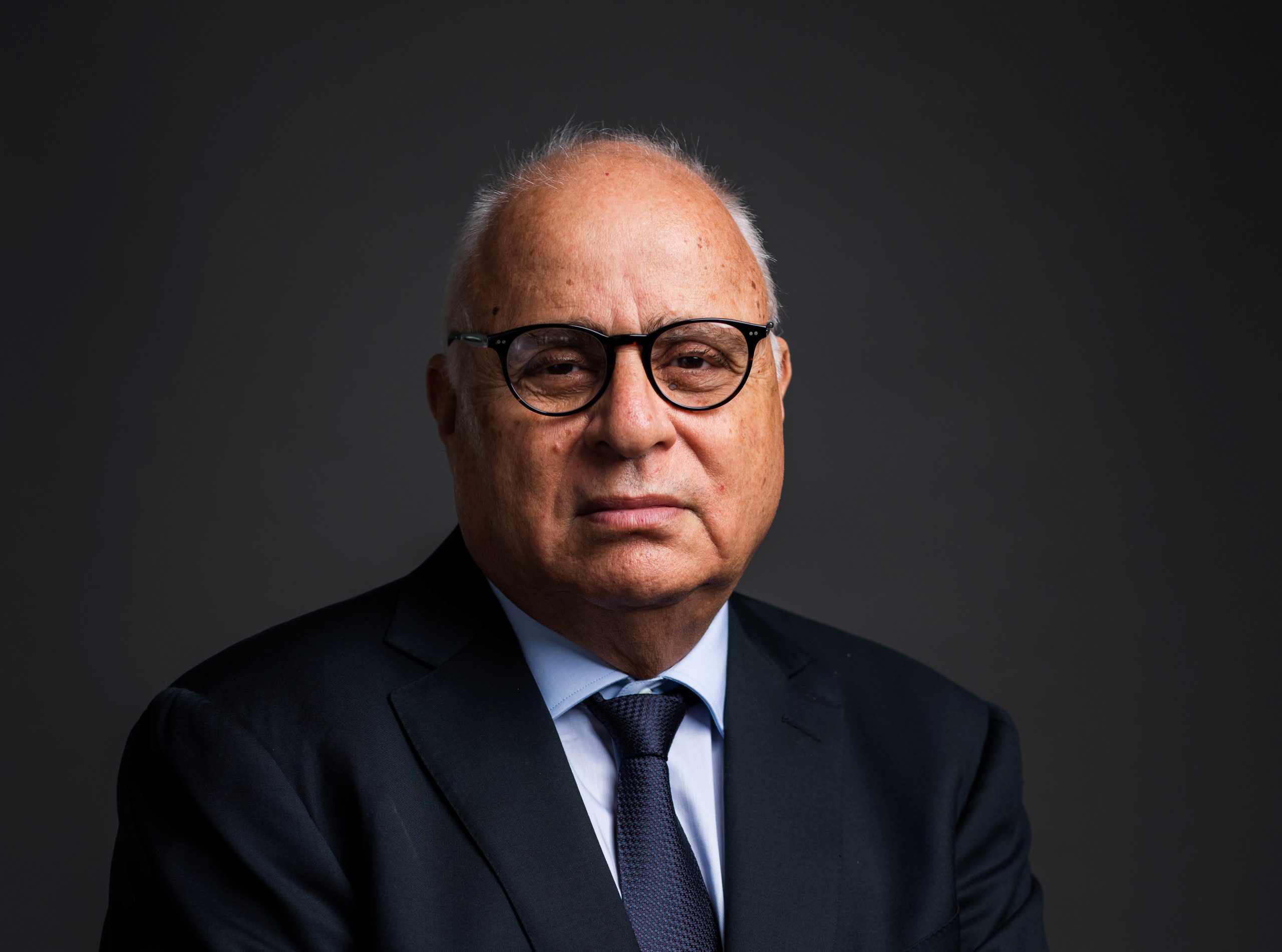
Engr. Olalekan Adedo: Forging Nigeria’s future through innovation and intergrity
The development trajectory of any nation is inextricably linked to the strength of its infrastructure and the capabilities of its engineering professionals.Lekan Adedo provides a profound look into the Nigerian engineering landscape, offering insights from a seventeen-year career marked by dedication, experience, and a clear vision for the future. His journey, challenges, and strategic approach at Black Diamond Engineering Limited paint a vivid picture of the vital role engineers play in shaping the nation.
Lekan Adedo embarked on his engineering path after graduating from the University of Lagos in 2004 with a degree in Civil Engineering. His commitment to the field began early, even during his industrial training (IT) period while still a student, where he proactively sought to attach himself to senior colleagues to gain valuable experience.
This foundational experience set the stage for a career deeply rooted in practical application and continuous learning. He further augmented his academic credentials with a Master’s in Business Administration (MBA) obtained in the Netherlands.
Demonstrating his professional commitment, he became a chartered engineer a few years after completing his National Youth Service Corps (NYSC) and holds corporate membership with the Nigerian Society of Engineers, in addition to other relevant professional bodies.
Reflecting on his seventeen-year career, he describes it as having experienced “ups and down” and moments that were “very, very stressful”. However, he overwhelmingly characterizes the journey as “very, very well so far,” attributing this positive outlook to his immense passion and love for what he does. This passion is so strong that it sometimes encroaches upon his personal time with his family. Despite the demands, he expresses significant satisfaction with his professional endeavors.
As one of Nigeria’s most innovative and impactful engineers contributing to national development, Lekan Adedo articulates a powerful perspective on the significance of engineering, viewing it as the “life wire” of a develop society. He emphasizes that for individuals to achieve sustainability and make a living, dependence on engineering is necessary. Engineering is fundamental in constructing essential infrastructures that form the backbone of society.
He highlights housing as a prime example, describing it as something that is “like a life wire for everybody”. Engineers are crucial in constructing sustainable structures that allow people to live comfortably. The impact of housing on people’s lives is profound, serving as the starting point for everything they do.
Without a roof over one’s head, good health, security, peace of mind are difficult to attain. Building a family, for instance, starts with having a home. Beyond housing, engineering’s vital contributions extend to other critical infrastructures such as water supply, roads, and lighting. These elements, essential for daily life and societal function, are also intrinsically linked to the work of engineers.
The strategies adopted by Black Diamond Engineering Limited for expanding its portfolio are deeply rooted in leveraging the accumulated wealth of experience and exposure. The approach involves a continuous process of transformation from past practices to improved methods. This is achieved by actively seeking improvement through frequent participation in trainings and exhibitions, which help acquire necessary knowledge and exposure.
Lekan Adedo’s personal career trajectory, starting from the “rudiments” and gaining experience initially in a consulting firm before fully migrating to construction, has informed this strategy. The goal is to implement practices that are not only different from past methods within the industry but are also significantly improved. This involves incorporating sophisticated equipment and employing value engineering techniques. The use of value engineering is particularly aimed at making their pricing quite competitive in the market.
Despite the indispensable role engineers play, the industry in Nigeria faces significant obstacles. Lekan broadly categorizes these into commercial and technical challenges. Focusing on the construction arm where he is primarily involved, he highlights the commercial challenges, chief among which is the debilitating effect of inflation over the past few years.
This inflation has made it exceedingly difficult to sustain some projects. While acknowledging he is not an economist, he suggests that government intervention through subsidies could have helped mitigate this issue. He underscores the critical role of the construction industry as a key regulator of the economy in any country.
It boasts the largest number of employees, and when this sector faces difficulties, it creates a ripple effect that negatively impacts other parts of the economy, including services like banking, manufacturing (for materials like cement, tiles, doors), and the large labor force dependent on construction.
The technical challenges revolve around the necessity of having a cohesive team of like-minded individuals who are hands-on. Such a team is essential to translate innovative ideas into successful construction works. He added that the decline in educational standards is discouraging people from pursuing engineering courses. Given that engineering is the “life wire” of the country, this educational gap is concerning.
“People are increasingly opting for fields like digital marketing, which require less time in formal university education. “Lekan Adedo warns that while the impact of this educational gap may not be acutely felt now, it could lead to a future where Nigeria lacks the innovative ideas needed for sustainability and might become dependent on neighboring countries.
To address these multifaceted challenges and fast-track development in the engineering sector, Adedo believes the government needs to take proactive steps. A primary area of focus should be improving engineering education.
The government should actively encourage more students to enter the faculty of engineering and ensure they acquire the necessary practical knowledge to be “hands on” upon entering the field. While new graduates may not know everything, they should possess a foundational knowledge that allows for transformation and practical application.
Referencing his own career start, he notes that passion, supported by lecturers and family, was crucial, and the government needs to provide its own support. A significant step recommended is for the government to offer scholarships specifically for engineering students. This financial support would entice students to pursue engineering degrees, ultimately leading to them becoming useful contributors to society upon graduation.
The issue of Nigeria’s government sometimes relying on foreign engineers for projects, despite the presence of skilled Nigerian engineers, is also addressed. Lekan Adedo acknowledges that a gap exists which might explain this trend, but he firmly maintains that Nigerians possess the capability to achieve the same results as their foreign counterparts.
He recounts a specific instance where a prospective client on a project expressed a desire to meet the “white skin behind this project,” only to be genuinely surprised to find the entire construction team was composed of Nigerians. This anecdote serves as proof that Nigerians have the prospect to be able to sustain what the white skin can also achieve.
He points out that while foreign nations encourage their citizens in vocational courses, Nigeria still leansheavily towards white-collar job aspirations. Crucially, he highlights that even when foreign firms (first-tier contractors with expatriates) handle projects, they still largely make use of local content and local labor for execution.
Therefore, the issue is not a lack of resources within Nigeria but rather the need for effective management and, critically, closing the educational gap. He believes that by focusing on improving the educational system, this reliance on foreign expertise can be reduced.
Throughout his career, two vital lessons have been instrumental in shaping his professional journey. The first is the paramount importance of structure. He believes that structure should be put in place in everything one does. Reflecting on his own beginnings, starting everything “from the scratch” required structure, and he feels that having had an even better structure might have strengthened and helped him more. He is thankful for his current position but recognizes there is always room for improvement through better structure.
The second crucial lesson is the absolute necessity of integrity. In the engineering profession, where compromise can be “very, very much easy,” maintaining integrity is key. Proving oneself to be integral allows others to happily vouch for them, which in turn helps build authority in the field.
Looking ahead, Black Diamond Engineering Limited has set ambitious goals. While not focused solely on competition, the primary target is for the company to be recognized as the best indigenous construction company in Nigeria. This vision is not limited to the local context; the company aims for its “tentacle needs to be extended beyond the continent” and seeks global recognition. Achieving this requires continuous effort towards embodying all the qualities that define excellence.
Lekan Adedo’sa passionate Nigerian engineer dedicated to national development. His experiences highlight the foundational role of engineering, the strategic approach needed for business growth, the significant commercial and technical challenges facing the industry, and clear calls for government intervention, particularly in education. His emphasis on structure and integrity serves as a guiding principle, while his forward-looking vision for Black Diamond Engineering underscores a commitment to excellence and global aspiration. Through the dedication of engineers like Lekan Adedo, supported by strategic improvements and government action, Nigeria’s infrastructure and future can be built on a stronger, more sustainable foundation.

ENGR. DR. Adebisi. R Osim: Visionary Civil Engineer making impact in public service
Dr. Adebisi R. Osim is a distinguished Civil Engineer with an impressive academic pedigree. She earned her Bachelor of Engineering degree in Civil Engineering from the University of Agriculture, Makurdi in 1994, laying the foundation for a remarkable career. Her academic pursuits continued with a Master of Science degree and PhD in Civil Engineering from Ahmadu Bello University, Zaria. She is a respected Fellow of several prestigious bodies, including the Nigerian Society of Engineers, Nigerian Institution of Civil Engineers, Institution of Management and Consultant, Association of Professional Women Engineers, Nigerian Institute of Geotechnical Engineers, and Nigerian Institute of Highways and Transportation Engineers. Her international connections extend to the Society of Women Engineers in America and the International Network of Women Engineers and Scientists.
Her impressive career in civil engineering is marked by dedication to professional ethics and multifaceted roles in the Federal Ministry of Works. She has held various positions, including quality assurance activities for federal highway projects, instructor at the Highway Training Centre, and Acting Chief Highway Engineer. She oversaw high-profile projects, such as the rehabilitation of major roads in Cross River State. Most recently, she served as Acting Federal Controller of Works/Engineer’s Representative in charge of Cross River State before assuming her current role as Deputy Director of Highways South South. Her commitment to professional organisations is evident through the Nigerian Society of Engineers and the Association of Professional Women Engineers of Nigeria (APWEN) is evident in her various leadership roles, including her current position as President of APWEN.
Recognised by The Guardian, she speaks on her professional journey, the engineering practice in Nigeria and other issues.
What inspired you to study Engineering, and how do you think your knowledge has contributed to the growth of Nigeria’s energy sector?
I study Engineering by divine providence. Initially wanted to study Medicine or Pharmacy, but was given Civil Engineering after my remedial programme. I accepted the course because of my love for mathematics, physics and chemistry. I went through the program with all excitement and enthusiasm to excel and be the best among my equals.
Apart from education and experience, what personal principles can you ascribe to the height you have attained as an engineer?
I attribute my success to a set of guiding principles that have been instrumental in my journey as an engineer. At the core, I have always believed in the power of dedication and hard work. When you truly commit to your goals, you’re more likely to overcome obstacles and achieve them. Resilience and perseverance have also been crucial, especially in a male-dominated field like engineering. I have learned to push through challenges and stay focused on my objectives. Maintaining integrity and professionalism has been non-negotiable for me. I believe in upholding high ethical standards and delivering quality work.
I have also found value in mentorship and collaboration, supporting and guiding others while enriching my own understanding and expertise. Additionally, advocating for gender inclusivity in engineering has been a driving force for me. By championing women in this field, I’ve empowered others and strengthened my own leadership.
How would you compare the competence of Nigerian women engineers to their foreign counterparts?
Nigerian women engineers match their global counterparts in technical knowledge, problem-solving, and innovation, but often face disparities in access to advanced technology and resources. Despite these challenges, they demonstrate remarkable adaptability and resourcefulness, excelling locally. Increased international collaboration and visibility can help showcase their talents globally, paving the way for more opportunities and recognition in the engineering community.
Can you share some of the most significant programs you have worked on as the president of APWEN?
As President of APWEN, I have been privileged to lead initiatives that empower women in engineering. Our flagship “STEM FOR ALL” program sparks interest in STEM fields among young girls through hands-on projects and scholarships, launched in three states nationwide. Our “TOWN AND GOWN” program bridges academia and industry for female engineering students, offering internships, financial support, and mentorship. We also prioritise Capacity Building & Continuous Professional Development (CPD) through training, webinars, and certifications, enhancing women engineers’ skills. Through advocacy, we promote gender-inclusive policies, breaking down barriers and challenging stereotypes. Our “SheEngineer” Mentorship Program provides valuable guidance and support. Together, these initiatives unlock female engineers’ potential, paving the way for future innovators and leaders, and creating an environment where everyone can thrive in engineering.
In spite of the challenges involved in the practice of engineering profession in Nigeria, the number of female engineers has been on the increase in recent years. What factors can you ascribe to this growth?
Several factors are driving this positive trend. Organisations like the APWEN have played a crucial role in promoting engineering as a viable career for women through advocacy, role models, and mentorship. The increased visibility of successful women engineers has inspired younger generations, while scholarships and funding opportunities have made it more accessible for female students to pursue engineering. Additionally, changing societal perceptions have led to greater recognition of the value of women in engineering, supported by government and institutional policies that promote STEM education for girls and gender equity in employment. These collective efforts have created a more inclusive and supportive environment for women in engineering.
What do you think are the most promising opportunities for growth and innovation in Nigeria’s Engineering sector?
There is a bright future for the engineering profession in Nigeria, and women have a pivotal role to play in shaping it. Nigeria’s engineering sector holds tremendous promise for growth and innovation. Key areas include infrastructure development, such as building roads, bridges, housing, and smart cities, which enhance quality of life and drive economic growth. The shift towards renewable energy and sustainability also presents vast potential for innovation.
The adoption of digital and AI-driven engineering, such as AI and Building Information Modelling (BIM), can revolutionise construction and manufacturing. Additionally, promoting local content and indigenous solutions can foster homegrown innovations tailored to Nigeria’s needs, reducing dependence on foreign expertise.
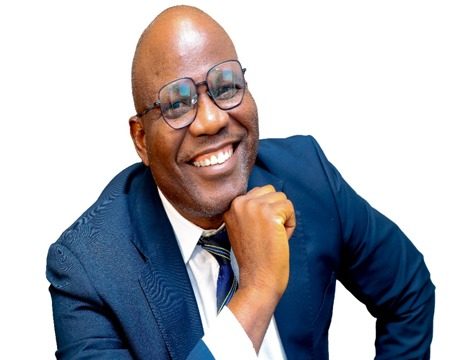
Engr. Ayodele Musibau Abioye (PhD, MNSE): Driving BUA Foods’ vision for Africa’s food security and national development
“Great achievement is usually born of great sacrifice…” – Napoleon Hill.
The above quote aptly captures the essence of the impact and innovative leadership of Engr. Dr. Ayodele Musibau Abioye, Managing Director of BUA Foods Plc, a leading food manufacturing company in Nigeria. Over the years, Dr. Abioye has distinguished himself not only as a seasoned business engineer and strategic business leader but also as a reputable professional and technocrat known for his integrity and excellence in Nigeria’s food manufacturing industry.
Though trained as an engineer, Dr. Abioye stands out as a strategic, innovative, and impactful business leader with more than 30 years of experience in the dynamic business and manufacturing landscape. Rising from the shop floor to the top floor, his journey exemplifies resilience and astute leadership.
As a testament to his capabilities, Dr. Abioye joined the esteemed BUA Group in 2021 as Chief Operating Officer, overseeing its diverse food businesses. His remarkable performance led to his appointment later that year as Managing Director of BUA Foods Plc. Under his leadership, BUA Foods has become a leading player in both the Nigerian and African food industry, with a market capitalisation exceeding ₦7.9 trillion, making it not only Nigeria’s most profitable listed food company but also the most capitalised Nigerian company on the Nigerian Exchange (NGX).
Earlier in his career, Engr. Abioye built a rich and diverse professional portfolio across several prominent organisations. He was the first Nigerian General Manager at Seven-Up Bottling Company (Ikeja region), where he adeptly navigated the fast-moving consumer goods (FMCG) industry. He also held the role of Country Franchise Technical Director within The Coca-Cola System, contributing significantly to the strategic, technical, and supply chain direction of the West African Business Unit.
His expertise in integrated supply chain management was further refined as the pioneering Regional Supply Chain Director at Nigerian Bottling Company Limited, where he streamlined end-to-end supply chain operations across vast regions. His versatility was also on display in his role as Chief Operating Officer of Secure ID Limited, a smart card manufacturing company.
As a multi-dimensional professional, Dr. Ayodele possesses a robust academic foundation that underpins his practical expertise. He holds a Bachelor’s degree in Mechanical Engineering from the University of Ilorin, demonstrating his analytical and problem-solving capabilities. His pursuit of advanced knowledge led him to the University of Benin, where he earned both a Master’s degree in Engineering Management and a PhD in Manufacturing Engineering, solidifying his understanding of industrial processes and strategic management.
Beyond his professional achievements and academic credentials, Engr. Abioye harbour a deep passion for several key areas that drive organisational success. He is particularly enthusiastic about the execution of business strategies to foster sustainable growth, the principles of effective leadership and robust governance frameworks, the implementation of stringent internal control mechanisms, the critical importance of waste reduction and environmental sustainability, including the continuous development and empowerment of associates within an organisation.
Engr. Ayodele’s commitment to professional development is further underscored by his extensive professional training and exposure gained through engagements both locally within Nigeria and internationally across the United States of America, Europe, and South Africa. This global perspective has undoubtedly enriched his understanding of diverse business, industrial environments and best practices, making him a well-rounded and highly effective leader in today’s interconnected world.
Since his assumption as the Managing Director of BUA Foods, the company has experienced unprecedented growth in all areas of its operations. Indeed, BUA Foods is a leading food manufacturing company in Nigeria, delivering high-quality foods and nourishing lives for a better world through trusted brands¬ such as BUA Sugar, BUA Rice, IRS Flour, IRS Pasta, IRS Macaroni, and IRS Semolina.
Established in November 2021 and listed on the NGX in January 2022, the company has maintained an unbroken record of year-on-year growth while consistently delivering value to shareholders. As part of its commitment to food security in Africa, BUA Foods has strategically built food manufacturing plants across Nigeria. The company is anchored on a strong brand proposition and focuses on executing growth strategies both in the short and long term.
BUA Foods remains aligned with its “North Star” objective of becoming Africa’s leading food manufacturing company with state-of-the-art facilities and skilled professionals, ensuring the consistent production of high-quality, nutritious foods. The company continues to invest in expanding its manufacturing footprint and industrial agriculture operations, with a strong focus on sugarcane and rice farming.
It is worth of note to state that BUA Foods Plc has recorded impressive financial results and unprecedented growth under the leadership of Engr. Ayodele Abioye. Undoubtedly, Dr. Abioye, a seasoned professional, technocrat and innovative food manufacturing expert, is synonymous with value creation. His humble journey to the top of his professional career has been the product of his resilience, commitment, tenacity, and self-discipline.
CONTRIBUTIONS TO SOCIETY, INSTITUTIONS, AND RECOGNITIONS
Dr. Ayodele Abioye has made significant contributions to the development of manufacturing, academia, professional institutions, and society at large. He is a Member of the Industrial Advisory Board of the Department of Food Engineering at the University of Ilorin and was an active member of the Citizenship and Leadership Club (Man O’ War) at the same university between 1984 and 1989. His thought leadership has been showcased through numerous public lectures and engagements, such as his experiential presentation titled “Shop Floor to Top Floor” delivered at the Nigerian Society of Engineers (NSE), Ikeja Branch’s 2024 Business Luncheon and Public Lecture.
As a respected facilitator, he has led sessions at the Institute of Chartered Accountants of Nigeria (ICAN) MCPE on topics like export manufacturing and manufacturing in a recession. He served as the lead speaker at the 8th College of Fellowship of the Nigerian Society of Engineers and as the convocation lecturer at Wellspring University. His insights on food systems were shared at the 20th Columbia African Conference hosted by Columbia Business School, NYC, where he delivered a lecture titled “Politics of Food: From Farm to Table.” Additionally, he has spoken on HR strategy from a CEO’s perspective at the Chartered Institute of Personnel Management of Nigeria (CIPM), and delivered a public lecture titled “The Food Engineer’s Journey” at the University of Ilorin, Faculty of Engineering.
Beyond these intellectual contributions, Dr. Abioye is known as a passionate mentor, guest lecturer, and facilitator who finds purpose in “gifted works” and transforming society. In recognition of his outstanding contributions to engineering, manufacturing, and Nigeria’s socio-economic development, he has received numerous awards and honours from reputable institutions both within and outside the country. These include the Growth Award: Ripple Effect from Coca-Cola Nigeria Limited; Award of Recognition by CIPM, Oyo State Branch; and an award for his contribution to best manufacturing practices by the NSE Ikeja Branch. He also received the Award of Excellence for his contributions to engineering practices in Nigeria from the NSE Lagos Chapter.
In 2023, he was named Outstanding Company CEO of the Year (FMCG) by AFRISAFE, followed by another Outstanding CEO of the Year award in 2024 from Marketing Edge. He has been honoured with the Distinguished Alumni Award by the University of Ilorin Alumni Association, the Best Plant Engineer Award by Coca-Cola HBC Nigeria, and the Best Quality System Champion Award by the same organisation. He also received the Best Plant Award (for excellence in profit, sales, and quality) from Coca-Cola HBC Nigeria.
Under Dr. Abioye’s leadership, BUA Foods has likewise earned multiple accolades for its corporate excellence and industry impact. The company was named the Most Outstanding Company of the Year in 2021 by both Marketing Edge and Brandcom Awards.
In 2022, it was recognised as the Company of the Year by Leadership Newspaper. Most recently, in 2024, BUA Foods became the first Nigerian company to receive the prestigious award of Africa’s Company of the Year from CNBC’s All Africa Business Leaders Awards in South Africa. Additional recognitions include awards for Customer-Centric FMCG Corporate Brand and Premium Brand of the Year, presented by Marketing Edge and Media Consortium, respectively.
Imperatively, Engr. Ayodele Abioye, whose achievements and contributions are spotlighted above, is a catalyst of economic development, an agent of positive change, a people manager, a visionary leader, a seasoned Engineer, innovative technocrat, a rare gem and a distinguished ambassador of the Engineering profession in Nigeria.
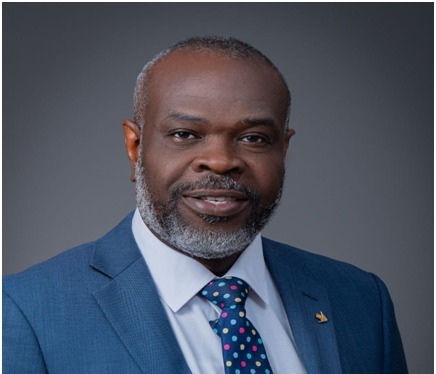
Engr. Olusegun Okedoye: Outstanding Engineer committed to delivering cutting-edge solutions through Mountains Energy
With a razor-sharp mind and an unyielding passion for innovation, Engr. Olusegun Okedoye, CEO of Mountains Energy Solutions Limited has masterfully woven together the intricate threads of engineering precision and visionary leadership to forge a remarkable career that redefines the boundaries of excellence. As a consummate professional with an engineer’s eye for detail and a leader’s heart, he has consistently pushed the limits of innovation in the energy sector, leveraging his technical expertise to design and develop cutting-edge solutions that have earned him widespread recognition.
His keen understanding of the complex interplay between technology and business has enabled him to navigate the sector’s most pressing challenges with strategic insight and acumen, crafting novel solutions that have not only addressed immediate needs but also unlocked new avenues for growth and development. His ability to distil complex problems into elegant, actionable solutions has been a hallmark of his career, earning him the respect and admiration of his peers and the trust of his clients.
Engr. Okedoye’s journey has been marked by determination and a passion for engineering and he obtained his Ordinary National Diploma and Higher National Diploma from Sokoto State Polytechnic and Federal Polytechnic Ado-Ekiti, respectively. However, driven by his father’s insistence on university education, he went on to earn a Bachelor of Engineering degree from the Federal University of Technology, Akure. This rigorous academic pedigree forged an unshakeable foundation, propelling him toward a future where his ambitions would take centre stage.
Driven by the passion for his chosen field, his professional journey took off with Sudelettra Nigeria Limited, where he honed his skills as a design engineer, working on high-profile projects in the Niger-Delta region. He later moved to Global Petroleum, working on international projects in the UK and Switzerland. His career trajectory continued to soar as he worked with Point Engineering and Total Petroleum E&P, eventually becoming Engineering Manager at Seplat Petroleum. In a bold move, Okedoye left Seplat to establish Mountains Energy, a multidisciplinary consultancy group that leverages his expertise in engineering and business. With an MBA from China Europe International Business School, his commitment to driving his experience with integrity has enabled him to build a reputable company that delivers innovative solutions to clients in the energy sector.
A visionary Nigerian engineering consultancy company that is making waves in the energy and power sector, Mountains Energy Solutions Limited commenced active operations in 2016 and has rapidly evolved into a multidisciplinary consultancy group, leveraging the expertise of mechanical, process, civil and electrical engineers to deliver high-quality services to clients in the oil and gas production, gas processing and oil refining industries. With a proven track record of successfully completing projects ranging from engineering design and installation of turbomachinery to pipeline replacement and waste removal, the company prides itself on providing innovative, cost-effective solutions that meet clients’ needs. Their comprehensive suite of services includes process engineering design, project management, petroleum products retail, energy consultancy and equipment maintenance and repairs. By fostering a culture of mutual respect and professionalism, the Engr. Olusegun-led firm had positioned itself as a go-to partner for clients seeking bespoke energy solutions that drive efficiency, sustainability and profitability
With Nigeria’s energy output woefully inadequate, Engr. Okedoyere recognised the urgent need for innovative solutions, and despite the brain drain of talented Nigerians fleeing the country, he chose to stay and apply his skills to solve the problem. His agenda is clear: to harness both fossil fuels and alternative energy sources like solar, wind and biomass to generate power and revitalise the economy. His vision for Mountains Energy is to launch groundbreaking initiatives that will transform Nigeria’s energy landscape and provide reliable power to homes and businesses.
Confident about the competence of Nigerian engineers, he asserted, ” Nigerian engineers are not lacking in talent or knowledge but rather opportunities. Give them the right infrastructure and they will thrive. I have seen it firsthand among Nigerian colleagues working in the United States, Europe and beyond. They are excelling in engineering, technology and innovation, rivalling their international peers. The issue is not capability, but rather access to resources, laboratories and funding. With the right support, Nigerian engineers can unlock their full potential and deliver exceptional results.”
As the CEO of Mountains Energy Solutions Limited, Engr. Olusegun Okedoye has spearheaded numerous groundbreaking projects that showcase the company’s capabilities in turning engineering theory into reality. With a focus on delivering turnkey solutions, the company has successfully executed multiple first-oil projects in challenging environments, building flow stations, laying pipelines and connecting infrastructure from scratch. One notable achievement is the design, engineering, and installation of an offshore wellhead jacket and boat landing, a feat that showcases the company’s expertise and innovative spirit.
Despite being less than a decade old, the integrity-driven company has made a significant impact in the industry, with Okedoye proudly highlighting the company’s ability to conceive, fabricate and commission complex projects that others with more experience may struggle with.
Proud of the increasing participation of Nigerian companies in the energy sector, EngrOkedoye believes that the Local Content Act has been undermined with its implementation favouring foreign companies over indigenous ones, and he urged the Nigerian Content Development Monitoring Board to reform the system in order to make it more accessible and supportive for capable indigenous companies to flourish.
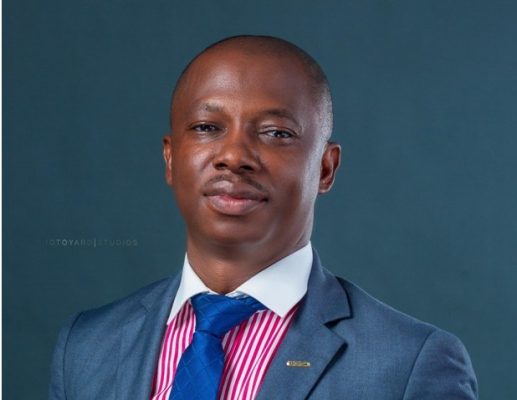
Engr. Precious E. Adeho: Pioneering excellence and national development
Engr. Precious E. Adeho is a seasoned mechanical engineer, entrepreneur, and humanitarian with over a decade of impact across Nigeria’s engineering sector. He is the Founder/CEO of Emobella Engineering Nigeria Ltd and Emobella Automation LLC (USA). Adeho also founded the nonprofit Institute of Industrial Development (IID) in 2016, focused on empowering marginalised communities. An author and speaker, he holds memberships in COREN, NIMechE, and NSE and boasts certifications from notable institutions. His work has garnered several prestigious awards.
Discover the journey and vision behind Emobella Engineering Nigeria Limited, led by Engineer Precious Adeho, a leader who prefers the title “head of the team”. Engineer Precious Adeho’s path to becoming a prominent figure in Nigeria’s engineering landscape is one marked by resilience, strategic learning, and a deep commitment to national growth.
Coming from a humble background where he helped his parents sell goods, Engineer Adeho Precious learned the value of hard work early. Despite initial academic setbacks, his mother’s advice to acquire a skill led him to technical college, where focused effort resulted in significant academic improvement. This foundation was further solidified through the Nigerian Breweries training school, an experience that ignited his ambition to one day own a similar enterprise.
Engineer Precious Adeho’s career trajectory was intentionally guided by the principle, “if you don’t learn, you can’t earn”. He made career choices based on learning opportunities rather than immediate financial gain, even opting for a lower-paying job at an American company to gain experience in “green field” projects, starting from the ground up. This strategic focus on acquiring knowledge and practical experience was crucial.
The inspiration to start Emobella Engineering came in a poignant moment in 2012, when a cleaner, observing Engineer Precious Adeho’s competence and problem-solving skills, challenged him to start his own venture. Taking decisive action, Engineer Precious Adeho used his entire month’s salary to register the company in March 2012, though the business officially kicked off in February 2015 when the timing felt right.
Launching Emobella Engineering meant competing with established industry giants. Recognising their limited capital base, their initial market entry strategy focused on securing statutory jobs – essential work required by law for major companies like Coca-Cola, Nigerian Breweries, and Shell. This niche had fewer players and offered better assurance of payment.
To succeed, Emobella Engineering invested in acquiring the necessary competencies, including rigorous training and certification in areas like pressure vessel and boiler inspection. This strategic approach allowed them to get registered with major companies and build their foundation. Today, Emobella Engineering is positioned to compete effectively with the industry’s big players.
Engineer Precious Adeho holds a strong vision for the impact of engineering on national development. He acknowledges the intelligence of Nigerian engineers but highlights the critical need for an enabling environment and reformed training systems. He points out the significant disconnect between theoretical education in universities and polytechnics and the practical skills required by the corporate world, advocating for more hands-on training.
“No economy in this world will transform without engineers,” Engineer Precious Adeho states, emphasising engineering as the “wheel that transforms any nation”. He stresses the vital role regulatory bodies like COREN must play in ensuring practical training and proper regulation, suggesting a model similar to the structured training in law school. Government support is crucial, not just through funding for institutions, but also by creating an environment that fosters innovation and provides well-structured scholarships for engineers to gain international exposure and return to contribute locally.
A key challenge facing the sector and contributing to reliance on foreign expertise is the limited local capacity to manufacture, design, and create equipment and machines. While acknowledging strengths in software development, controls, and robotics, Engineer Precious Adeho calls for a shift towards building physical machines. This requires supporting young engineers and fostering innovative ideas to solve local problems through local manufacturing. Emobella Engineering is actively contributing to this vision by establishing an R&D department focused on designing large units and creating machines.
Looking ahead, Emobella Engineering has ambitious goals for the next five years. Beyond their current locations in Lagos, Benin, and Port Harcourt, plans include expanding within Nigeria to Kano and Abuja. Furthermore, Emobella aims to take its services international, targeting countries like Cameroon, Ghana, and Burkina Faso. This expansion seeks not only to grow the business but also to earn foreign exchange, contributing to economic stability. The company also plans to expand its staff base, fabrication capabilities, and build its own workshop, underscoring its commitment to growth and self-sufficiency.
Emobella Engineering Nigeria Limited stands as a testament to strategic vision, relentless learning, and a deep-seated belief in the potential of Nigerian engineering to drive national and regional development. Through its journey from a strategic market entry to ambitious expansion plans and a commitment to local innovation and manufacturing, Emobella Engineering is not just building a company; it is helping to build a stronger future for engineering in Nigeria and beyond.
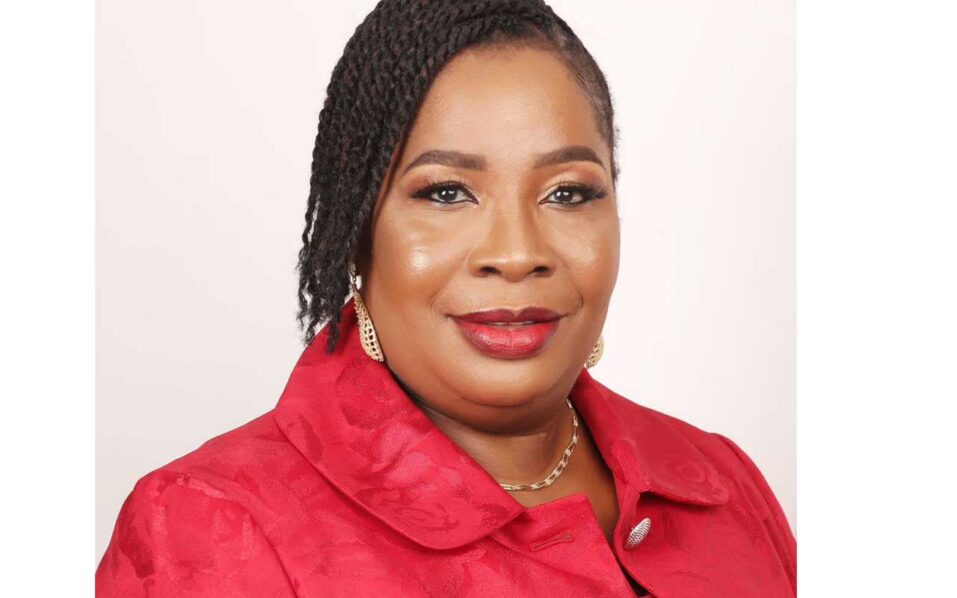
Engr. Margaret Aina Oguntala, FNSE: Woman of substance, icon of engineering excellence
“The whole secret of a successful life is to find out what is one’s destiny to do, and then do it.” – Henry Ford
This profound quote has been the north star guiding Engr. Margaret Aina Oguntala’s remarkable journey to the pinnacle of engineering excellence. As the President of the Nigerian Society of Engineers, Oguntala’s career is a testament to the power of purpose and determination. With a proven track record of exemplary leadership in various engineering bodies, she has earned the respect and admiration of her peers, establishing herself as a trailblazer in her field.
A 1986 graduate of Chemical Engineering from the University of Benin, Oguntala’s path to success has been paved with dedication, hard work and an unwavering passion for engineering. Her ability to excel in diverse roles, from being a certified Environmental Consultant to holding executive and boardroom positions, is a hallmark of her versatility and expertise. As she navigates the complexities of the engineering profession, Oguntala’s leadership style is characterised by a unique blend of technical acumen, strategic vision, and interpersonal skills, making her an exceptional leader and a role model for aspiring engineers. With her visionary leadership and expertise, she is undoubtedly propelling the engineering profession in Nigeria to new heights, fostering innovation and cultivating a brighter future for generations to come.
Engr. Oguntala has carved out a niche for herself in a field that demands both technical expertise and strategic vision. Her disposition to excellence in executive and boardroom positions is evident in her ability to navigate complex organisational dynamics, drive innovation and foster collaborations. This unique blend of skills has enabled her to consistently demonstrate her capacity to think critically, solve problems creatively lead teams to achieve exceptional results.
Her impressive background is further bolstered by Fellowships from some of Nigeria’s most prestigious engineering and management organisations. As a Fellow of the Nigerian Society of Engineers, Nigerian Society of Chemical Engineers, Nigerian Institution of Environmental Engineers, and the Institute of Management Consultants, Engr. Oguntala has demonstrated a deep understanding of the engineering profession and a commitment to upholding its highest standards. These Fellowships are a testament to her expertise, dedication and contributions to the field, and have undoubtedly played a significant role in shaping her career trajectory and informing her leadership style. Through these Fellowships, Oguntala has not only expanded her professional network but also stayed abreast of the latest trends and best practices in her field, enabling her to provide visionary leadership and drive innovation in the engineering profession in Nigeria.
Beyond her technical expertise and leadership prowess, Engr. Margaret Aina Oguntala’s greatest legacy may well be the countless young minds she has inspired and mentored. Her passion for nurturing the next generation of Engineers is palpable, and her advocacy for girls in STEM (Science, Technology, Engineering and Mathematics) education has been a beacon of hope for many young women who aspire to break into the traditionally male-dominated field. Through her tireless efforts, Oguntala has created a ripple effect of empowerment, encouraging young Engineers to pursue their dreams and ambitions with confidence and determination. Her guidance and support have been invaluable to many, providing a safe and supportive space for them to explore their potential.
The seeds of Engr. Oguntala’s remarkable career was sown in the crucible of Nigeria’s National Youth Service Corps programme, where she began her journey as a Youth Corper with North Brewery Limited in Kano. It was here, in the midst of Nigeria’s vast and vibrant north, that she first demonstrated her work ethic and leadership potential, serving as an Operator and Assistant Process Supervisor. That early experience laid the foundation for a career that would be marked by determination, resilience, and a passion for excellence. After completing her service year, Oguntala’s career trajectory continued to ascend, and in 1988, she joined Afro International Enterprises Limited in Lagos as a Chemical Sales Executive. Her star rose rapidly, and she was soon promoted to Marketing Manager, a testament to her business acumen and sales prowess.
However, it was in 1992 that Oguntala took the bold step of entrepreneurship, founding Bamsat Nigeria Limited, a company that would become a testament to her vision, leadership and entrepreneurial spirit. Starting as a chemical sales outfit, Bamsat has grown exponentially under her stewardship, diversifying into environmental consultancy, oil and gas services, as well as fire and safety solutions. Today, the company boasts an impressive client base that includes some of Nigeria’s most prominent organisations such as NNPC, First Bank of Nigeria PLC, Guinness Nigeria PLC and Alaro Free Trade Zone. Through Bamsat, she has not only built a successful business but also created a platform for innovation, job creation and economic growth.
As a seasoned executive, she has carefully curated a portfolio of leadership roles that showcase her versatility and depth of knowledge. At BAMSAT Engineering Limited, she brings her technical acumen to bear as a Partner, driving innovation and growth in the company’s engineering endeavours. Meanwhile, her role as Group Executive Director at Kenol Nigeria Limited has given her a platform to shape strategy and direction, leveraging her business savvy and industry insights to propel the organisation forward. Additionally, her appointment as Board Member at BlackHouse Media underscores her ability to navigate the complex landscape of governance and leadership.
Beyond her corporate roles, her expertise has been recognised and harnessed by various esteemed institutions. As Council Member of the Council for the Regulation of Engineering in Nigeria, she plays a critical role in shaping the profession’s regulatory framework, ensuring that standards are upheld and best practices are promoted. Her membership on the Governing Council of Lagos State Polytechnic and the College Industry Board of Covenant University’s College of Engineering further underscores her commitment to education and industry partnerships. Through these roles, Oguntala is helping to shape the next generation of Engineers, foster industry-academia collaborations and drive innovation that can solve real-world problems.
As the President of the Nigerian Society of Engineers, Engr. Margaret Aina Oguntala is acutely aware of the pivotal role that Engineers play in shaping the nation’s infrastructural landscape. From designing and planning infrastructure projects that meet the needs of communities, to overseeing their construction and maintenance, Engineers are the backbone of Nigeria’s development. They drive innovation and technology adoption, leveraging advancements in materials, construction techniques, and digital technologies to build a better future for the nation. With her extensive experience and expertise, Engr. Oguntala has been championing the development of infrastructure that is not only functional and safe but also sustainable and environmentally friendly.
Before assuming office as the 34th and 1st Female President of the Nigerian Society of Engineers in January 2024, Engr. Oguntala had served in various leadership positions within the structure of the Society. She was elected as Chairman of the Ikeja Branch of NSE from 2009 to 2010. At the national level, she was elected and served as a National Executive Committee member from 2011 to 2013, Vice President from 2014 to 2016 and Deputy President from 2022 to 2023.
Her vision for the engineering profession in Nigeria is one of collaboration and collective impact. She believes that by forming consortia, Nigerian Engineers can pool their resources, expertise and capabilities to bid for government contracts and compete with other firms. This approach would enable them to demonstrate their capacity to undertake large-scale projects and address the infrastructure challenges facing the nation. By working together, engineers can drive sustainable growth and development, and she is at the forefront of this movement. With her leadership, the Nigerian Society of Engineers is poised to play an even more critical role in shaping the nation’s future, and her legacy as a champion of infrastructure development will be cemented for generations to come.
Her influence extends far beyond Nigeria’s borders, resonating with global leaders and innovators in the engineering community. Her keynote address at the 2025 Offshore Technology Conference in Houston, Texas, showcased her vision for aligning African engineering institutions with international standards while nurturing local talent. With a keen understanding of the complexities of local content development and partnership, she outlined practical strategies for curriculum development, industry engagement, accreditation and innovation, emphasising the need to contextualise global best practices to Africa’s unique realities.
Engr Oguntala’s remarkable array of awards serves as a testament to her outstanding leadership abilities, pioneering spirit and unrelenting advocacy for the engineering profession. These accolades have not only cemented her reputation as a luminary but have also ignited a sense of possibility among the next generation of Engineers and leaders. As a revered figure in the engineering community, Oguntala’s enduring legacy continues to galvanise others to pursue excellence, challenge conventional norms, and leave an indelible mark in their respective domains. Her exemplary career trajectory stands as a powerful reminder that dedication, perseverance and an unwavering passion for excellence can yield extraordinary achievements.