Hotel room rates across North America have surged at unprecedented levels ahead of the 2026 FIFA World Cup, with average prices rising 328 percent across 16 host cities, according to a market analysis by The Athletic, the sports publication of The New York Times.
The spike, which triggered immediately after last week’s World Cup draw, signals an aggressive pricing trend that could reshape the event’s financial landscape for fans, local businesses and tourism operators.
The steepest rise was recorded in Mexico City, where the opening match between Mexico and South Africa on June 11 triggered extraordinary rate inflation.
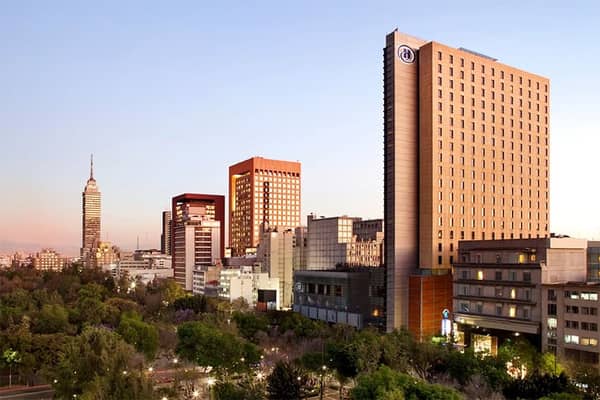
At Le Méridien Mexico City Reforma, room rates leapt from $157 per night in late May to $3,882 during the match window—an explosive 2,373 percent increase, one of the highest ever recorded around a major sports event.
Across six sampled hotels in the city, the average per-night cost rose from $172 to $1,572, an average spike of 961 percent.
Three of the four largest percentage increases across the entire tournament were found in Mexico’s host cities: Mexico City, Monterrey (+466 percent), and Guadalajara (+405 percent).
With the U.S. hosting 75 percent of tournament fixtures, American hotels are experiencing a windfall. Cities seeing the most aggressive hikes include: Houston: +457 percent average; Hilton Houston Plaza up 837 percent, Kansas City:
+364 percent average
Atlanta: +344 percent
San Francisco Bay Area: +342 percent,
New York/New Jersey: +228 percent average.
In the New York–New Jersey market, where Brazil face Morocco on June 13, two hotels near MetLife Stadium posted jumps of 437 percent and 503 percent.
Prices around the World Cup final on July 19 have soared even further, with some hotels now charging over $3,500 per night.
Los Angeles: High Demand Before USA Opener.
Supporters heading to Los Angeles for USA vs Paraguay on June 12 will face an average room price increase of 211 percent, with some premium hotels—such as the Avalon Beverly Hills—posting jumps above 300 per cent.
Canada: A Tale of Two Markets
Toronto remains the most affordable host city with a modest 78 percent increase.
Vancouver, however, tells a different story: room rates for Australia’s June 13 match surged 344 percent, reaching up to $1,759 per night.
Market Dynamics Mirror—or Exceed—Olympic Inflation.
While price surges around major events are common, analysts note that the scale here is exceptional. During the Paris 2024 Olympics, hotel rates increased by 141 percent—less than half of the average inflation tied to the 2026 World Cup.
FIFA, Hotel Chains Decline to Comment
According to The Athletic, FIFA, Marriott, and Hilton did not respond to requests for comment on the pricing strategy, raising questions about consumer protection, market regulation and the potential impact on global fan attendance.
A Booming—but Volatile—Hospitality Market
Economic observers say the price spikes reflect a sharp demand surge, limited supply in key markets, and aggressive revenue optimisation by hotel chains. But they warn the strategy could also backfire if fans begin cancelling travel plans or shifting to alternative lodging such as Airbnb, suburban hotels, or cross-border commuting.