 Follow Us on Google News
 Follow Us on Google Discover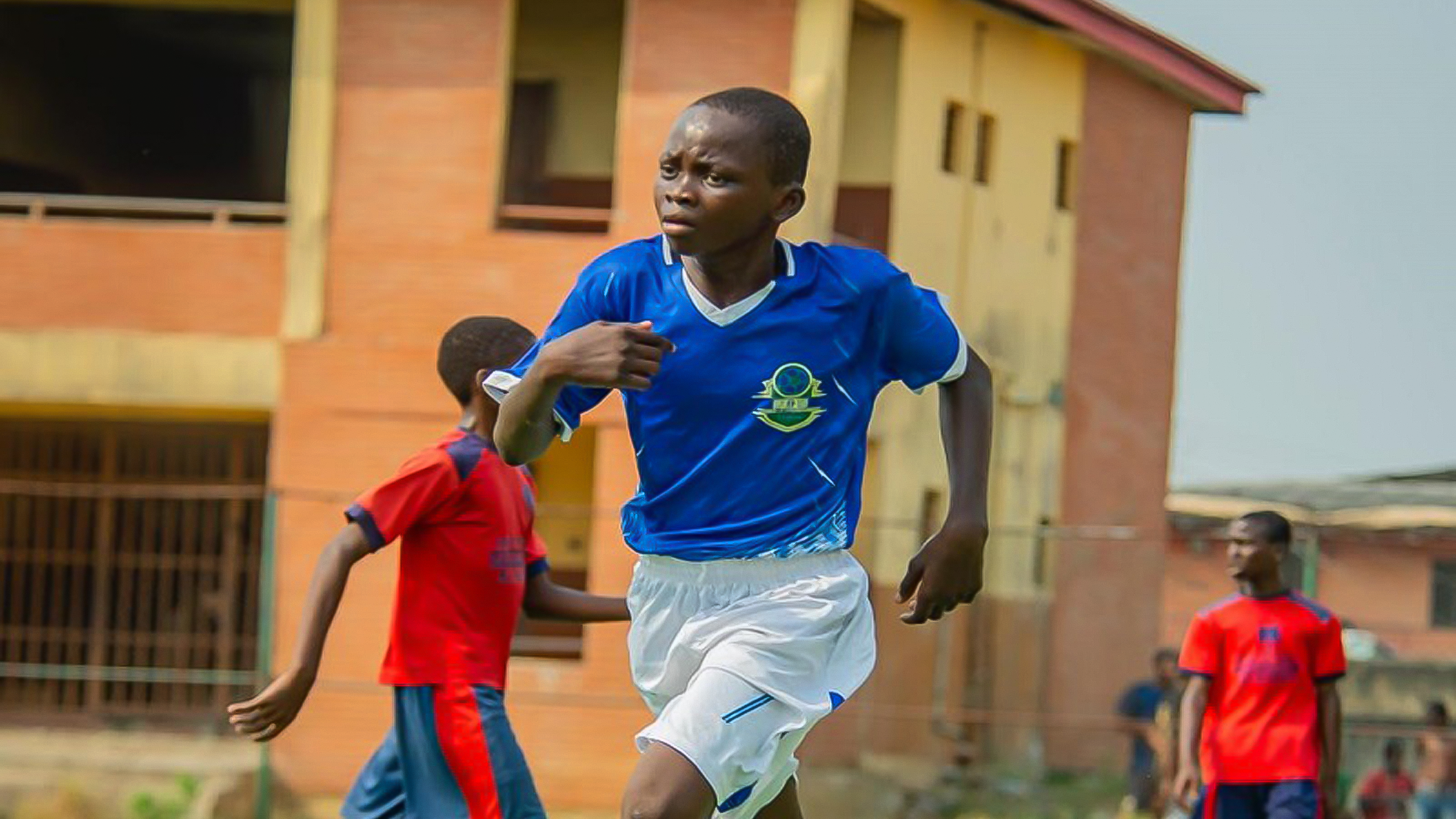
The sun rose over Tolu Schools Complex on Saturday, April 11, 2026, but the true brilliance came from the lush green turf of the New Maracana Sports Complex in the Ajegunle area of Lagos State.
After 10 weeks of drills, discipline, and discovery, the Let Her Play Project reached a rousing climax as 150 young girls showcased their skills — and 30 of them walked off the pitch as the founding squad of the Ajegunle Angels.
Initiated by the Ajeromi-Ifelodun Sports Council and supported by the Nathaniel Idowu Foundation, the project was conceived as a deliberate intervention to open structured football pathways for the girl/child in Ajegunle.
From the first whistle in February to the final ceremony at the weekend, the Council’s vision was clear: the girl child belongs on the pitch, and she belongs in the future of Nigerian sport.
Parents lined the touchlines, many watching their daughters play organised football for the first time. Gasps, cheers, and ululations told the story before any speech did. For two hours, the New Maracana pulsed with quick feet, fearless tackles, and goals celebrated with the pure joy only childhood can produce.
“This is why we started,” said McAnthony Anaelechukwu, Director General of the Ajeromi-Ifelodun Sports Council. “We wanted to give girls in Ajegunle the same structured pathway boys have always had. Today, you saw the result. The essence of the project was achieved.”

The loudest message came from the girls themselves. Microphones went around after the final whistle, and the responses were emphatic.
“I thought I would be shy, but now I can play in front of everybody,” said 13-year-old Chinaza Okafor, a newly selected Ajegunle Angels midfielder. “I’m ready to continue. I want to play for Nigeria one day.”
Fatima Bello, 11, who captained one of the demonstration sides, added: “At first, my brothers said football is not for girls. Now they clap for me. I will keep training. We have coaches who believe in us.”
Blessing Udoh, 13, was even more direct: “They gave us hope and taught us how to be strong. I’m not dropping this. Next year, you will see me again — and I’ll be better.”
The sentiment was unanimous. None of the 150 girls said they were done. They want more training, more matches, and a future in the game.
The project enrolled 150 girls aged nine to 15 from across Ajeromi-Ifelodun and environs. For ten weeks, they trained under seasoned female coaches who taught more than passing and positioning. They taught confidence. They taught teamwork. They taught the girls to own space.

