
 Get Guardian on Google
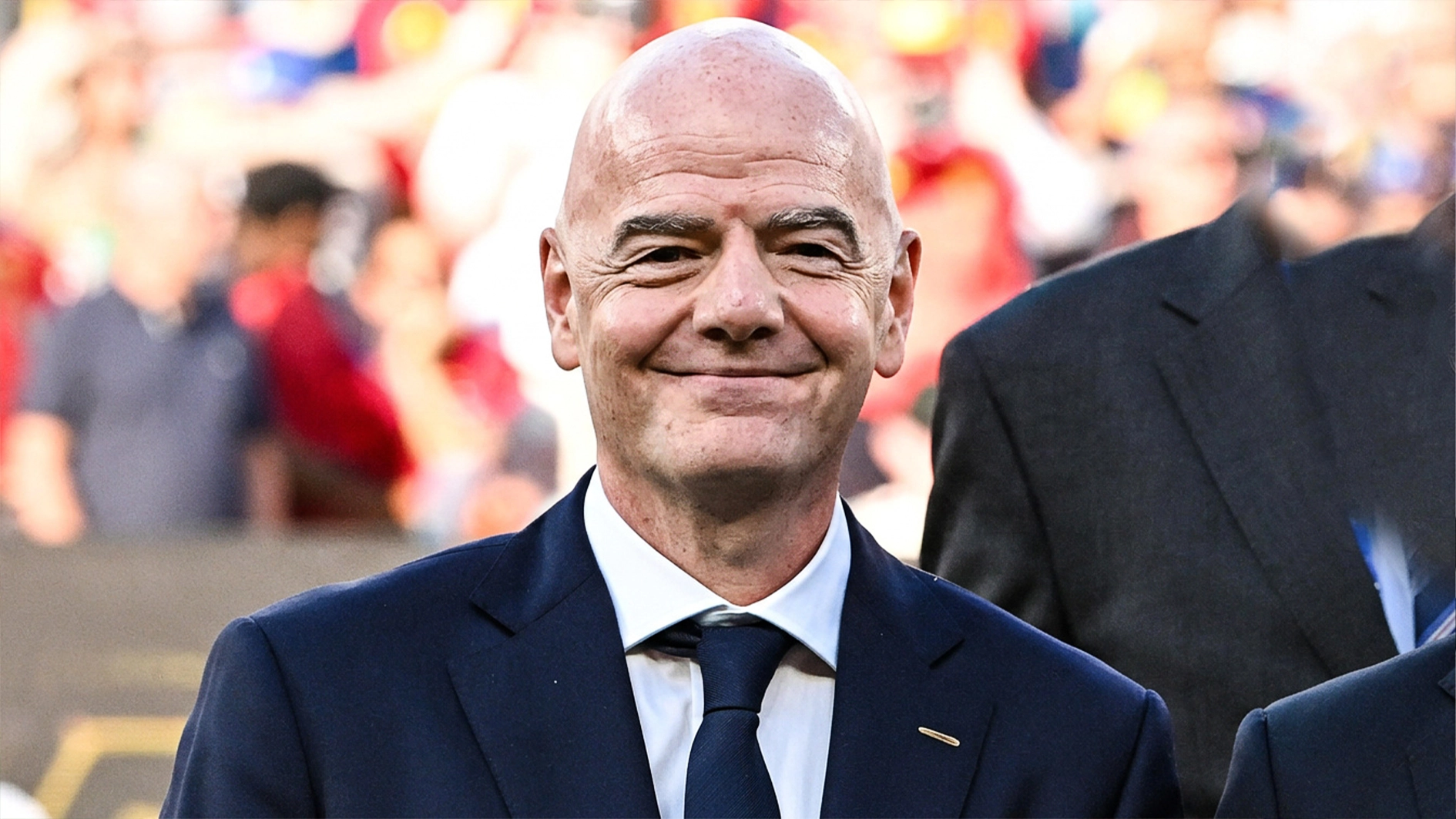
FIFA President Gianni Infantino has said Nigeria is not currently ready to host the FIFA World Cup, citing inadequate infrastructure, including stadiums, hotels, airports and transportation facilities.
Infantino, however, expressed optimism that the country could host the tournament in the future if it invests in critical infrastructure.
He stated this during an interview on Arise Television’s morning show on Monday.
When asked what Nigeria needed to do to become a host nation for a competition of the World Cup’s magnitude, Infantino said: “Today, no. But tomorrow, why not?”
He explained that hosting the World Cup requires substantial investment in infrastructure, particularly stadiums, accommodation, airports and an efficient transportation system.
“The key for hosting a World Cup is obviously the infrastructure, the stadiums, the hotels, the airports, transportation. And this is where the investment is really necessary,” he said.
The FIFA president, however, noted that Nigeria had the resources, passion for football and determination to develop the facilities required to host major international competitions.
“A country like Nigeria definitely has the resources, has the passion, has the will as well to move ahead,” he said.
Infantino disclosed that he had visited some ongoing projects in the country, including a national training centre under construction in Abuja, adding that the infrastructure being planned could support Nigeria’s ambition.
His comments come as Morocco prepares to co-host the 2030 FIFA World Cup alongside Spain and Portugal, marking the return of the competition to Africa after South Africa hosted the 2010 edition.
On FIFA’s investment in African football, Infantino announced plans to invest $25 million in each African country, alongside additional funding for the Confederation of African Football (CAF) and regional football zones.
According to him, the investments would amount to more than $1.5 billion over four years and support the development of technical centres, stadiums, competitions and youth programmes.
“With these investments, we can give every African country a possibility to compete. Not at equal level with those who have hundreds of millions, of course, but at least to come a step closer in narrowing this gap,” he said.
Infantino also praised Nigeria’s Flamingos for winning the FIFA Under-17 Women’s World Cup, describing their achievement as a source of pride for the country and African football.
He said the victory demonstrated the benefits of investment in grassroots football and the development of women’s competitions.
The FIFA president further defended the expansion of the men’s World Cup from 32 to 48 teams, saying the 2026 edition had demonstrated the potential of more countries to compete at the highest level.
He cited Cape Verde’s participation as an example, noting that the country had made history by qualifying for the tournament despite its relatively small population.
On the possibility of expanding the competition to 64 teams, Infantino said he was not yet convinced whether such a move would be better but would discuss the proposal with FIFA member associations.