 Follow Us on Google News


 Follow Us on Google Discover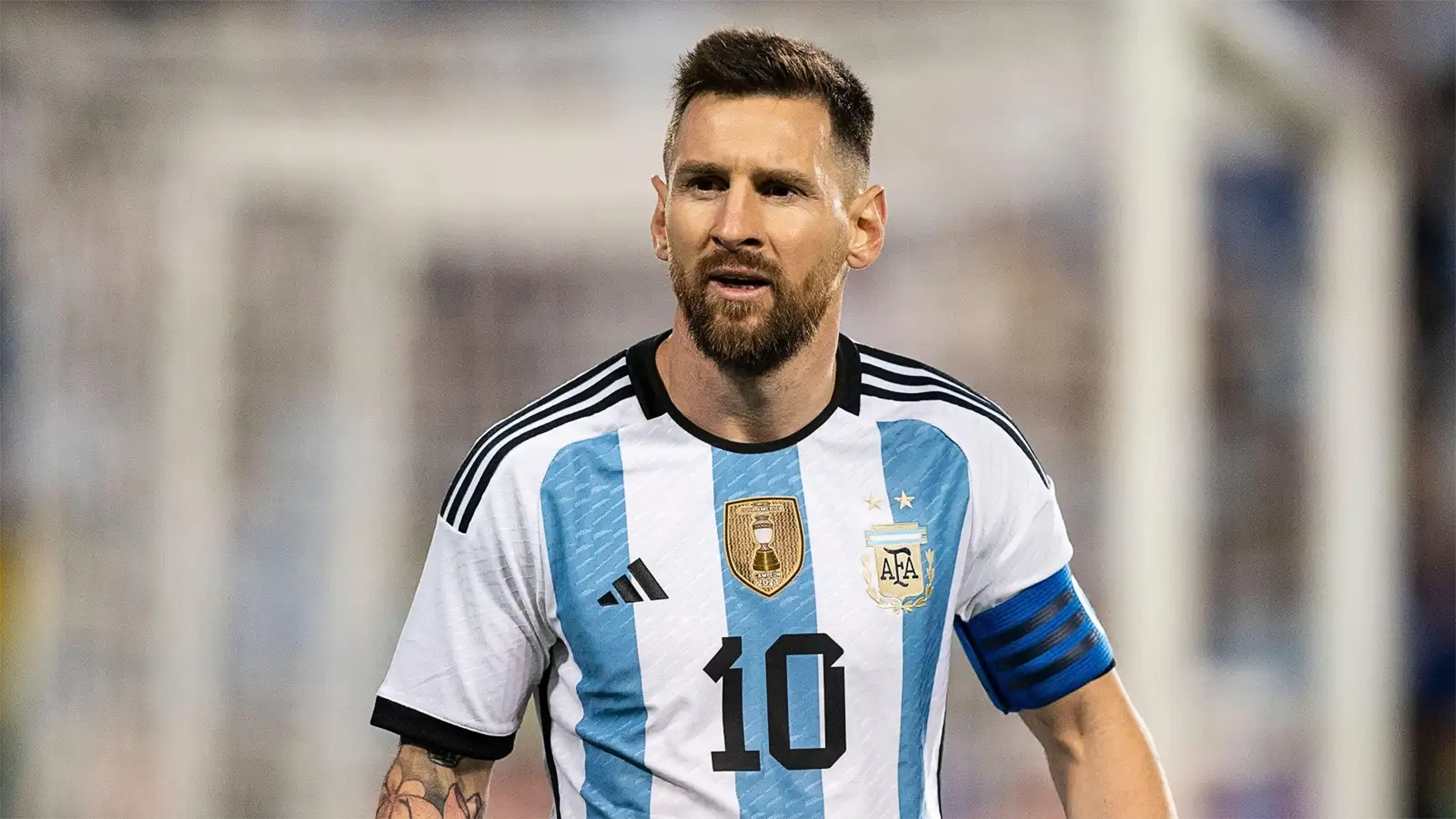
United States-based former Super Eagles player, Paul Okoku, has revealed why Argentina’s supporters celebrated Lionel Messi despite their defeat to Spain in the 2026 FIFA World Cup final.
“There are football matches that produce champions, and there are football matches that produce history,” Okoku wrote to The Guardian. “The 2026 FIFA World Cup Final gave the world both.”
“Spain deservedly lifted the 2026 FIFA World Cup after a superb collective performance against Argentina. Their victory was fully earned. Yet when the final whistle faded and the celebrations began, another story captured the hearts of millions around the world. It wasn’t about the champions. It was about Lionel Messi.
“Lionel Messi stood before thousands of Argentina supporters. The World Cup had slipped away. The dream of defending Argentina’s crown had ended. As the supporters sang his name, Messi appeared visibly emotional, acknowledging the fans who continued celebrating him despite defeat. That moment said as much about football as the final score itself. It also raised an important question.
“Why would supporters celebrate a captain who had just lost the biggest match in world football?
“The answer has very little to do with one evening in New Jersey. It has everything to do with an extraordinary career. For nearly two decades, Messi has carried expectations that few athletes in history have experienced. Every tournament was expected to end with victory. Every defeat became a debate about legacy. Every performance was measured against perfection. Very few athletes live under those conditions.

Even fewer continue performing at the highest level while carrying them.
“When Messi left European football to join Inter Miami in 2023, many observers believed they were witnessing the closing chapter of one of football’s greatest careers. The criticism was predictable. Some argued that Major League Soccer could not provide the competitive environment needed to remain among football’s elite. Others questioned whether age and a different league would eventually reduce Messi’s effectiveness on the international stage.
“The 2026 FIFA World Cup offered a powerful response. At 39 years old, Messi remained one of the tournament’s most influential attacking players. He continued creating opportunities, leading Argentina’s attack and demonstrating that football intelligence often becomes even more valuable as physical attributes naturally evolve. Greatness had not disappeared. It had adapted. That adaptation deserves recognition because football history is filled with gifted players whose physical decline ended their influence. Messi chose another path. He became more selective. More patient. More economical. He no longer needed to dominate every minute of every match. Instead, he looked for the decisive moment—the pass, the movement, the touch that could change the game. That is not decline. That is experience transformed into football intelligence.”
Okoku, a football analyst continues: “Yet football has always remained the ultimate team sport. One player can inspire. One player can score. One player can change momentum.
One player cannot defeat an entire team performing collectively at an elite level. That reality defined the World Cup Final. Spain did not merely defend well. They controlled the game. Their midfield established the rhythm. Their positioning denied Argentina time and space. Their pressing limited opportunities before they could develop. Every phase of Spain’s performance reflected preparation, discipline and mutual understanding.
“The statistics reflected what the eye could already see. Argentina struggled to create meaningful attacking opportunities during regulation, while Spain consistently controlled possession and dictated where the match would be played.That distinction matters.
“When supporters search for someone to blame after defeat, football often reminds us that responsibility is rarely carried by one player alone. Captains influence matches. They do not control every pass, every tactical adjustment or every movement made by 22 players on the field. Messi could lead. He could inspire. He could create. He could not overcome an entire Spanish team functioning as one.
“As a former international midfielder, I have always believed that the midfield tells the real story of a football match. Goals complete the story. Midfield writes it. Spain won the midfield. Once that happened, every other part of the game became significantly more difficult for Argentina. That reality should not diminish Messi. If anything, it highlights how unrealistic modern football expectations have become. We often expect legendary players to perform miracles simply because they are legends. Football has never worked that way.
“Pele needed teammates. Maradona needed teammates. Cristiano Ronaldo needed teammates. Messi is no different. Perhaps that is why the image of Argentina’s supporters singing his name resonated so deeply. Those supporters understood something many critics forget.
“Legacy is not built on one evening. It is built over a lifetime. And sometimes the greatest tribute supporters can offer is not applause after victory. It is unwavering appreciation after defeat. The emotional scenes that followed the final whistle also reminded us of something else.
“Football supporters understand sacrifice.They understand commitment. They understand what it means for a player to dedicate an entire career to representing a nation with dignity. That is why thousands continued singing Messi’s name. They were not celebrating defeat. They were expressing gratitude. They understood that one final could never erase nearly two decades of extraordinary service, unforgettable performances, and countless moments of joy.
“Supporters often see something statistics cannot measure. They recognise character. They recognise loyalty.They recognise a player who has consistently answered his country’s call, accepted enormous expectations, and continued performing under pressure that very few athletes in history have experienced.
“That is why Messi’s emotional response resonated with millions around the world. It was not simply the reaction of a footballer who had lost a final. It was the response of a captain realising that the relationship between himself and his supporters had grown beyond trophies.That relationship may ultimately become one of the defining chapters of his legacy.
“Football, however, should never ignore the tactical lessons of the final. Spain did not become world champions by accident. They earned their victory through superior collective football. Their midfield dictated the tempo.Their defensive organisation denied Argentina space between the lines. Their pressing prevented sustained attacks from developing. Their movement without the ball continually created passing options, while Argentina struggled to establish rhythm and momentum,” Okoku, who is FIFA Legend and Vice Captain of 1983 Flying Eagles squad, stated.

