 Follow Us on Google News
 Follow Us on Google Discover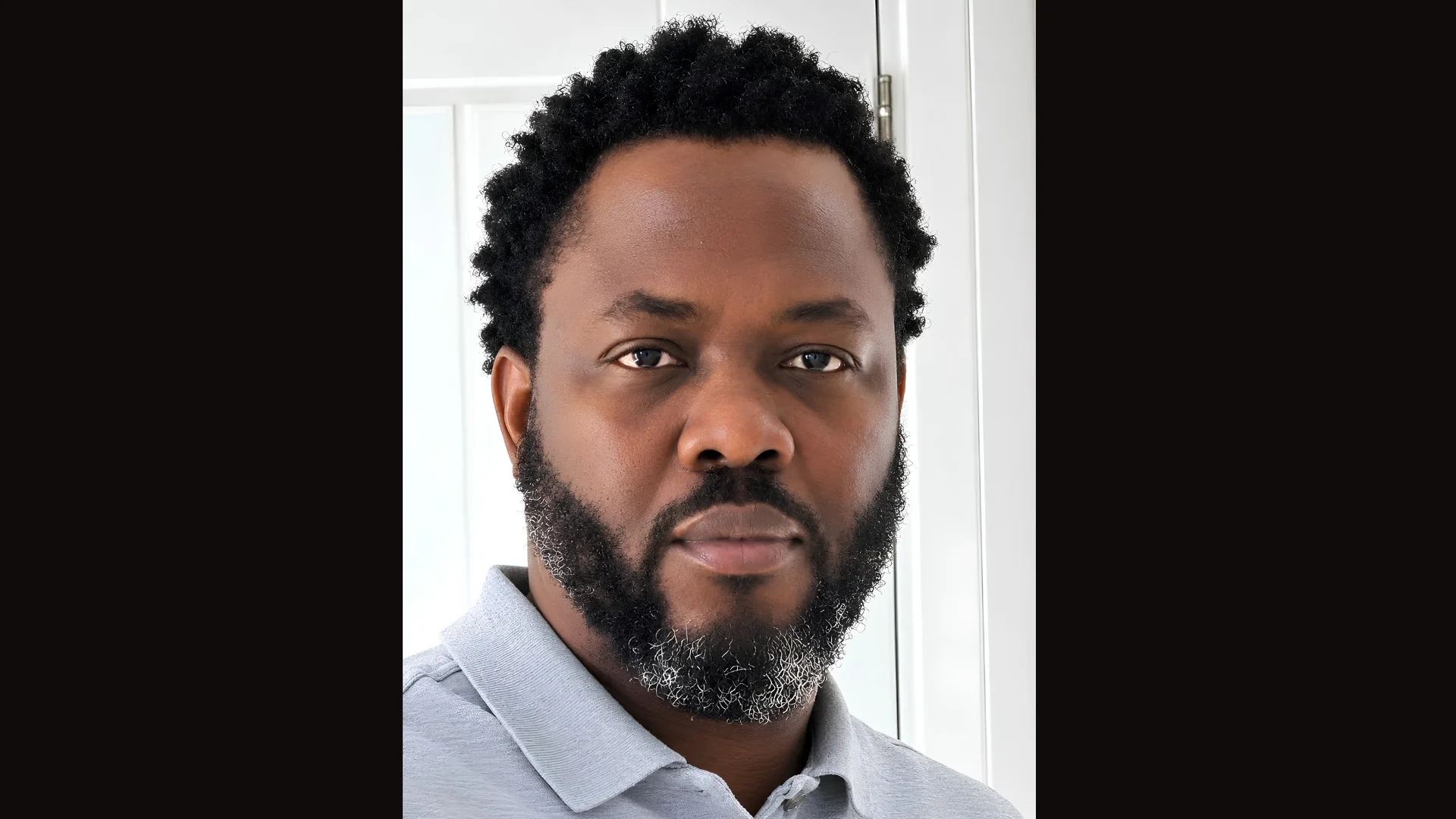
Founder and Product Owner of Excluvia, Kanyin Palmer, has called for greater financial opportunities for African content creators, arguing that the continent’s growing digital influence should translate into more sustainable income for those producing content and building online communities.
Palmer said the expansion of Africa’s creator economy had created opportunities for individuals to reach audiences across borders, but maintaining control over the commercial value generated by their work remained a challenge.
According to him, the conversation around digital content creation should extend beyond follower numbers, views and engagement to include ownership, direct audience relationships and access to reliable payment systems.
“African creators are already creating enormous value through the audiences and communities they build. The next step is making sure more of that value returns to the people creating it,” Palmer said.
He explained that although social media platforms had made it easier for creators to build visibility, attracting an audience did not automatically guarantee consistent earnings.
For many creators, income depends on advertising revenue, sponsorship agreements and occasional commercial partnerships, which may not provide predictable financial returns.

Palmer maintained that creators needed access to additional ways of generating income from their skills, knowledge and relationships with audiences.
The Excluvia founder argued that African creators should increasingly view their activities as businesses capable of generating income through multiple channels.
He said creators who had developed audiences around particular subjects, skills or interests could explore paid subscriptions, digital products, educational content and direct community support.
“The talent was never the problem. The plumbing was. We built the plumbing,” Palmer said.
His comments reflect the thinking behind Excluvia, a creator-economy platform he established in 2025.
According to the company, the platform combines subscriptions, digital products, online courses, livestreaming and virtual gifting within a single creator account.
The arrangement is intended to allow users to develop different revenue streams without relying exclusively on advertising or individual brand partnerships.
Palmer said the ability to offer paid services and products directly to an existing audience could help creators build more sustainable commercial relationships.
He argued that individuals with specialised knowledge or highly engaged communities should not necessarily have to achieve widespread online popularity before earning from their work.
“Creators should not have to wait until they become internet celebrities before they can start earning. If people already value what you create, there should be practical ways to turn that relationship into income and build from there,” he said.
Beyond monetisation, Palmer identified ownership of audience relationships as another important issue in Africa’s digital economy.
He said creators needed greater control over how they interact with subscribers and develop commercial activities around their content.
“Ownership is not only about having followers. It is about having a direct relationship with the people who value your work and being able to build income around that relationship on your own terms,” he said.
According to Excluvia, its platform enables creators to establish communities, provide paid access to content and sell products through a shared digital environment.
The company said this model was intended to help creators maintain direct commercial relationships with their audiences while reducing dependence on a single source of income.
However, the extent of creator ownership ultimately depends on factors such as platform terms, access to subscriber information, payment arrangements and the ability to transfer audience relationships between services.
Palmer also highlighted payment infrastructure as an important consideration for African creators seeking to reach audiences outside their home countries.
Excluvia said its platform supports payments in several currencies, including the naira, pound sterling, United States dollar and euro.
The company added that Nigerian creators could receive earnings directly into local bank accounts in naira.
According to Palmer, providing different payment options is part of efforts to reduce barriers that may prevent creators from earning from international audiences.
The platform also incorporates livestreaming and virtual gifting, allowing audiences to provide financial support during live sessions.
Excluvia said those features were connected to its subscription, digital product and community services, enabling creators to maintain relationships with supporters beyond individual broadcasts.
The company maintained that creators with smaller but engaged audiences could also benefit from direct monetisation opportunities.
Palmer said the emphasis should be on the value audiences receive rather than the number of followers a creator has accumulated.
Excluvia disclosed that it had recorded more than 30,000 platform registrations since its establishment in 2025.
The company said its services were available through the web and mobile applications on iOS and Android.
It added that it was developing its presence in Nigeria while considering opportunities for expansion into other African markets.
The reported registration figure was provided by the company and has not been independently verified.
Excluvia also said its business model was structured to allow creators to retain a substantial share of revenue generated through content, subscriptions, products and live interactions.
However, the company did not provide the precise revenue-sharing percentages, applicable platform charges or average creator earnings in the information released.
Those details would be important in assessing the financial implications of the model for creators.
Palmer argued that the future of Africa’s creator economy would depend not only on the number of people producing digital content but also on their ability to develop financially sustainable businesses.
He said creators were already building communities, sharing knowledge and influencing consumer behaviour across different markets.
The next challenge, according to him, was ensuring that the economic benefits associated with those activities were more accessible to the individuals generating the value.
His position places greater emphasis on recurring income, direct audience support and the commercial use of specialised knowledge.
For creators, however, developing sustainable earnings may also require attention to production costs, audience demand, pricing, platform fees and the consistency of paid subscriptions or product sales.
Palmer maintained that providing creators with more monetisation options could help strengthen their position within the wider digital economy.
For Excluvia, he said, the objective was to support a system in which African creators could exercise greater control over their content, communities and earnings.
The broader challenge for the industry, he suggested, was moving from a model that primarily rewards online visibility to one that also enables creators to capture more of the economic value their work produces.

