
 Get Guardian on Google
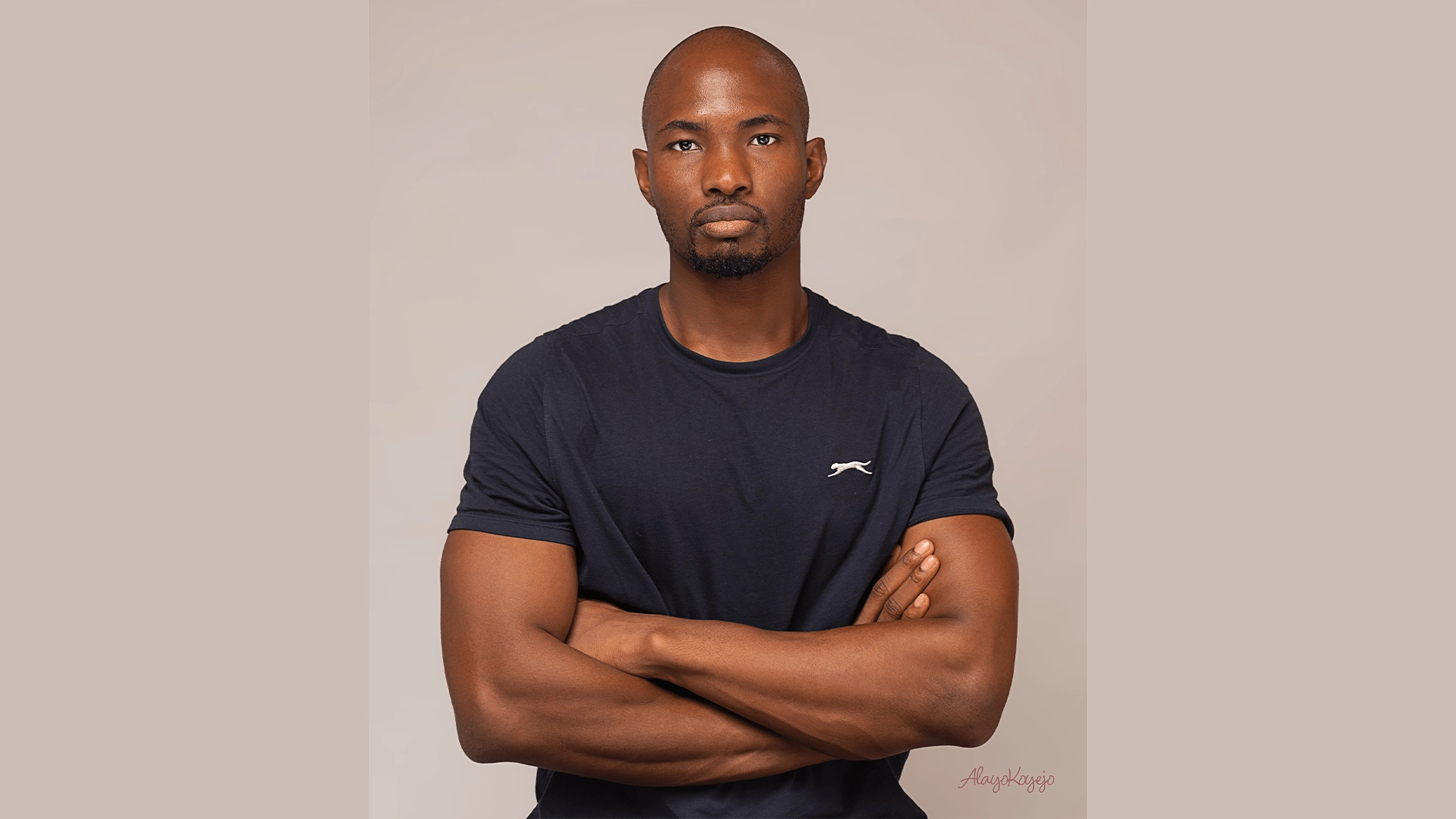
A degree in Petroleum Engineering was supposed to lead him into the oil and gas industry. Instead, a series of career decisions, professional setbacks and opportunities he had not anticipated took him into software engineering, international technology teams and the emerging field of artificial intelligence.
For the Nigerian engineer, the transition was not the result of a carefully mapped career plan. It developed gradually through curiosity, self-directed learning and a willingness to explore opportunities beyond his original professional ambitions.
After graduating in 2016, he spent the next few years navigating the early stages of his career while exploring opportunities in the petroleum industry. Between 2016 and 2020, he worked at MOJEC before joining Reliance Infosystems in 2021, where he worked with Microsoft Dynamics 365 and Power Platform.
That experience introduced him to the wider technology industry and opened a new professional direction.
He began learning JavaScript and React, developing an interest in how software products are built and how technology can address practical problems. In 2022, he joined Softcom as a product engineer working on KwikSell, where he gained experience building production software, developing customer-facing features and integrating application programming interfaces with product requirements.
What initially appeared to be an alternative career path gradually became his primary professional interest.

From writing code to solving engineering problems
A subsequent move to Andela, the global technology talent network, expanded his exposure to international engineering teams and complex software projects.
Through engagements facilitated by the network, he worked with distributed teams supporting international businesses, including a California-based neurotechnology company and a technology platform within a major global pet-care business.
His responsibilities expanded beyond frontend development to include platform engineering, experimentation, analytics, privacy and consent, e-commerce and backend integrations.
Some of his work involved consolidating technology platforms serving the United States and United Kingdom markets, improving customer-journey measurement and building infrastructure to support product teams and their users.
The experience also changed his understanding of what professional growth in software engineering entails.
Rather than measuring progress solely by programming skills or familiarity with new technologies, he began to focus on taking ownership of complex problems, understanding business requirements, making technical decisions and collaborating with teams across different functions.
For him, engineering increasingly became about understanding how individual technical decisions affect the wider product, the business and its customers.
However, the progression was not without uncertainty. Like many technology professionals, he experienced layoffs and unexpected career changes that required him to reassess his next steps.
Those setbacks reinforced the need to continue learning and adapt as the industry changed.
Instead of treating his existing experience as sufficient, he continued exploring emerging technologies, eventually turning his attention towards artificial intelligence.
Exploring artificial intelligence through open source
Towards the end of 2025, he began working more closely with artificial intelligence integrations and the Model Context Protocol (MCP), a framework that enables AI applications to connect with external tools and data sources.
His initial exploration developed into contributions to open-source projects within the MCP ecosystem. According to his account, several of his technical contributions were reviewed and merged into official open-source repositories.
The work marked another stage in his professional development: moving beyond implementing existing technologies to contributing to projects involved in the development of emerging AI infrastructure.
Open-source development also provided an opportunity to participate in a wider technical community, where developers can collaborate on shared tools, review one another’s work and improve software used by other practitioners.
His involvement in the ecosystem reflects an area of interest that has increasingly shaped his career: understanding new technologies by building with them, contributing to their development and sharing practical knowledge with others.
Taking technical knowledge beyond the workplace
In May 2026, he was invited to speak at a Cursor technology meetup at the University of Lagos, where the event attracted more than 500 attendees, according to the information provided for this profile.
His presentation, titled Building an MCP Server and Integrating with ChatGPT, introduced developers to the process of building tools that allow AI assistants to interact with external systems and data.
The session provided an opportunity to explain practical applications of MCP to an audience exploring new possibilities in software development and artificial intelligence.
His participation also reflected a growing interest in sharing knowledge beyond the immediate demands of his professional engagements.
For him, building software is only one way to contribute to the technology ecosystem. Open-source participation, technical presentations and engagement with other developers offer additional opportunities to share experience and help others navigate a rapidly changing industry.
That interest has since extended beyond professional developers to younger Nigerians who are still considering their future careers.
Introducing secondary-school students to technology and AI
In October 2026, he visited Cifman College in Lagos to speak with secondary-school students about career opportunities in technology and how to prepare for a future increasingly influenced by artificial intelligence.
The session, titled Choosing a Career in Technology and Preparing for the Future of AI, introduced students to fields including software engineering, cybersecurity, design, data and artificial intelligence.
It also explored practical skills students could begin developing while still in school and the importance of using AI responsibly and productively.
The visit carried personal significance because his own career trajectory had not followed the path he initially expected.
As a secondary-school student, he had not anticipated becoming a software engineer. Even after graduating from university, he expected to establish himself in the oil and gas industry.
His experience has since given him a different perspective on career planning, particularly the importance of exposing young people to opportunities they might not otherwise consider.
By sharing his journey with students, he hopes to help them understand that professional interests can evolve and that a person’s first career choice does not necessarily determine the course of their working life.
The engagement also reflects his interest in making technology education more accessible, particularly as AI tools become increasingly relevant to education, work and everyday problem-solving.
A career shaped by reinvention
His journey from Petroleum Engineering to software development, international engineering work and AI-related open-source contributions illustrates how professional careers can evolve through experience rather than follow a predetermined route.
It also highlights the challenges that can accompany such transitions, including uncertainty, layoffs and the need to acquire new skills while remaining professionally relevant.
For Nigerian technology professionals, his experience offers a perspective on participating in global technology projects while building a career from Nigeria. His work with distributed teams, contributions to open-source projects and involvement in developer events demonstrate different ways professionals can engage with international technology communities.
The next stage of his journey appears to extend beyond individual career advancement. By combining engineering work with open-source participation and engagement with younger students, he is exploring how professional experience can be translated into wider contributions to the technology ecosystem.
His story is therefore not simply about an engineer who left one industry for another. It is about the decisions, setbacks and continuing education involved in building a new professional identity, and the responsibility he has come to associate with that experience: helping others discover possibilities that were not obvious to him at the beginning of his own journey.