 Follow Us on Google News


 Follow Us on Google Discover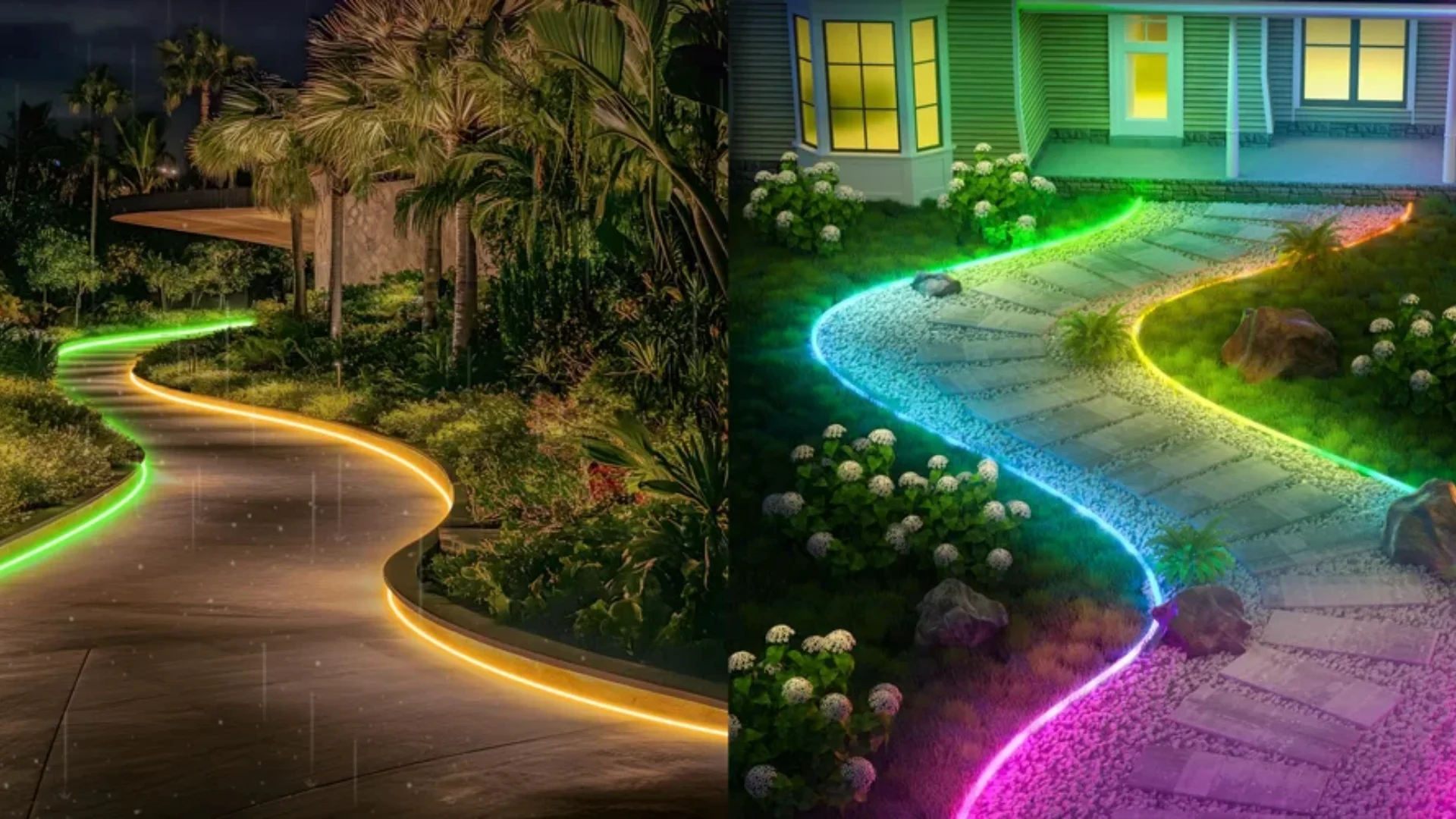
Outdoor lighting plays an important role in modern architecture, commercial construction, and public infrastructure. From illuminating building facades and walkways to enhancing gardens, signage, bridges, and hospitality spaces, LED strip lighting offers designers considerable flexibility. However, outdoor installations face challenges that indoor lighting systems rarely encounter. Rain, humidity, dust, temperature fluctuations, and direct sunlight can all affect lighting performance.
Waterproof LED strip technology addresses many of these challenges by protecting sensitive electrical components from environmental exposure. When properly selected and installed, these lighting systems can provide dependable illumination while reducing maintenance requirements and supporting creative outdoor designs.
For contractors, architects, distributors, and commercial buyers, understanding waterproof protection is essential when specifying lighting for demanding environments.
Understanding Waterproof LED Strip Technology
Waterproof LED strips are designed with protective materials and construction methods that help prevent moisture and other environmental contaminants from reaching their electrical components.
Depending on the product, protection may involve silicone coatings, protective tubes, sealed housings, or specialized encapsulation. These methods create barriers around the LED chips and circuit board, helping the strip withstand conditions that could damage an unprotected lighting system.
However, not all waterproof LED strips provide the same level of protection. Buyers should evaluate the product’s Ingress Protection (IP) rating and confirm that it matches the intended installation environment.

Choosing an appropriate product from a reliable waterproof led strip wholesale supplier can help contractors find lighting solutions suited to their project’s environmental requirements.
Why Outdoor Environments Require Additional Protection
Outdoor lighting systems are exposed to several environmental stresses that can affect their performance and lifespan.
Rain and Moisture
Rainwater can enter inadequately protected lighting components, potentially causing corrosion, electrical faults, or premature failure. High humidity and condensation can also create problems, particularly when temperature changes cause moisture to accumulate inside poorly sealed installations.
Waterproof construction helps reduce these risks by limiting the entry of water into sensitive components.
Dust and Environmental Contaminants
Outdoor installations frequently encounter dust, dirt, sand, and airborne particles. These contaminants can accumulate on lighting surfaces and may interfere with electrical components if they penetrate the protective enclosure.
Appropriate ingress protection helps prevent environmental particles from reaching vulnerable areas.
Temperature Fluctuations
Outdoor LED strips may experience hot summer conditions, cold winter temperatures, and rapid changes between daytime and nighttime environments.
These variations can place stress on circuit boards, adhesives, protective coatings, and electrical connections. Selecting products rated for the expected operating conditions is therefore essential.
Understanding IP65 and IP68 Protection Ratings
Ingress Protection ratings provide useful information about a product’s resistance to solid particles and water. The first digit refers to protection against solid objects, while the second indicates protection against water.
IP65 Protection
IP65-rated products are protected against dust ingress and water projected from a nozzle under specified test conditions.
This level of protection may be appropriate for certain outdoor architectural features, covered walkways, signage, and other installations exposed to rain or occasional water spray.
However, IP65 protection does not mean that a lighting product is suitable for continuous immersion.
IP68 Protection
IP68 products are designed for protection against dust and immersion in water under conditions specified by the manufacturer.
Dekingled’s technical information describes an IP68 waterproof LED strip designed to remain protected at a depth of three meters under its stated conditions.
This illustrates how higher protection levels can support specialized applications where substantial water exposure is expected. Buyers should still confirm the product’s specific immersion limits, installation requirements, and applicable test conditions before using it underwater.
Maintaining Reliable Illumination in Demanding Conditions
Waterproofing is only one part of a dependable outdoor lighting system. Consistent illumination also depends on electrical design, thermal management, component quality, and appropriate installation.
A well-designed LED strip should deliver the required brightness without excessive heat buildup or electrical instability.
For long outdoor installations, voltage drop also deserves attention. When voltage decreases along a strip, LEDs farther from the power source may appear dimmer than those closer to it.
Using an appropriate voltage system, calculating the electrical load correctly, and following the manufacturer’s recommended power-feed arrangements can help maintain more uniform illumination.
The Importance of a Compatible Power Supply
Even a waterproof LED strip can experience problems if its power supply is unsuitable for the installation.
Outdoor lighting projects require power supplies that match the LED strip’s input voltage, wattage, current requirements, and operating environment. Where equipment may be exposed to moisture, the power supply and its connections must also have appropriate protection.
Working with a dependable LED Power Supply manufacturer helps buyers identify compatible electrical components and understand their installation requirements.
Contractors should verify the power supply’s environmental rating separately from the LED strip’s rating. A waterproof strip does not automatically make the complete lighting system waterproof.
Proper cable glands, sealed connectors, suitable enclosures, and correctly installed joints are also important for protecting the entire system.
Design Flexibility for Outdoor Architecture
Waterproof LED strips allow designers to introduce continuous lighting into outdoor spaces without relying exclusively on conventional rigid fixtures.
They can be incorporated into building outlines, landscape features, outdoor signage, covered seating areas, and decorative architectural details.
Flexible LED strips are particularly useful where lighting must follow curves, narrow channels, or customized structures.
For example, Dekingled offers LED strip products with IP65 and IP68 protection options within its range. Selecting between these options according to the exposure conditions allows buyers to match lighting products to specific project requirements.
The key is to consider the complete installation rather than choosing a product based on its waterproof rating alone.
Reducing Maintenance and Lifecycle Costs
Maintenance can become expensive when lighting is installed across large outdoor areas, elevated facades, or difficult-to-access architectural features.
Replacing damaged strips may require specialized equipment, labor, and temporary disruption to business operations.
Appropriate waterproof protection can reduce the likelihood of moisture-related failures and help extend the useful service life of an installation. This can contribute to lower maintenance costs over time.
Nevertheless, waterproofing does not eliminate every potential failure. LED chips, power supplies, adhesives, connectors, and control systems all have their own operating limits and service requirements.
Commercial buyers should therefore evaluate product quality, warranty coverage, installation conditions, and expected maintenance needs together.
What Contractors and Buyers Should Check Before Purchasing
Before specifying waterproof LED strips for an outdoor project, professionals should review several important factors.
First, identify the actual environmental exposure. A strip installed beneath a covered canopy may have very different requirements from one installed near a swimming pool or in a location subject to immersion.
Second, confirm the IP rating and the manufacturer’s stated test conditions. The rating should correspond to the real installation environment.
Third, check the operating temperature range, input voltage, power consumption, cutting instructions, and installation accessories.
Finally, ensure that the power supply, connectors, wiring, and mounting arrangements are suitable for outdoor use.
These checks help prevent compatibility issues and reduce the risk of premature system failure.
How Dekingled Supports Outdoor Lighting Projects
Established in 2014, Dekingled provides LED lighting products for a range of applications, including architectural and decorative installations.
Its product information includes waterproof LED strip options, giving contractors and distributors choices for projects with different environmental requirements.
The company also identifies technical support, fast delivery, cost-effective solutions, and product quality as service advantages.
For B2B buyers, access to clear product specifications and technical guidance can help simplify product selection, procurement, and installation planning.
As with any manufacturer, buyers should confirm that the particular product selected meets the project’s electrical, environmental, and regulatory requirements.
Conclusion
Waterproof LED strip technology helps outdoor lighting systems withstand exposure to rain, moisture, dust, and other environmental challenges. By selecting an appropriate IP rating and considering factors such as temperature, voltage drop, power supply compatibility, and installation quality, professionals can create outdoor lighting systems that deliver dependable performance.
For contractors, architects, distributors, and commercial buyers, working with a reliable waterproof LED strip wholesale supplier can simplify product selection, while choosing a compatible power supply helps support the complete system’s reliability.
Dekingled offers waterproof LED strip options alongside technical support and other services for lighting projects. With careful product selection and correct installation, waterproof LED technology can help transform outdoor spaces while supporting durability, visual quality, and long-term value.

