 Follow Us on Google News


 Follow Us on Google Discover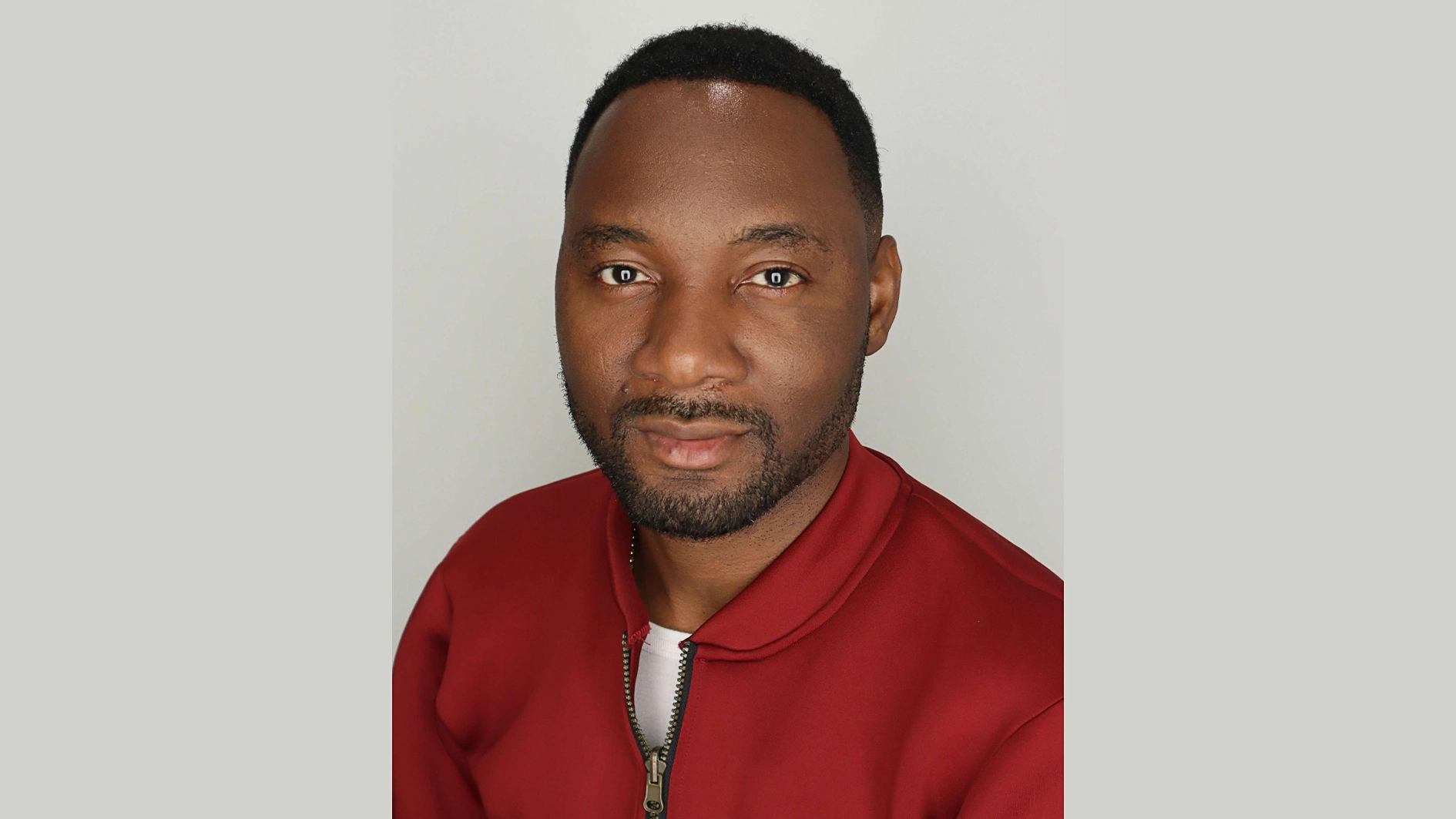
In an era where Artificial Intelligence (AI), Machine Learning (ML), Data Analysis, and Blockchain technologies are redefining industries, one name continues to emerge as a thought leader shaping the future of sustainable businesses, healthcare, and environmental systems—Ifeanyi Kingsley Egbuna.
His trajectory, from higher education to research and tech, reflects not only exceptional talent but also a rare ability to translate cutting-edge analyses into real-world solutions with measurable impact. Ifeanyi’s professional and academic work demonstrates how AI, Blockchain, and Data Analysis can jointly accelerate the transition to resilient healthcare systems and environmentally sustainable global supply chains. In recognition of these contributions, professional and academic journals have invited him to review manuscripts which positioned him as an authority at the convergence of data-driven decision-making, sustainability, and technological innovation.
“My professional journey has always been about bridging theory and practice. My focus on the intersection of data, technology, and AI taught me how predictive models, using comprehensive datasets, can detect patterns. I extended that philosophy—using AI and Analytics to optimize systems and improve ROI. The common thread is data-driven innovation,” explains Ifeanyi.
“So, I wanted to apply these tools to even bigger challenges: healthcare sustainability, environmental modeling, and global supply chain resilience. These were achievable through empirical extensions of my works, translating lessons from industry and academia into Environmental, Social, and Governance (ESG) frameworks that guide universal transformation.”
At his current organization, Ifeanyi led innovative projects that integrated advanced analysis into product and marketing strategies. His ability to create and utilize financial modeling, scenario analysis, and predictive analytics boosted ROI by 18% and accelerated substantial revenue growth across two newly launched product lines. He became a critical voice in aligning organizational growth strategies with viable practices, ensuring that metrics-based insights shaped both profitability and long-term resilience.
At his previous role, Ifeanyi pioneered systems data analysis that uncovered over $1 million in process waste. His predictive modeling and machine learning techniques not only eliminated process variation and defects but also influenced broader regulatory structures, reducing operational risks by 15%. Recognized as an outstanding analyst by peers and associations, Ifeanyi’s reputation for data analysis process reproducibility and scalability quickly spread across the professional community.

His influence extends well beyond organizations. Through academic collaborations, and peer review engagements, he has contributed to the growing body of knowledge in Artificial Intelligence, Machine Learning, Blockchain, and Data Analysis. Ifeanyi continues to provide blueprints for how developing nations like Nigeria can leapfrog traditional development bottlenecks using advanced data-driven technologies. His ongoing research explores innovative ways to optimize data science applications, minimizing ethical and privacy risks while improving analytically guided decision-making and resource allocation.
“The nexus lies in trust and foresight. AI provides foresight through predictive analytics—helping us anticipate demand, risks, and opportunities. Blockchain provides trust—ensuring transparency and immutability in supply chains. Together, they empower industries to become sustainably efficient,” says Ifeanyi.
“In Nigeria, these technologies can combat fraud in procurement, ensure pharmaceutical supply chains remain tamper-proof, and enable farmers to access transparent marketplaces. On the international scale, these capabilities support the shift to carbon-neutral logistics, patient-centered healthcare delivery, and climate-smart decisions.”
Ifeanyi’s ability to deliver visionary solutions through professional practice is what makes his impact outstanding.
He demonstrates mastery in AI, ML, Blockchain, and Data Analysis, with achievements that reflect significant influence across industries spanning technology, healthcare, and environmental services. His story is not just about individual success—it is about the ripple effect of insight-driven creativity.
Nigeria benefits from his continuous improvement methodologies, sustainable value chain contributions, and ingenuity. Africa could gain from his advocacy in applying AI to healthcare and environmental monitoring. Meanwhile, developed countries stand to benefit from his tested approaches to integrating advanced technologies within the framework of efficient infrastructures.
With the breakthrough of Data Science, Ifeanyi argues, developed countries are already at the forefront of AI and Blockchain advancement. “My contributions offer a universal perspective—lessons from developing markets where resource optimization is critical, combined with rigorous research,” he asserts. “By applying my expertise, I believe I can help strengthen in AI-driven sustainability, fortify healthcare systems, and advance global collaborations in shaping a resilient future.”
From corporate boardrooms to innovation hubs and international peer reviews, Ifeanyi’s work exemplifies the fusion of technical expertise, process engineering, and visionary research. “Imagine pharmaceutical companies pooling data without violating privacy, while blockchain guarantees trust in the data exchange,” he says. “This approach reduces waste, cuts carbon emissions, and accelerates delivery. These methods, which I have both written about and implemented in projects, hold the potential to transform how transnational value chains operate, ensuring we meet both economic and environmental goals.”
Ifeanyi Kingsley Egbuna is increasingly associated with pioneering frameworks that blend AI, Blockchain, and Data Analysis to solve challenges that are not only Nigerian but profoundly universal.
“As international trade, climate, and healthcare challenges intensify, the world requires leaders who can think beyond borders,” he concludes.

