 Follow Us on Google News


 Follow Us on Google Discover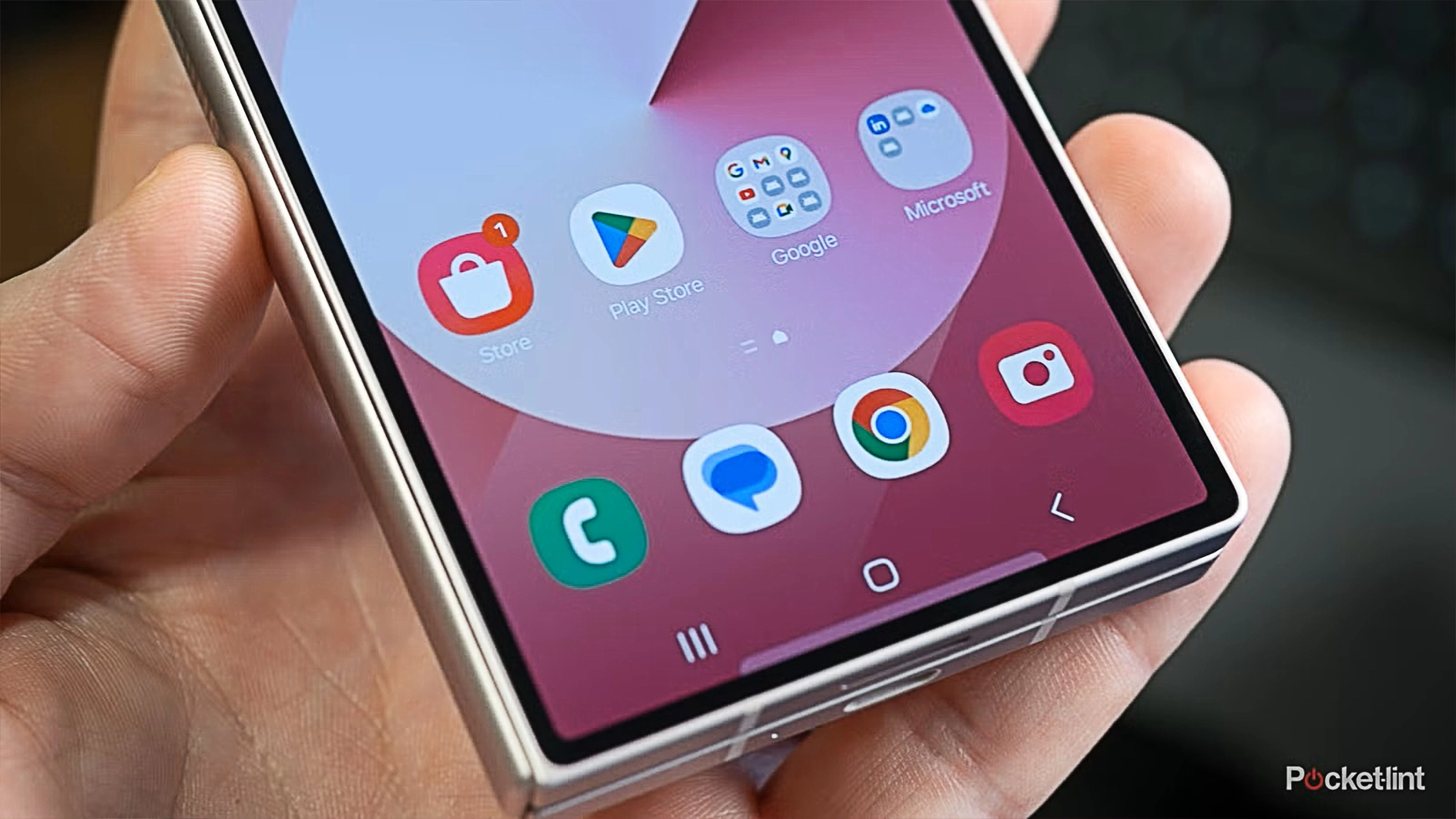
Privacy concerns are mounting over the number of pre-installed apps on smartphones, with new analysis showing that some major device brands ship phones with dozens of apps that can collect significant amounts of user data.
The analysis by Surfshark found that the average smartphone user has between 60 and 90 applications installed, but uses only about 10 daily and 30 monthly. This leaves a substantial proportion of apps unused while potentially continuing to operate in the background.
Samsung had the highest number of preloaded user-facing applications among the brands studied, with 88, followed by Google with 71, Xiaomi with 61 and Apple’s iPhone with 50.
Some of the pre-installed applications are third-party services, such as Facebook and Instagram, which have raised privacy concerns due to the volume of data they collect.
Surfshark’s Chief Security Officer, Tomas Stamulis, said users should regularly audit applications installed on their devices and review the permissions granted to them.
“Data collection practices by popular applications, particularly social media platforms and chatbots, raise privacy concerns,” he said.

According to him, while some data collection is necessary for basic functionality, applications may also collect information for targeted advertising or share it with third parties.
“Users are highly recommended to audit installed applications, review permissions, and remove or disable unused apps. Even never-used applications can gather personal data and link to your device,” he added.
The analysis showed that Samsung smartphones come preloaded with applications from Samsung, Google, mobile network operators and third-party partners.
In Bayton’s database of voluntarily synchronised Samsung smartphones, 88 user-facing applications were identified as preloaded. Of these, 57 per cent were classified by the Universal Debloater Alliance Next Generation project as safe to remove without affecting the phone’s functionality.
Thirty-five of the 88 Samsung pre-installed applications were also available on Google Play and disclosed an average of 13 data types collected per application.
These included approximate location, precise location and physical addresses, among other categories.
Facebook and Instagram were identified as collecting the largest amount of data among the Samsung pre-installed applications. Each collected 37 of the 38 data types listed on Google Play, representing 97 per cent of the categories.
Other third-party applications identified included Netflix, Microsoft OneDrive and Link to Windows, which collected 12, 15 and six data types respectively.
On Apple devices, an evaluation of 47 of 50 pre-installed iOS applications available on the App Store found that they collected an average of eight data types.
These included approximate and precise location, physical addresses, behavioural data, user-generated content and sensitive information.
Apple also allows users in the European Union to remove up to 98 per cent of pre-installed applications, compared with 88 per cent in other countries, according to the analysis.
Google smartphones had 71 preloaded user-facing applications, with 38 per cent classified as safe to remove. Forty of the applications were available on Google Play and disclosed an average of 13 data types collected per application.
Xiaomi smartphones had 61 preloaded user-facing applications, with 57 per cent classified as safe to remove. Thirty-three were available on Google Play and disclosed an average of 16 data types collected per application.
On both Google and Xiaomi devices, Google Gemini and the Google app were among the applications identified as collecting the most data, with each collecting 29 of the 38 data categories.
However, some applications on the devices disclosed that they collected no data. These included Password Manager, Pixel Screenshots and Pixel Studio on Google devices, and Weather, File Manager and Mi Browser on Xiaomi devices.
Stamulis said consumers seeking greater privacy should consider limiting the number of applications they use and reviewing the data permissions attached to them.
“Relying entirely on pre-installed applications can affect your privacy, as apps don’t always protect user data as you might expect,” he said.
He added that privacy-focused alternatives could help reduce data collection, targeted advertising and exposure to breaches.

