 Follow Us on Google News
 Follow Us on Google Discover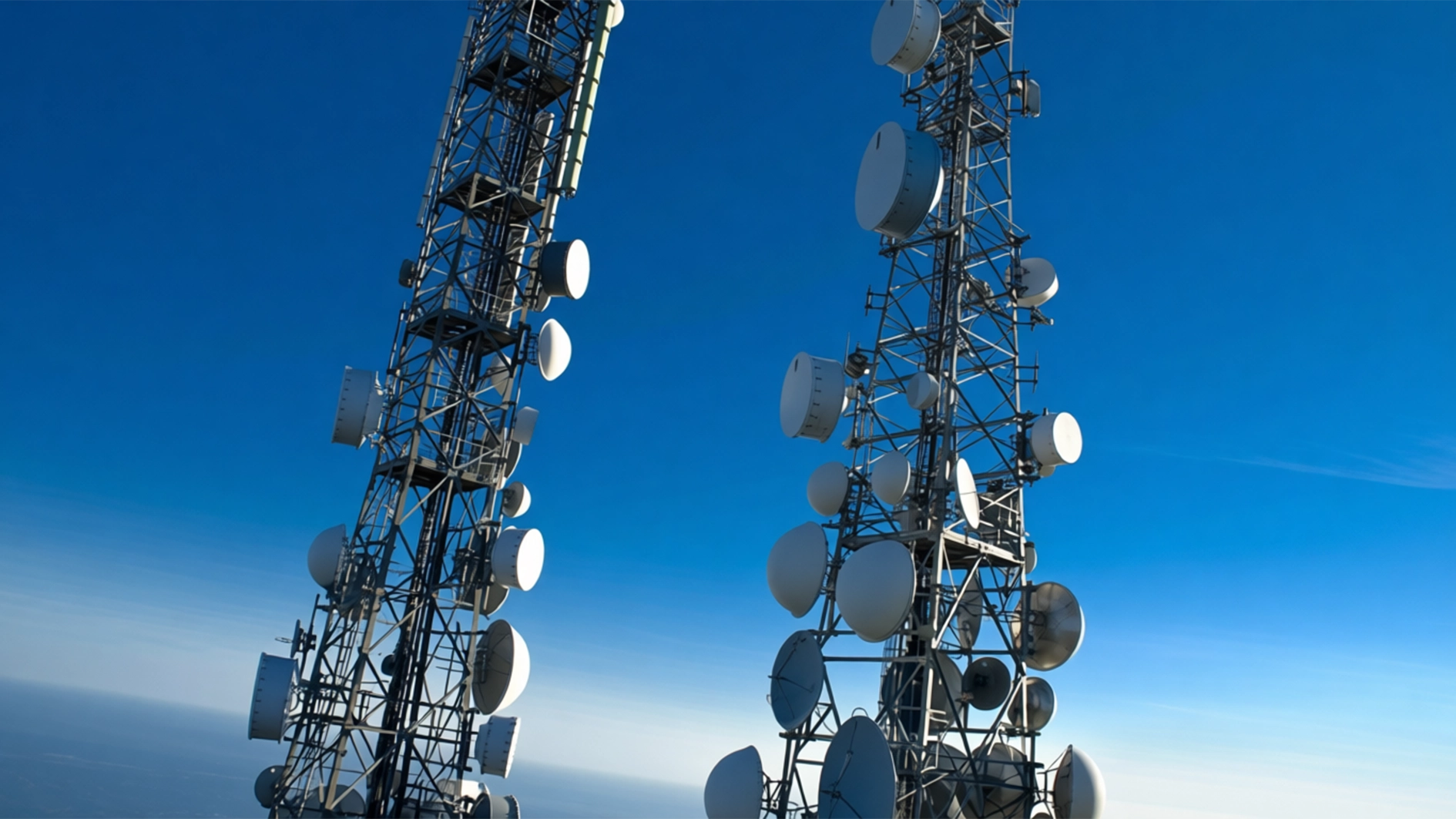
•MTN boosts public revenue with N878.7b tax remittance
With N2.13 trillion spent in 2025 on network upgrades and expansion in 2025, telecommunications operators said they would invest an additional N1.86 trillion on network expansion this year.
Under the aegis of the Association of Licensed Telecom Operators of Nigeria (ALTON), the operators said this yesterday, while reacting to the claim by the National Bureau of Statistics (NBS) that foreign direct investments (FDIs) into the sector slumped significantly in quarter one (Q1).
The telcos commended the Federal Government for its continued support of the industry, while calling for a more comprehensive framework to track and report investments coming into the sector.
The operators highlighted the importance of accurate data in shaping investor perceptions and guiding policy decisions.
The association noted that while the NBS recently released its Q1 Capital Importation Report, the figures presented do not fully capture the scale of capital deployment within Nigeria’s telecoms industry.

“This disparity between reported foreign capital inflows and actual infrastructure investment highlights a gap in how sectoral capital deployment is currently measured and reported,” the statement read.
ALTON, in the statement, signed by the Chairman and Publicity Secretary, Gbenga Adebayo and Damian Udeh, respectively, expressed appreciation to the Federal Government for approving a strategic 50 per cent tariff increase in 2025, describing it as a pivotal intervention that rescued the industry from financial distress.
According to the association, the tariff adjustment restored operational viability, closed critical revenue gaps and enabled operators to reinvest in infrastructure and service quality.
The association emphasised that the policy intervention transformed the sector from a struggling model into a sustainable, growth-focused industry.
“The timely investment enabled operators to transition from financial distress to a sustainable, growth-focused model characterised by significant capital reinvestment,” ALTON stated.
The statement revealed that telecom operators, tower companies, and other players in the sector recorded a total capital expenditure of N2.13 trillion in 2025. For 2026, planned capital expenditure stands at N1.86 trillion, with funds directed towards network infrastructure expansion, technology upgrades, and operational investments critical to maintaining service quality and coverage.
These commitments, ALTON stressed, are fundamental to advancing Nigeria’s digital economy objectives and improving services for millions of subscribers nationwide.
While the NBS report indicated a sharp decline in foreign capital importation into the telecom sector, from $80.78 million in 2025 to just $7.24 million in Q1 2026, ALTON argued that this metric only reflected a portion of the actual investment activity.
The association explained that much of the sector’s capital deployment now comes from domestic sources, including reinvested operational earnings. These financial mechanisms, ALTON noted, are not fully reflected in conventional foreign capital importation metrics, thereby painting an incomplete picture of the industry’s health.
To address this reporting gap, ALTON proposed a collaborative engagement among the Nigerian Communications Commission (NCC), the NBS, and the Central Bank of Nigeria (CBN).
The goal, according to the association, is to develop a more inclusive and transparent investment-tracking framework that accurately reflects both foreign and domestic capital flows.
ALTON reassured the Nigerian public that telecom operators remain committed to continuous investment in network expansion, modernisation, resilience and service quality improvements. The association pledged to work closely with regulators and government institutions to ensure that the sector’s contributions to national development are comprehensively documented and appropriately recognised.
With sustained collaboration and government support, ALTON said Nigerians can expect uninterrupted access to digital services that drive economic growth, innovation, financial inclusion, and overall national development.
In a related development, as Nigeria intensifies efforts to expand non-oil revenue and improve tax collection under its fiscal reform agenda, corporate tax contributions from major private-sector operators are becoming increasingly critical to government financing.
Supporting that drive, MTN Nigeria paid N878.7 billion in taxes, levies and duties to federal and state authorities in the 2025 financial year, representing a 15 per cent increase from the previous year, according to the company’s just-released 2025 Sustainability Report.
Specifically, the company paid N543.9 billion in taxes and levies in 2023, before that figure climbed to N764 billion in 2024 a cumulative rise of roughly 62 per cent over two years, tracking the company’s recovery from deep forex-driven losses to a profit after tax of N1.11 trillion in 2025, with total revenue surging 54.8 per cent to N5.20 trillion and operating profit climbing to N2.08 trillion from N778.2 billion.
The N878.7 billion remitted to the government in 2025 covered corporation tax, value-added tax, spectrum fees, import duties, NCC levies and contributions under the Rural and Urban Terrestrial Infrastructure (RUTI) tax credit scheme, an initiative with deep roots in MTN Nigeria’s public-private partnership playbook.
The company claimed to have long embraced such mechanisms, including participating in the Road Infrastructure Tax Credit Scheme, under which it committed N202.8 billion towards reconstructing the 110-kilometre Enugu-Onitsha Expressway.

