 Follow Us on Google News


 Follow Us on Google Discover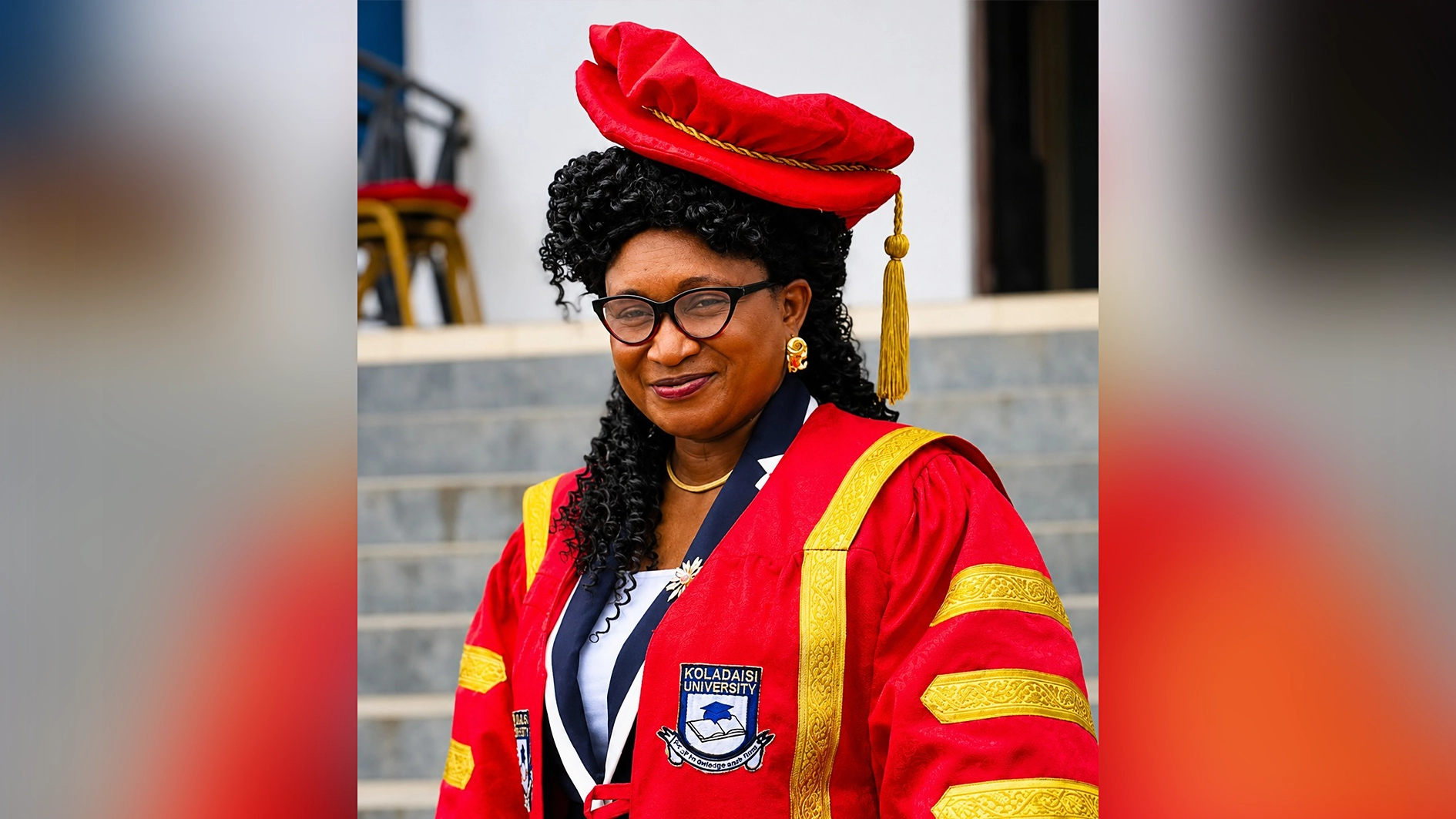
The Vice-Chancellor of KolaDaisi University (KDU), Ibadan, Professor Olajumoke Morenikeji, has said private universities cannot afford to compromise academic quality, stressing that students and their parents make significant financial and personal sacrifices to secure university education.
Morenikeji, who has experience in both public and private university systems, said private universities must continually raise their standards in teaching, research, student development, staff quality and institutional governance if they are to justify the confidence and resources invested in them.
The Vice-Chancellor stated this in an interview with The Guardian in Ibadan.
According to her, the responsibility of a private university goes beyond providing students with academic qualifications. Institutions must equip graduates with the knowledge, practical skills, character and entrepreneurial capacity required to compete effectively in a global economy.
“Parents make enormous sacrifices to send their children to private universities. Therefore, we have a responsibility to ensure that the students receive value for the resources committed to their education,” she said.
Morenikeji said private universities should see the competitive nature of Nigeria’s higher education sector as an incentive to pursue continuous improvement rather than as a reason to lower standards.

She said KolaDaisi University was developing a distinctive institutional identity around academic excellence, entrepreneurship, innovation and the holistic development of students.
“Our vision is to produce students who are globally relevant, academically grounded, innovative and equipped to thrive in a changing world. We want them not only to enter the job market, but also to have the confidence and capacity to create opportunities and contribute meaningfully to society,” she said.
“Our niche is to build students, not just academically, but also as entrepreneurs, so that they can learn how to stand on their own, enter the job market or create jobs.”
The Vice-Chancellor said the changing nature of the global economy made it increasingly important for universities to prepare students for a world in which conventional employment could no longer be the only measure of career success.
She said graduates should be equipped to identify opportunities, solve problems, innovate and create value, whether they eventually work for organisations or establish enterprises of their own.
“We want our students to leave the university with the confidence and competence to create opportunities, not merely to wait for opportunities to come to them,” she said.
Morenikeji rejected the perception that private universities were inherently inferior to public universities, arguing that the ownership structure of an institution should not be the basis for judging the quality of education it provides.
“Private universities are not inferior to federal universities. What matters is the quality of education, leadership and the environment provided for learning,” she said.
She said universities should instead be judged by the quality of their academic programmes, the competence of their staff, the quality of their facilities, the strength of their research, student outcomes, governance systems and the values they instil in their graduates.
“Whether a university is public or private, what should matter is whether it is producing graduates who are competent, ethical, innovative and capable of contributing meaningfully to society,” she said.
Having worked within both public and private university systems, Morenikeji said she had come to appreciate the importance of institutional leadership in determining whether an institution fulfils its potential.

