 Follow Us on Google News
 Follow Us on Google Discover
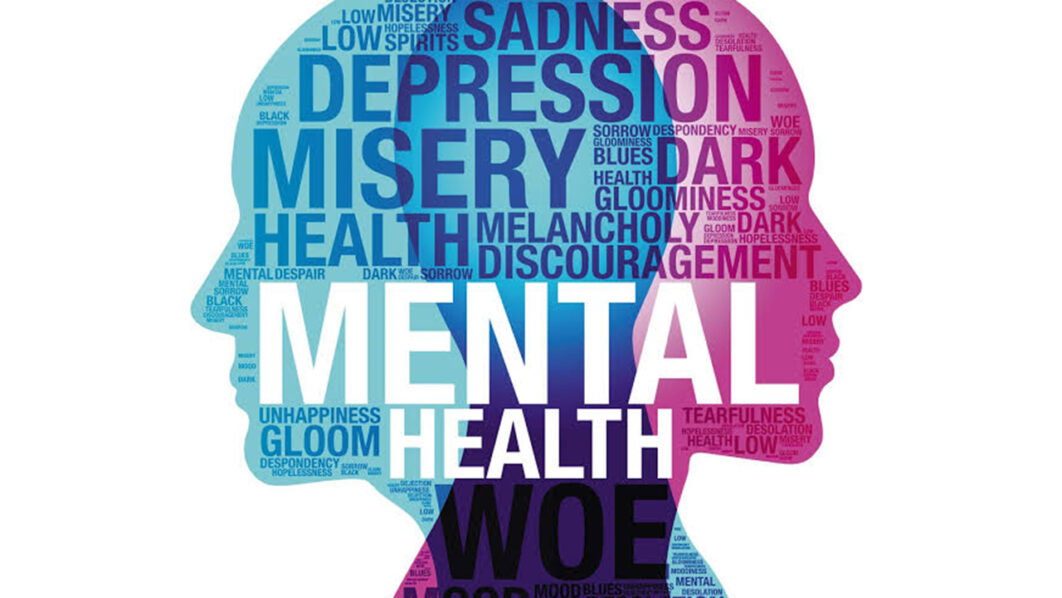
To navigate the needs of different generations in the workplace to create a supportive and open culture, the Clinical Lead at Onebright, a human resource (HR) firm, Kerri Mee, while exploring some strategies, said this requires a nuanced approach from HR professionals tasked with balancing the needs of all of them while creating a conducive workplace environment.
[ad]
Today’s workforce consists of several generations: Generation Z (Gen Z), Millennials, Gen X and Baby Boomers, and now Gen Alpha all sharing the same workplace spaces.
She said that understanding the importance of mental health was crucial for employers and managers, stating that prioritizing workers’ mental health boosts workplace positivity, job satisfaction, and organizational success.
She said HR leaders needed to balance the expectations of four generations and create and implement solutions that cater to each. Despite often conflicting priorities between generations, she said it was clear that organisations see health and wellbeing as their top priority.
According to her, fostering a safe and supportive environment is key to all individuals feeling supported and heard in the workplace. Citing some initiatives organisations could implement, the HR expert urged firms to embrace different perspectives and generational differences.
She said that embracing the varied perspectives on mental health across different generations was essential for developing a comprehensive approach to workplace well-being.
[ad]
According to her, by fostering intergenerational dialogue, organisations benefit from a rich exchange of coping mechanisms and insights.This, she said not only broadens the understanding of mental health challenges but also enhances strategy development to meet diverse needs.
Mee said there is a need to create inclusive policies and programmes that recognise the differences and ensure that all employees feel supported.
To foster a supportive environment for all, she urged organisations to establish a workplace environment that prioritises mental health, encourages transparency and facilitates access to support services for employees.

She urged that organisations should adopt policies that enhance work-life balance, such as flexible working conditions and realistic workload management, to bolster employee wellbeing.
“Employees can often sense when initiatives are implemented for their genuine well-being or simply as a formality, which is why it is important to implement and practice these solutions rather than just advertising them,” she said.
The HR expert said there is a need for organisations to introduce mental health education and training initiatives to increase awareness and comprehension of mental health issues across all levels of staff and management.
[ad]
“This is particularly relevant in multi-generational workplaces where there are conflicting perceptions of mental health and all employees should know how to discuss and approach these topics without alienating each other.
“Conduct workshops or seminars focused on stress management, resilience enhancement and strategies for sustaining mental wellbeing.
“Equip managers and supervisors with the necessary skills to identify signs of mental distress, offer appropriate support, and maintain a psychologically safe workplace.
“Partner with mental health professionals to provide workshops, training or other resources on mental health, to show your organisation’s commitment to prioritising workplace mental health. Ensure these initiatives are evidence-based and tailored to meet employee needs effectively.
“These strategies help create a supportive work environment that emphasises mental wellbeing, fostering a positive and productive workforce. Investing in your employees in the short term can reap long-term benefits and greater return on investment,” she added.
[ad]

