 Follow Us on Google News
 Follow Us on Google Discover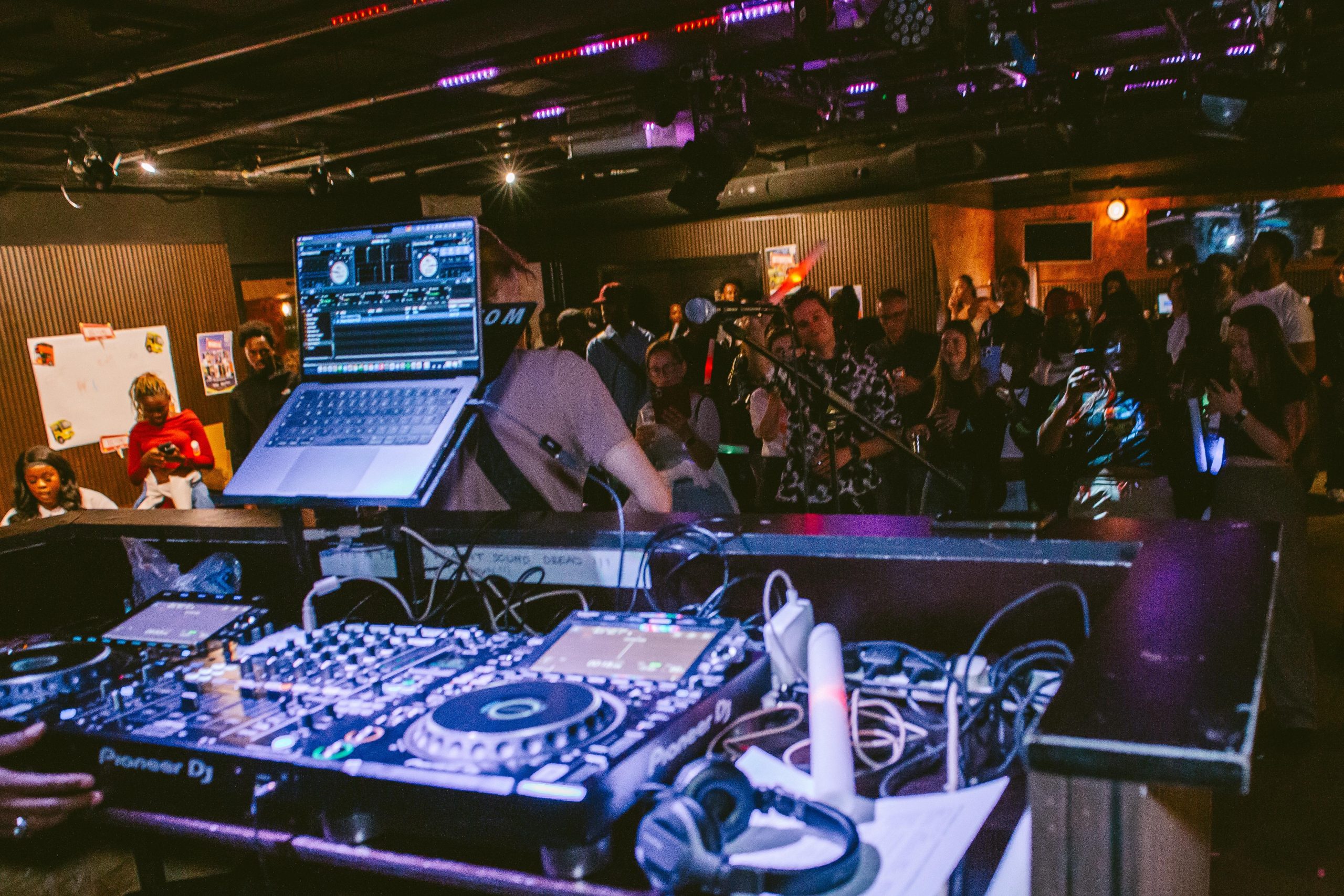
London has no shortage of live music nights. From underground raves to polished showcases, the city thrives on sound. But on September 4, 2025, UNDR in West London became the stage for something almost never seen before. INTERSECTION: Gidi Meets London, curated by Ijeoma Princess Ikokwu (known as IJ the Entertainment Jurist), set out to do more than fill a room with music. It was framed as a cultural experiment, a platform where African and UK voices could collide, collaborate, and reimagine what live performance looks like for a generation in transit.
The idea is ambitious, maybe even risky. Bringing together emerging African artists who have recently moved to the UK alongside London-based talent is no small task. For many of these artists, visibility is scarce, opportunities are rare, and the industry can be brutal. Yet this is precisely the gap INTERSECTION wanted to fill. The result? A night of discovery, tension, brilliance, and lessons for the future.
The show opened with Daniel Ajayi, whose R&B and worship-driven performance was an unexpected but welcome way to draw the audience in. His set leaned spiritual, and though not every crowd member connected instantly, it set a mood of intimacy. Following him was Chide, who blended Afro-R&B grooves with a certain rawness. His voice carried energy that helped lift the room into motion. Together, their performances set the tone: this would be less about spectacle and more about sincerity.
From there, the night unfolded in layers. KKC’s sultry Afro-R&B gave the stage its first brush of poetry, while Ayo Keengbrought fire with Afro Fusion laced with reggae and hip hop, jolting the crowd back into movement. Jola bello and Kemi Ade added texture, Jola bello with her soulful Afrobeats blend, Kemi Ade with a sound that reminded everyone why she’s been called one of South London’s most exciting voices. Idele also gave a smooth, alternative R&B performance that felt polished, while Neusha Gray offered a poetic, genre-bending jazz set that kept the audience in awe. Some in the audience seemed enchanted, others seemed genuinely surprised. But that is part of the point of a showcase like this: not every act will connect with every ear.
Monique Togara’s R&B-house fusion was bold and infectious, and Marcella Chi’s graceful R&B carried a richness that lingered beyond her set. Sam Wetton’s instrumental break midway through the night deserves a mention too. His skill on the guitar and keys gave the show space to breathe, a necessary interlude that reminded the audience of the power of musicianship in a night dominated by vocals.
The highlight of the evening, however, was its ending. Tuda closed the night with a performance that was unapologetically African, drenched in rhythm and tradition but still accessible to a London crowd. There was something grounding about it, something that pulled the audience together. People danced, shouted, and cheered, not because they knew every lyric, but because the energy was impossible to resist. For a night that promised to be a meeting of cultures, Tudac’s closing set delivered the clearest proof of concept.

None of this would have flowed without DJ Lecks. He blended Afrobeats and UK sounds with ease, kept transitions smooth between artists, and closed the night with a high-energy stretch that felt less like an afterthought and more like a second climax. His role stitched the evening together, and in many ways, his presence gave the event its professional edge.
As with any debut, there were flaws. Soundchecks ran later than planned, causing some set times to tighten. A few performances felt too short, leaving artists rushed and audiences wanting more. The venue, UNDR, had its charm but also its limits. The intimacy worked in its favour, but some attendees noted that the sound quality dipped at points. These are not failures, but they are lessons, and they are important ones for a platform with ambitions to grow.
Feedback from attendees, both in person and online, suggests the concept landed well. Following the event through IG live stream, Snapchat and TikTok stories of attendees as well as uploaded videos and pictures showed that everyone had a great time. Those I reached out to via social media after the event described the night as refreshing, necessary, and different from the usual London showcase.
Comments across social media echoed the same, with clips from the night being shared and praised.
Interviews with artists also revealed gratitude for a platform that not only put them on stage but created space for them to meet, connect, and potentially collaborate.
It would be a mistake to ignore the team behind the curtain. Artist liaison duties were handled by Leroy Morgan and Daniel Adeyeye, who managed the chaos of set times, soundchecks and logistics with visible commitment. Their coordination was pivotal, without their input, the event might have unravelled. Precious Akinmade was the anchor for ticketing and admin, ensuring the entry process stayed smooth, while Amie conducted interviews that added depth to the event’s documentation. These roles rarely get applause, but they are often what hold nights like this together.
So what does INTERSECTION mean in the bigger picture? It is not yet a polished brand, nor a flawless production. It is a vision made real, and one that deserves attention. Having over 120 people of diverse cultures in one place united by love for music is more than enough evidence of the clarity of Ijeoma’s vision. It pushes forward the conversation about African artists in the diaspora and how they can find their place in the UK’s cultural landscape. It is proof that there is an audience for this, that people are hungry for music that blends identity, heritage, and experimentation.
In curating INTERSECTION, Ijeoma took a leap. And while not every element landed perfectly, the leap itself matters. The event felt like a seed planted, one that could grow into something vital if nurtured. For those in the room, it was a night of discovery. For the artists, it was a stage to be seen. For the industry, it was a reminder that culture is shaped not only by stars but by platforms willing to take risks.
Because when Lagos meets London, it is not always smooth but it is always worth listening to. If this was the beginning, then the next edition in February promises to be even bigger.

