 Follow Us on Google News
 Follow Us on Google Discover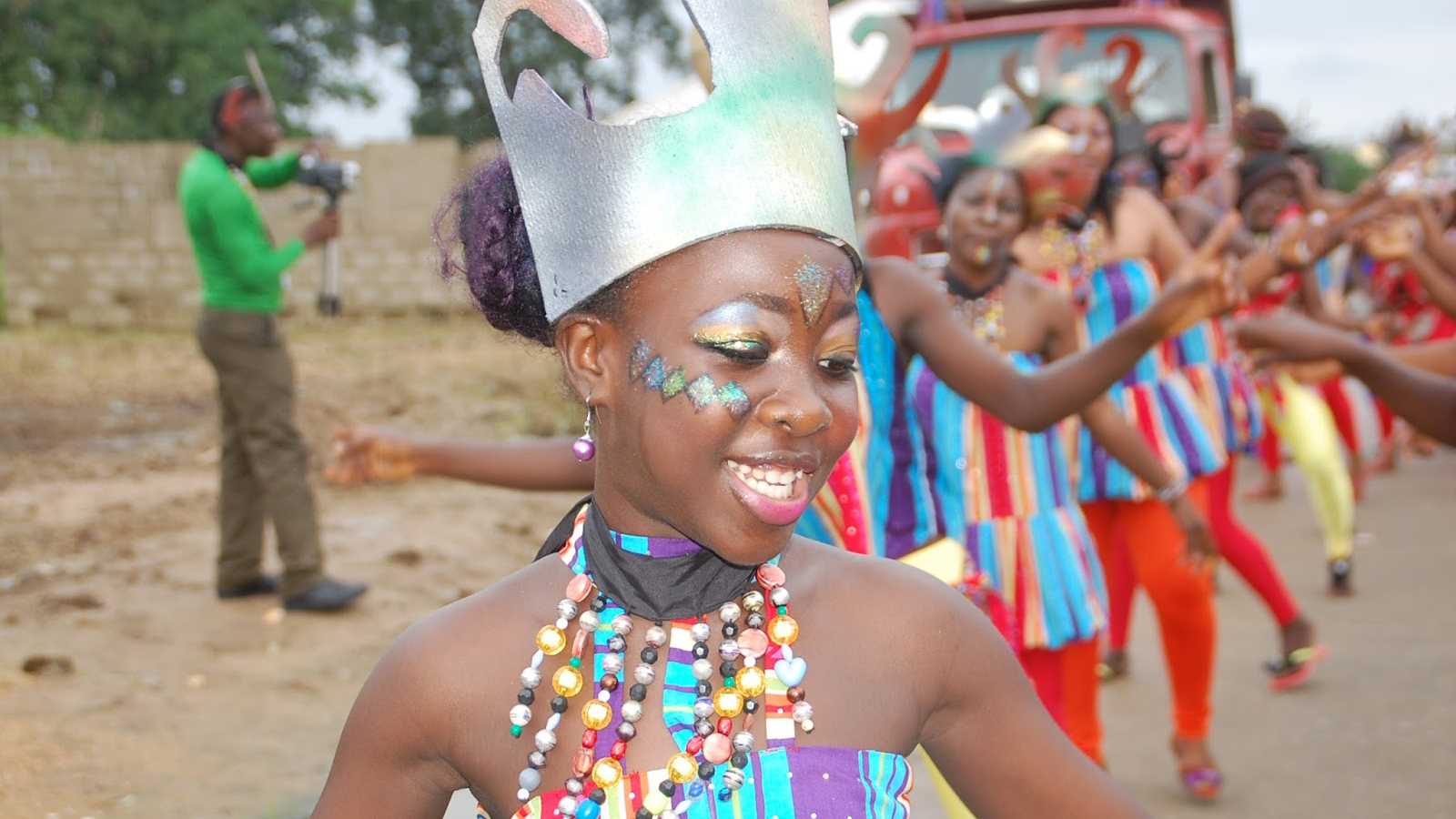
As the Odi River readies for another season of music, masquerades and crowd, the Odi Ogori Ba-Uge International Festival is fast becoming one of Bayelsa’s strongest cultural and economic pillars.
What began in 1957 with the legendary tale of a community that defeated a supernatural buffalo has steadily transformed into a major tourism attraction, now being packaged with a renewed ambition to capture global attention and boost the Niger Delta’s economy.
Dr. Ebi Stanley Udisi, chairman of the 2026 planning committee, explained during a briefing in Lagos that the festival has grown into “a platform for cultural tourism and local economic empowerment,” noting that each edition draws thousands of visitors and injects spending directly into hospitality, transport, crafts, food and entertainment.
“Tourism is money, and people make tourism what it is,” he said. “Traders, artisans, farmers, fishermen, hoteliers and transporters all benefit. It’s good for the community, good for the state and good for Nigeria. We want the 2026 edition to reflect Bayelsa’s cultural wealth and its economic potential.”
For many residents of Odi, the festival is also a symbol of healing. Beyond its founding myth, the community still remembers the 1999 invasion that left it devastated.
The growth of the festival, and plans to establish a museum preserving relics and the site where the legendary buffalo was burned for seven days, are viewed as steps toward reclaiming identity, memory and dignity while building a sustainable tourism asset for the region.
Each edition continues to draw visitors with its unmistakable Niger Delta energy. Traditional wrestling, the ‘No Big Man for Road’ masquerade and the vibrant Women’s Day celebration remain central attractions.

But the standout experience for many tourists is the “Love Boat” parade — a floating concert on the Odi River where live bands, dancers and the aroma of periwinkle sauce and plantain turn the waterway into an open-air stage.
Cultural advocates say this fusion of storytelling, costume, music and food is what sets Odi apart from other festivals across the country.
Israel Eboh, former president of the National Association of Nigerian Theatre Arts Practitioners (NANTAP), described the festival as “a creative blend of aquatic splendour and cultural storytelling that connects generations,” praising the organisers for evolving without losing authenticity. In recent years, the addition of children’s carnivals, football tournaments and natural-beauty pageants has helped broaden the festival’s appeal and keep younger audiences engaged, sustaining a tradition that has lasted more than six decades.
The Nigerian Tourism Development Authority has also pledged institutional backing to push the festival onto the global tourism calendar.

