 Follow Us on Google News
 Follow Us on Google Discover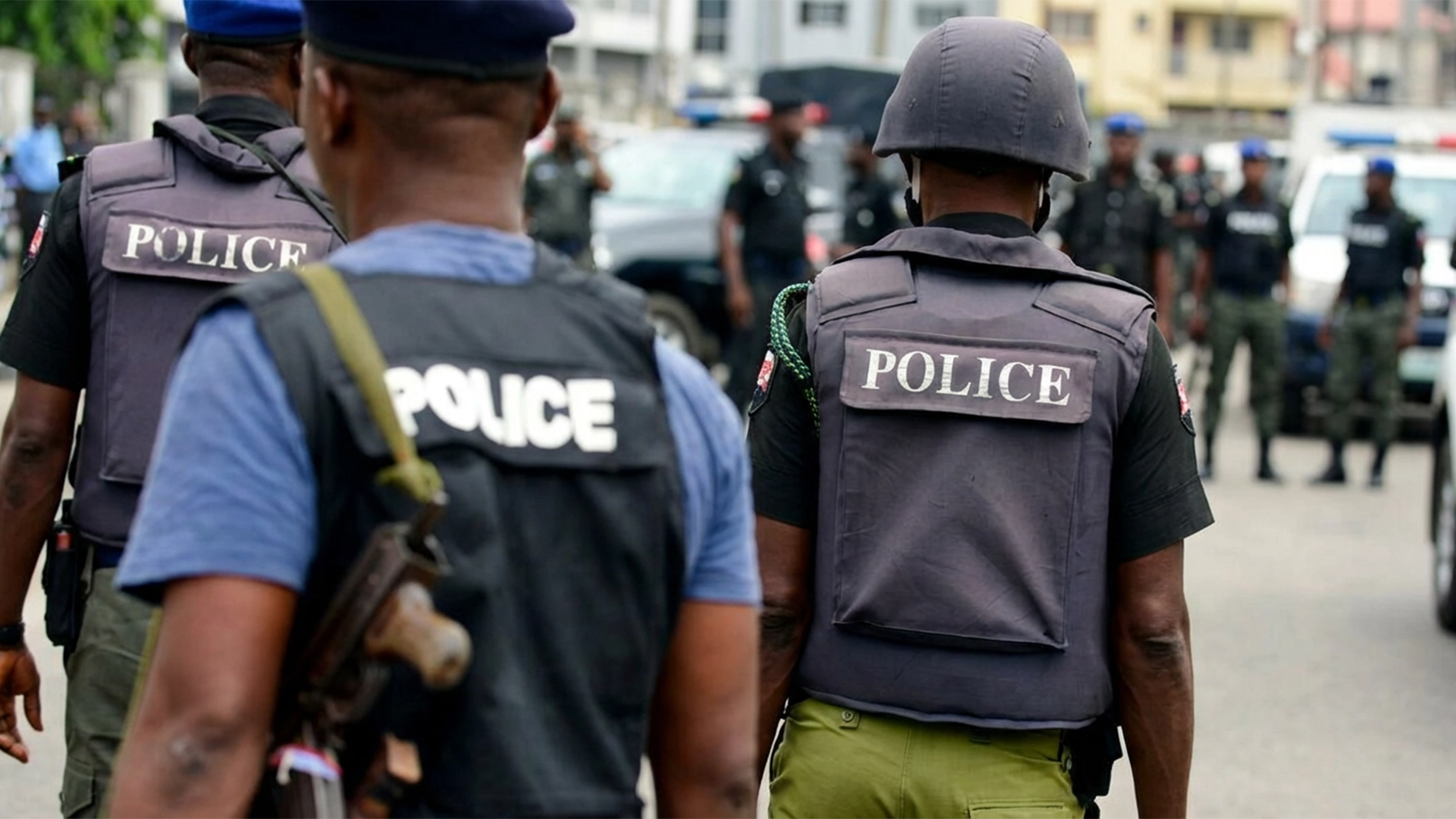
To bolster policing in the country, President Bola Tinubu’s order for the immediate withdrawal of all police officers attached to Very Important Persons (VIPs) is most pragmatic. It makes little sense that thousands of police personnel are attached to wealthy politicians and big businessmen who can afford them as personal security details, or sometimes for mere personal aggrandisement, at a time the entire country is being overrun by criminals ranging from terrorists to kidnappers.
Really, the security privilege given to the VIPs has drained the Nigeria Police Force of manpower to carry out crucial policing duties, particularly curbing the activities of criminal elements. Also, President Tinubu’s approval of the recruitment of 30,000 additional personnel into the force is one action expected at this time.
But the trouble is that the government’s action in regulating the deployment of police personnel is not new. In the past, it was observed more in breach than in compliance. Whether things will be different this time around is a matter of time. Often, Nigerians in and out of government collude to render the president’s directive a nullity. If carried out now, will the order be sustained? In the past, there were no consequences for breaches of such a directive.
The directive for recruitment of personnel in the past also suffered the same lamentable fate due to disagreements over which office or commission should carry out the task, while the bad security situation in Nigeria was becoming worse. These are bad precedents that the sorry state of the country’s security hardly deserves.
The perception across the globe that Nigeria is not a safe place to live has grave consequences for national development. President Tinubu gave the withdrawal order recently during a high-profile security meeting held at the State House, Abuja, directing that the withdrawn police officers should immediately be deployed to perform policing duties in communities. The planned recruitment of more personnel is part of broader efforts to boost the presence of police in many underserved communities, particularly in remote areas where police stations are inadequately staffed.
For several decades, Nigerians, particularly security experts, have alerted successive governments to the dangerous fact that Nigeria is not being adequately policed, pointing out the likely consequences. Trenchant calls for the recruitment of additional security operatives have fallen on deaf ears. Leaders have become more interested in what they can use their positions to make from the general insecurity, which means little to them because they move in a convoy of many vehicles, heavily guarded by police officers and other security operatives who are supposed to be protecting all Nigerians and foreign nationals in the country. It is a huge shame that Nigeria is now being perceived as a killing field that is dreaded by foreigners.
Government order for withdrawal of police officers from VIPs started failing since 2003, when Mustafa Adebayo Balogun, as the IGP, directed the removal of police security detail from some dignitaries to stop what he called misuse of the personnel and the need to redeploy them to serve the general public. But due to strong criticism by influential Nigerians, particularly politicians, the directive was reversed within a few weeks. Ogbonnaya Onovo, who succeeded Balogun in 2009, also ordered the withdrawal of police aides, then numbering about 100,000, arguing that the security privilege was not approved by the Federal Executive Council (FEC). He justified his directive with the claim that the remaining personnel were not enough to protect other members of the public. However, the directive failed.
Hafiz Ringim, who came on board in 2010, threatened to arrest and prosecute officers still guarding those he called unauthorised persons, while Mohammed Abubakar, in 2012, actually withdrew all police aides attached to private individuals and corporate bodies till they later found their way back to the controversial duties. In 2016, Solomon Arase did the same thing while his immediate successor, Ibrahim Idris, directed commissioners of police not to attach police officers to politicians, private individuals and corporate bodies unless there is a genuine threat. Mohammed Adamu, in 2020, following the EndSARS protest, ordered the withdrawal of aides from ‘un-entitled persons’. In ordering withdrawal in 2021, Usman Alkali Baba argued that the nation’s constitution does not provide for police orderlies to be attached to private individuals. Egbetokun, who became IGP in 2023, planned for withdrawal, but it has turned out to be from only those he claims are not entitled to the privilege.
A major reason that has driven these withdrawal moves is the discontent with the demeaning use to which the police aides are often put, performing menial tasks such as carrying handbags, washing vehicles, and opening doors for the VIPs. But more disturbing is the situation in which police officers, being paid with taxpayers’ money to protect the populace, now find themselves guarding a privileged few, even amid the terrible and seemingly intractable insecurity that has made millions of people vulnerable to unchallenged attacks and abductions for ransom by hardened criminals in Nigeria. It offends the sensibilities of other citizens.
The latest withdrawal order given by President Tinubu must not go the way of the previous ones by the IGPs that were either not made with sincerity or were scuttled. Considering the security challenges currently facing Nigeria, one of the targets should be building a strong and vibrant police force that can tackle criminal elements. To this end, the presidential order must be implemented to the letter and sustained to boost police presence in the communities. Reports indicate that a quarter of the police personnel strength is doing guard duties for VIPs. Tinubu has directed that VIPs requiring protective services should henceforth obtain such from the Nigeria Security and Civil Defence Corps (NSCDC), which has been asked to provide armed personnel needed.
Redeployment of the withdrawn police officers and recruitment of the 30,000 additional personnel should be done immediately so that the communities can start feeling the positive impact of the presence of security operatives in their areas. There is a need to exercise care to prevent the recruitment of criminals and criminal-minded people into the force.
There should be adequate investment in the training of the recruits, which should be thorough, modern, and involve the use of sophisticated security gadgets and other relevant equipment/technologies that are currently in use by operatives in advanced countries to proactively detect and promptly and effectively combat crimes.
Modern training should be extended to serving police officers to upgrade their skills in anti-crime fight.
There is a crucial need to improve the welfare of the security operatives. It is worrisome that many of them are becoming more committed to serving as guards to VIPs than to their core responsibility of policing the country. What they benefit from guarding private individuals seems to be more than what they get by serving the country, which makes them, in many cases, to be loyal to the VIPs than to the nation.
The current efforts should not hinder the creation of the state police promised by President Tinubu, which will involve the engagement of locals who have a better understanding of the terrain. President Tinubu should also approve mass recruitment into the armed forces. Nigeria needs more military personnel who should be trained in the modern art of warfare and the use of technology to be able to deal effectively with terrorism in the country. The task is beyond the police, even though internal security rests on the shoulders of Nigeria Police.

