 Follow Us on Google News
 Follow Us on Google Discover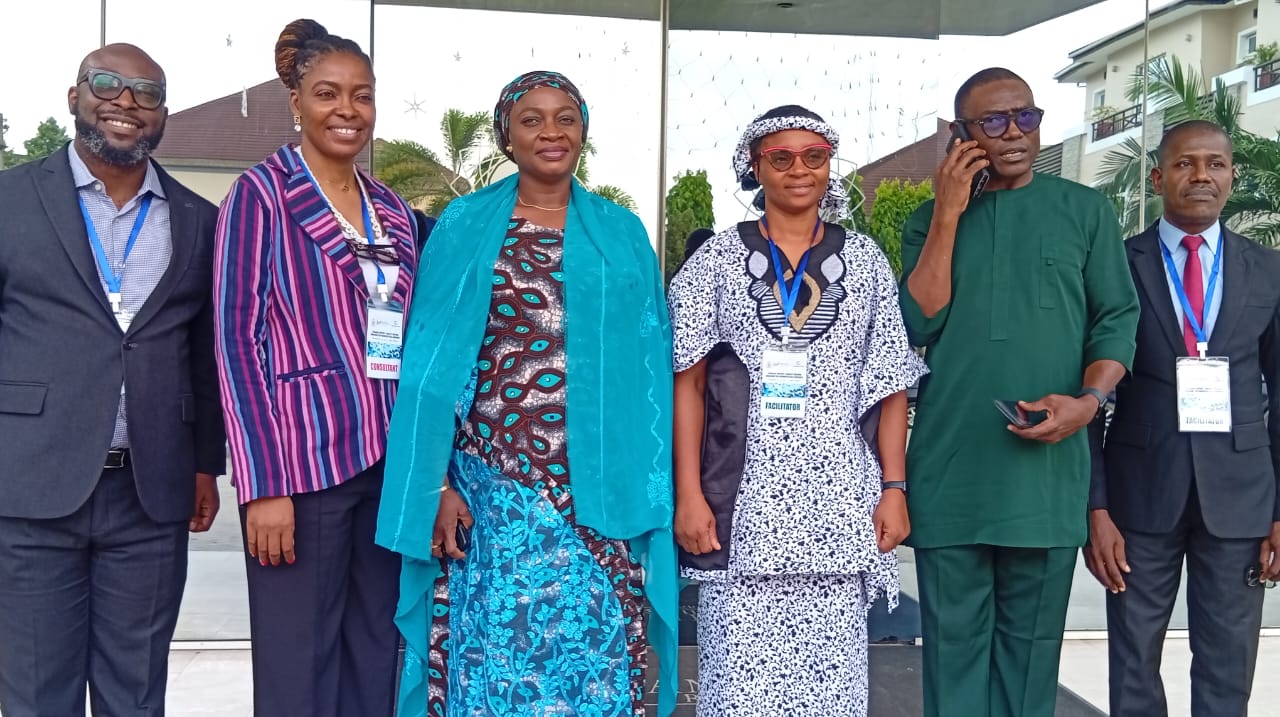
• Trains local pharma firms to meet standards, $161m WHO antimalarial market
• Urges tax reliefs, incentives for drug manufacturers amidst high costs
The National Institute for Pharmaceutical Research and Development (NIPRD) has raised concerns over Nigeria’s heavy reliance on a single World Health Organisation (WHO)-prequalified antimalarial product nationwide, warning that the situation exposes gaps in local manufacturing capacity and limits the country’s participation in the global antimalarial market valued at about $161 million.
Against this backdrop, the institute said it has stepped up efforts to train local pharmaceutical companies to meet WHO prequalification (PQ) standards, as part of a broader push to expand Nigeria’s footprint in donor-funded antimalarial procurement and global supply chains.
NIPRD disclosed this at a four-day Technical Support and Capacity Workshop for Pharmaceutical Companies organised under the National Malaria Elimination Programme (NMEP), with support from the World Bank. The workshop, held in Lagos, was designed to equip local manufacturers with the technical knowledge required to navigate the WHO PQ process and position them to access international markets.
According to the institute, Nigeria currently has only one WHO-prequalified antimalarial product, manufactured by Swiss Pharma Nigeria, underscoring the urgency of building local capacity. The training was therefore structured to guide participating companies through key elements of the WHO PQ application process, including documentation requirements, bioavailability and bioequivalence studies, and the establishment of robust laboratory quality assurance systems.
Speaking on the objective of the workshop, NIPRD Director-General, Dr Obi Adigwe, said the programme was focused on providing hands-on technical support on the WHO PQ application process. Represented by his technical adviser on pharma and industry, Dr Mercy Aboh, Adigwe said manufacturers must understand key requirements such as documentation, bioavailability and bioequivalence studies, as well as laboratory quality assurance systems.
He identified limited awareness, funding challenges, outdated or non-standardised equipment and weak technical capacity as major barriers preventing local manufacturers from attaining WHO prequalification. According to him, many pharmaceutical managers had not fully grasped the economic value and global credibility associated with WHO PQ, noting that most participants only became aware of the scale of its benefits during the training.
Adigwe also stressed the need for factory upgrades, observing that several long-established pharmaceutical companies still lacked modern equipment required for prequalification. He said investment in advanced manufacturing technologies and continuous staff training was critical to meeting international standards and expanding Nigeria’s presence in the global antimalarial supply chain.
On funding, he acknowledged that the WHO PQ process is capital intensive but said the workshop exposed participants to various funding platforms and government-backed support mechanisms. He added that companies with strong documentation and technical readiness would be better positioned to access available financing opportunities.
Corroborating this position, the director and project manager of the IMPACT project under the National Malaria Initiative, Pharm. Okoko Okefu Oyale, said WHO prequalification would enable Nigerian manufacturers to compete locally and internationally. He explained that prequalified companies could bid for donor-funded procurements and supply medicines to other countries, thereby expanding their market reach.
Oyale described the workshop as a foundational step and called for stronger collaboration among stakeholders, including the Federal Ministry of Health, NAFDAC, NIPRD, pharmaceutical value-chain actors, PMGMAN and local manufacturers. He highlighted the high cost of bioavailability and bioequivalence studies, estimating about $100,000 per molecule and up to $200,000 for combination therapies such as artemether-lumefantrine, and questioned the capacity of many firms to absorb such costs without systemic support.
He also listed multiple taxation, high tariffs, active pharmaceutical ingredient shortages, high utility costs, water supply challenges and staff overheads as additional constraints facing manufacturers. He advocated incentives such as tax reliefs and improved inter-sectoral coordination, urging the Ministry of Health to drive collaboration across its agencies to support sector-wide reforms.
In a post-presentation briefing, the lead consultant to NIPRD on pharmaceutical industry technical support, Pharm. Adesola Arowolo, said the workshop was structured to demystify the WHO prequalification process and encourage companies to begin the journey.
Dr Christopher Akunyili of Mecure described the workshop as an eye-opener, saying it expanded his understanding beyond regulatory compliance to the strategic and economic value of WHO prequalification. He said the disclosure of an estimated $161 million collective revenue opportunity for prequalified antimalarial manufacturers underscored the urgency for action.

