 Follow Us on Google News
 Follow Us on Google Discover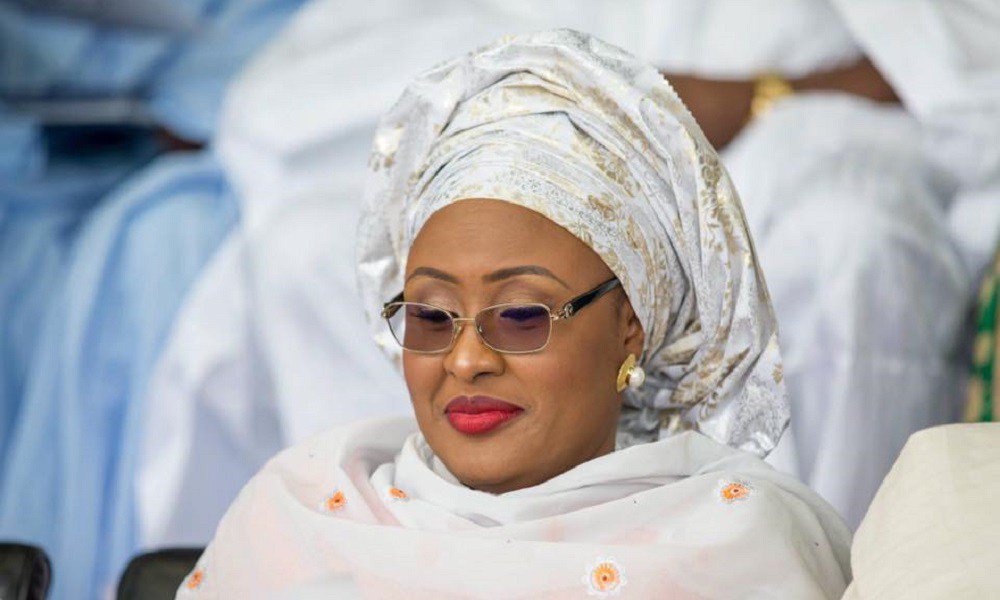
Public outrage has continued to trail comments attributed to former First Lady, Dr. Aisha Buhari, in a newly launched biography documenting the life and presidency of her late husband, former President Muhammadu Buhari, with senior political figures, commentators and citizens condemning what they described as ill-timed and damaging posthumous revelations.
The comments, which centre on alleged internal tensions, family influence and governance challenges during Buhari’s eight years in office, are contained in a book titled From Soldier to Statesman: The Legacy of Muhammadu Buhari, authored by Dr. Charles Omole.
The book was recently unveiled at the State House Conference Centre, Abuja, at an event attended by President Bola Tinubu and his wife, Senator Oluremi Tinubu, alongside other dignitaries.
Since excerpts from the book began circulating, critics have accused the former First Lady of unfairly casting aspersions on the late president at a time when he is no longer alive to respond.
They warned that such disclosures risk overshadowing historical assessment of his administration with personal narratives.
In the book, Aisha Buhari is quoted as saying she resisted attempts by a powerful cabal within Aso Rock, including relatives, associates and their families, to edge her and her children out of the Presidential Villa.

She alleged that some individuals exploited Buhari’s fondness for his extended family and old friends to manipulate him, to the detriment of the administration’s policy goals.
“If the 2017 crisis began in a kitchen, its broader stage was the house where that kitchen was situated. Aso Villa is not merely a home, but an ecosystem,” the book quoted her as saying.
“They tried to push everybody out, including me. This is my house. You can live wherever you like, but you cannot be in charge of my husband’s office and then also be in charge of me, his wife, inside my house.”
The former First Lady also reflected on what she said was a major weakness of the Buhari administration, that is, the failure to decisively remove non-performing officials, attributing it to emotional restraint, fear of public perception and manipulation by close aides.
According to the book, Buhari was often reluctant to sack underperforming appointees out of sympathy and concern about being labelled authoritarian.
“If I remove him, they will say I am this and that,” she was quoted as saying Buhari told her, adding that the familiar justification of the devil you know gradually became a shield for mediocrity.
She further claimed that relatives without official roles sought to influence access to the Villa, while long-standing associates from Buhari’s years in opposition were gradually sidelined.
When private complaints failed to yield changes, the book said she chose to speak publicly.
The revelations have drawn reactions from political figures.
For instance, former Kaduna State governor, Nasir El-Rufai, urged restraint, warning against exploiting the memory of a deceased leader.
In a public comment, El-Rufai appealed for Buhari’s legacy to be left to history, cautioning that reopening internal grievances could deepen divisions.
Former Minister of Communications and Digital Economy, Isa Ali Pantami, criticised the trend of posthumous accusations, stressing that death should impose moral restraint and that private disputes should not be converted into public indictments when rebuttal is no longer possible.
Political commentary platform, Haruspice, also weighed in, arguing that personal memoirs cannot override the lived national experience of Nigerians, noting that Buhari’s record in office had long been judged independently of insider narratives.
Furthermore, comparisons emerged between Aisha Buhari and past First Ladies such as Turai Yar’Adua and Mariam Abacha, with critics noting that despite accusations of behind-the-scenes influence, they did not publicly indict their spouses after death.
The controversy also took a personal turn following an Instagram post attributed to one of the Indimi daughters, which circulated widely online and added emotional intensity to the discourse around family loyalty, timing and propriety.
Across social media platforms, including X, Facebook, Instagram and WhatsApp, public sentiment has remained largely critical, with many Nigerians viewing the book as an attempt to reopen settled questions and reassign responsibility rather than promote reflection or closure.

