 Follow Us on Google News


 Follow Us on Google Discover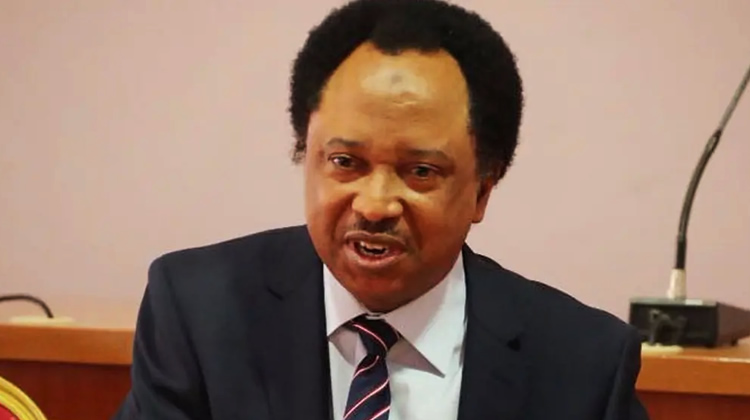
Former lawmaker Shehu Sani has said that the relatively peaceful Yuletide period experienced in many parts of Nigeria was the result of sustained efforts by the country’s defence, security and intelligence services, rather than a single United States military strike on suspected Islamic State (ISIS) elements in Sokoto State.
In a post on X, Sani said Nigerian security agencies deserved credit for maintaining stability during the Christmas season, pushing back against claims credited to a United States lawmaker, Representative Riley, who had highlighted the US strike as a decisive factor in curbing terrorism.
“The efforts of our Nigerian defence, security and intelligence services ensured a relatively safe and peaceful Yuletide season in most parts of our country, and not the one off US strike,” Sani wrote.
His comments followed the US Africa Command airstrikes on ISIS-linked fighters in parts of Sokoto State, in north-west Nigeria.
The US said the operation was conducted in coordination with Nigerian authorities as part of broader counterterrorism cooperation.
Nigerian officials confirmed collaboration with foreign partners but maintained that domestic forces remain central to security operations across the country.

Nigerian Armed Forces have reported operations against insurgent and criminal groups in states such as Borno, Zamfara, Katsina and Niger, while intelligence services have said they disrupted planned attacks and arrested suspected collaborators.
Security agencies have also pointed to cooperation among the army, air force, police and local vigilante groups as contributing to improved response times.
The US strike in Sokoto drew mixed reactions within Nigeria. While some welcomed international assistance against extremist groups, others raised concerns about sovereignty and the risk of overstating the impact of external intervention.
Government officials have consistently said that foreign support complements, rather than replaces, Nigeria’s own security framework.
Sani, a former senator representing Kaduna Central, has frequently commented on national security and governance issues. He has previously argued that while international cooperation is acceptable, long-term stability depends on strengthening Nigeria’s institutions, addressing underlying socio-economic drivers of insecurity and ensuring accountability within the security sector.
Despite the calmer festive period noted in some areas, authorities have cautioned that armed groups remain active and adaptable. Security agencies have urged the public to remain vigilant and to continue sharing information with law enforcement.

