

One of the most common skincare mistakes is trying to fix everything at once. Acne, dark spots, uneven tone, and texture treated in a single routine often lead to irritation, stubborn breakouts, and a damaged skin barrier. With acne, post-acne marks, hyperpigmentation, and melasma, strategy matters more than speed. Healthy skin is built in phases, not all at once.
Don’t treat everything at the same time
Acne, hyperpigmentation, and melasma may appear similar on the surface, but they behave very differently and require different treatment approaches. Acne is an active inflammatory condition, while hyperpigmentation and melasma are pigment-related concerns. This distinction is why dermatologists strongly advise against treating them all at once.
Layering multiple active ingredients — such as exfoliating acids, brighteners, retinoids, and spot correctors — often leads to irritation. Irritation triggers inflammation, and inflammation can worsen both hyperpigmentation and melasma.
This is why piling on products usually backfires. Using more active products does not mean faster results. Experts say that often leads to more damage. Skincare works best when it follows a procedure that allows the skin to stabilise at each stage.
STEP ONE: TREAT ACNE FIRST
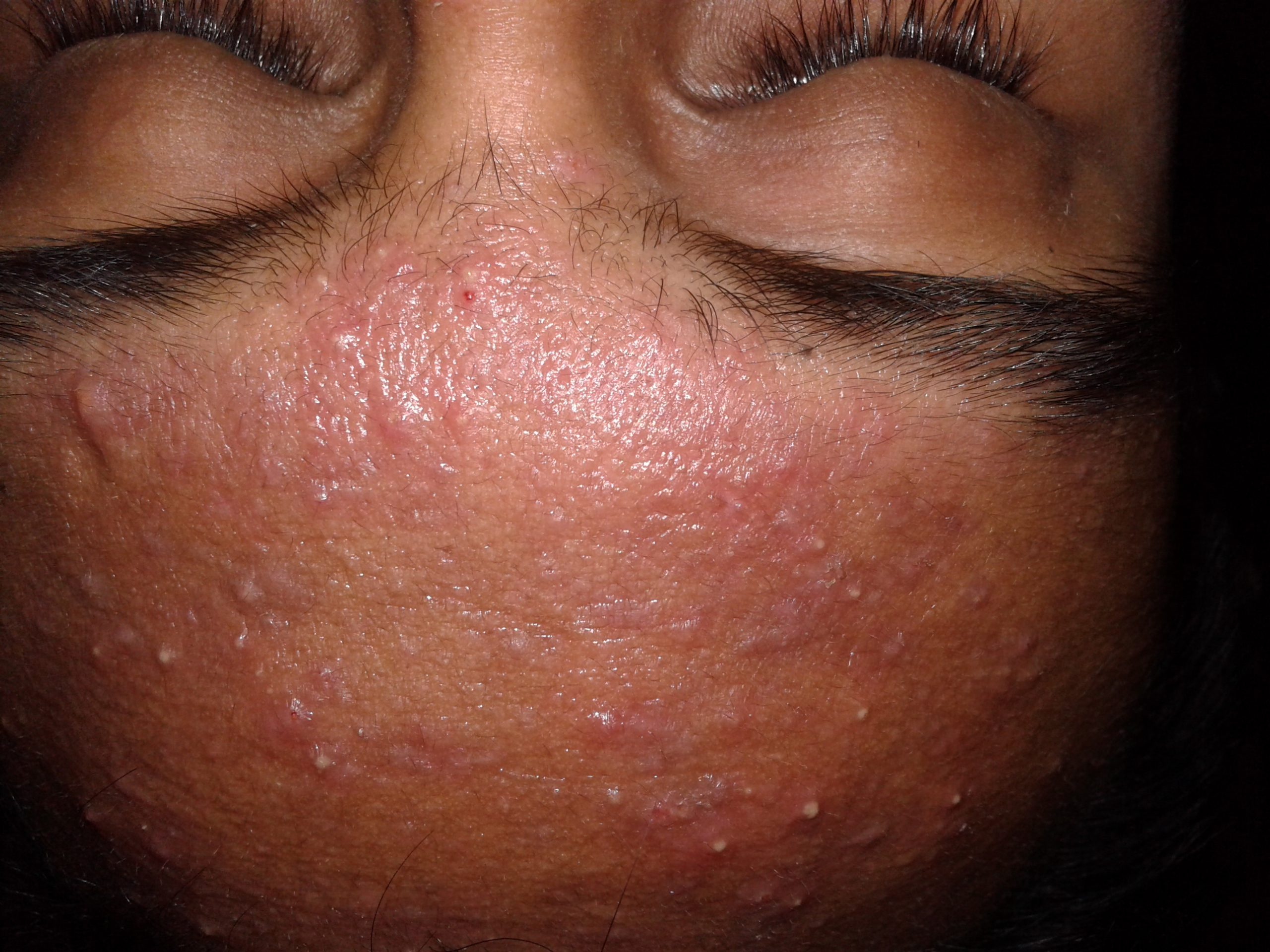
Active acne should always be addressed first. Trying to fade dark spots while breakouts are still ongoing is like mopping the floor while the tap is still running. Acne treatments help calm inflammation, reduce clogged pores and prevent new marks from forming.
At this stage, the focus should be on gentle, non-stripping cleansing, one or two targeted acne treatments, consistent moisturising to support the skin barrier and, most importantly, daily sunscreen use to prevent new marks.
The goal here is not instantly perfect skin, but control. Once breakouts are significantly reduced and inflammation has calmed, the skin is better equipped to tolerate pigment-focused treatments.
If acne is no longer active and only marks remain, you can cautiously move into the next phase.
STEP TWO: ADDRESS POST-ACNE MARKS AND GENERAL HYPERPIGMENTATION
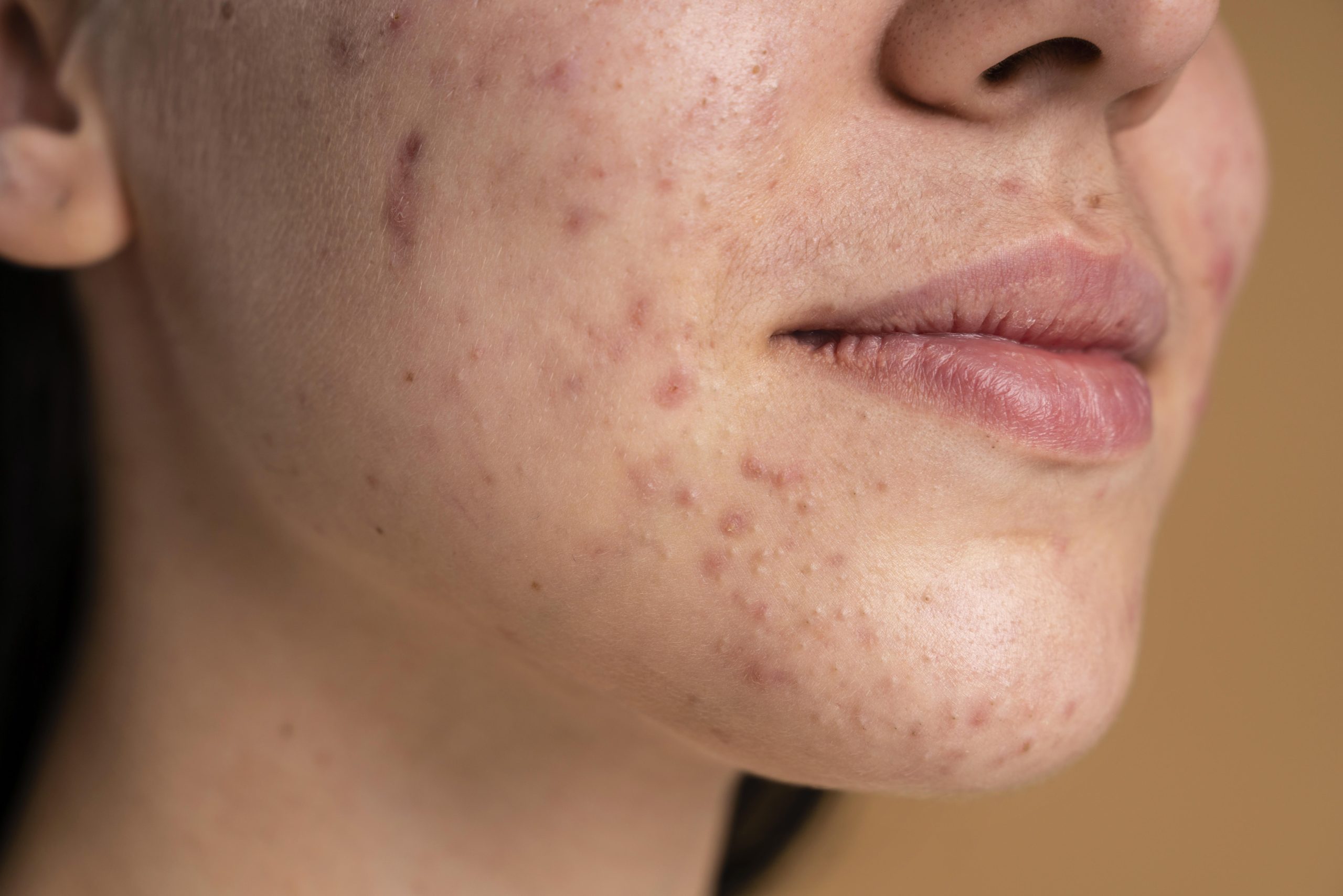
Post-acne marks and general hyperpigmentation respond better to treatment once active breakouts are under control. At this stage, the skin is less inflamed and more resilient, making it easier to introduce brightening and corrective ingredients gradually.
This phase focuses on gradually introducing pigment-correcting actives, supporting skin barrier repair and renewal, and maintaining hydration and sun protection. Patience is key. Hyperpigmentation fades slowly, and aggressive treatment often leads to setbacks rather than progress. Consistency and patience are more effective than intensity.
STEP THREE: MANAGE MELASMA WITH EXTRA CARE

Melasma requires a more cautious and long-term approach. Unlike post-acne marks, melasma is highly sensitive to inflammation, heat, irritation and sun exposure. Over-treating it can make it darker and more stubborn.
Melasma management should prioritise strict daily sun protection, a gentle routine with minimal irritation, and slow, carefully selected treatments. This is less about “clearing” the skin and more about long-term control. Consistency, protection, and restraint matter more than intensity.
WHY SEQUENCE MATTERS

Skincare works best when it is strategic, patient, and respectful of the skin’s limits. Healing the skin is not a race. When you allow the skin to stabilise at each phase, results last longer, the skin barrier stays protected, relapse reduces, and the overall skin health improves consistently.
INGREDIENT GUIDANCE AND PRODUCT EXAMPLES
Please note that these are examples, not prescriptions. Always introduce new products slowly and consult a dermatologist for persistent or severe concerns.
For active acne
These support the first phase by calming breakouts and reducing clogged pores.
La Roche-Posay Effaclar Duo+ combines salicylic acid and niacinamide to reduce breakouts and post-acne marks.
Adapalene (Differin) is a gentle retinoid that helps prevent clogged pores when used gradually.
Tretinoin cream is a prescription retinoid that keeps pores clear and reduces blackheads, whiteheads and pimples. It should only be used under professional supervision.
For post-acne marks and general hyperpigmentation
Once acne is controlled, these help fade dark spots and even tone.
The Ordinary Alpha Arbutin 2% + HA is gentle but effective for dark spots and post-acne marks.
Paula’s Choice Skin Perfecting 2% BHA Liquid is an exfoliant that can help to clear pore buildup and smooth texture when used sparingly (one to three times weekly). Overuse may irritate pigment-prone skin.
For melasma
Melasma responds better to gentler, long-term routines.
Skin Ceuticals Discolouration Defence Serum is a dermatologist-backed formula for stubborn dark spots.
ouch Bright and Clear Cream is formulated with azelaic acid, kojic acid, tranexamic acid, and niacinamide to fade dark spots and target melasma, sun spots, and acne marks.
Gentle serums containing azelaic acid, niacinamide or tranexamic acid are often better tolerated than strong exfoliating acids.