
GDN SIDEBAR
Skincare does not have to be complicated. The real issue is often using unsuitable products at the wrong time. This guide breaks it down with simple, practical steps that help you build a routine your skin can actually respond to.
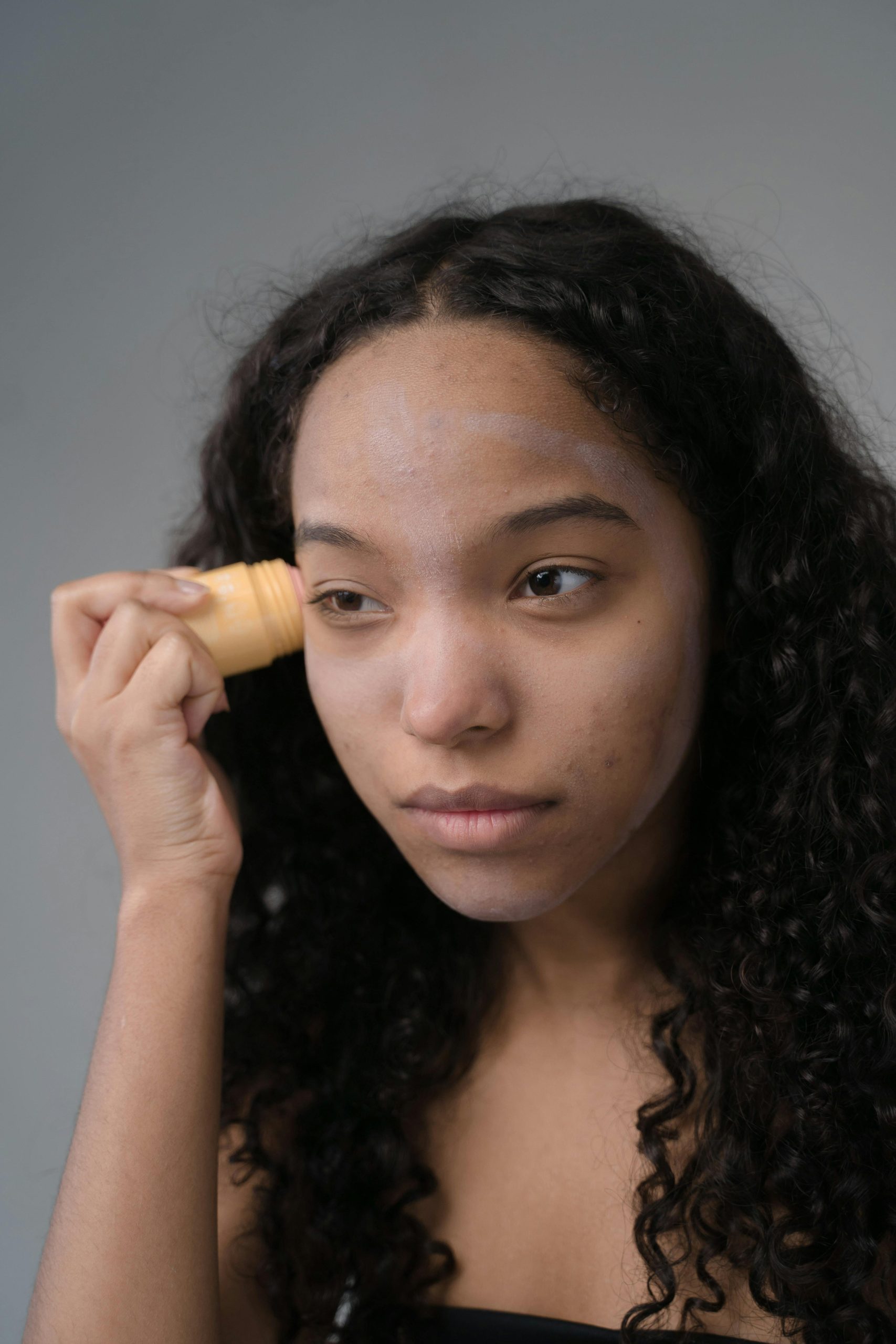
Building an effective skincare routine isn’t difficult; the challenge lies in using the wrong products or applying the right ones at the wrong time. Most skincare routines fail not because of poor-quality products, but due to a lack of strategy, patience, and respect for the skin barrier.
Here’s how to create a sensible, dermatologist-recommended skincare routine without overspending on unnecessary products or addressing the wrong skin concerns.
Know the ‘what’ and ‘how.’
The first step in establishing a skincare routine is to identify your specific skin concern. Is your main issue dehydration, sensitivity, acne, or pigmentation? Understanding this helps you focus on the right solutions. For instance, you wouldn’t use acne treatments if your primary concern is dehydration. Always start with your dominant skin issue before adding multiple products to your routine.
If you’re dealing with various concerns, treat them one at a time to avoid overwhelming your skin. Experts recommend addressing them in this order: dehydration, sensitivity, acne, and pigmentation/acne scars.


Build around the non-negotiables
Every skincare routine needs a solid foundation. Once you’ve identified your skin concerns, focus on including non-negotiable products: a cleanser, moisturiser, and sunscreen. These products are essential, regardless of skin type, and should be the cornerstone of your routine. When selecting them, ensure they are formulated for your specific skin type.
Introduce treatments slowly
When incorporating active ingredients into your routine, take a measured approach. Use ‘one active at a time’. There’s no need to tackle all skin concerns simultaneously. Allow each active ingredient several weeks to show results before introducing another. Overloading your routine with too many actives can lead to irritation and exacerbate existing issues. Also, always consult a specialist before using medicated actives.
Match products to skin type
Two people may share the same skin concern (like acne or hyperpigmentation), but may require completely different products depending on their skin types. Using products that don’t match your skin type can cause irritation or stagnate progress. Different skin types respond to formulations differently. Oily skin generally tolerates lighter textures better, while dry skin requires richer formulations to avoid irritation. Sensitive skin reacts more to alcohol, fragrance, and frequent use of active ingredients. Remember, a quality ingredient in the wrong texture can still lead to issues.

Respect the skin barrier
Your skin barrier is critical for ensuring that your skincare products work effectively. A healthy barrier retains moisture, tolerates treatments better, and heals more quickly. When the barrier is damaged, even the best products can cause stinging, clogged pores, or worsen existing issues. Signs of a struggling barrier include burning upon application, tightness, flaking, sudden breakouts, or increased sensitivity. At this point, adding more actives is not the solution. Instead, focus on hydration, consistent moisturising, and sun protection.
Consistency matters
Skincare takes time and patience. Most products require weeks or even months to show visible results. Frequently switching products because you expect instant results can keep your skin in a constant state of disruption, preventing it from improving. A successful routine is usually simple and repetitive. Using the same products consistently allows you to gauge how your skin responds and identify what is beneficial and what isn’t. Trends may change, but skin generally responds best to stability.
Adjust, don’t abandon
You don’t need to completely overhaul your routine when something feels off. Skin can change due to stress, weather, hormones, and lifestyle, so minor adjustments are often enough. Instead of replacing everything at once, change one product at a time, reduce the frequency of use before removal, or temporarily simplify your routine if your skin feels overwhelmed. Progress often comes from paying attention to your skin’s feedback and responding gently. The most effective skincare routines evolve gradually, alongside your skin rather than being constantly reset.