 Follow Us on Google News
 Follow Us on Google Discover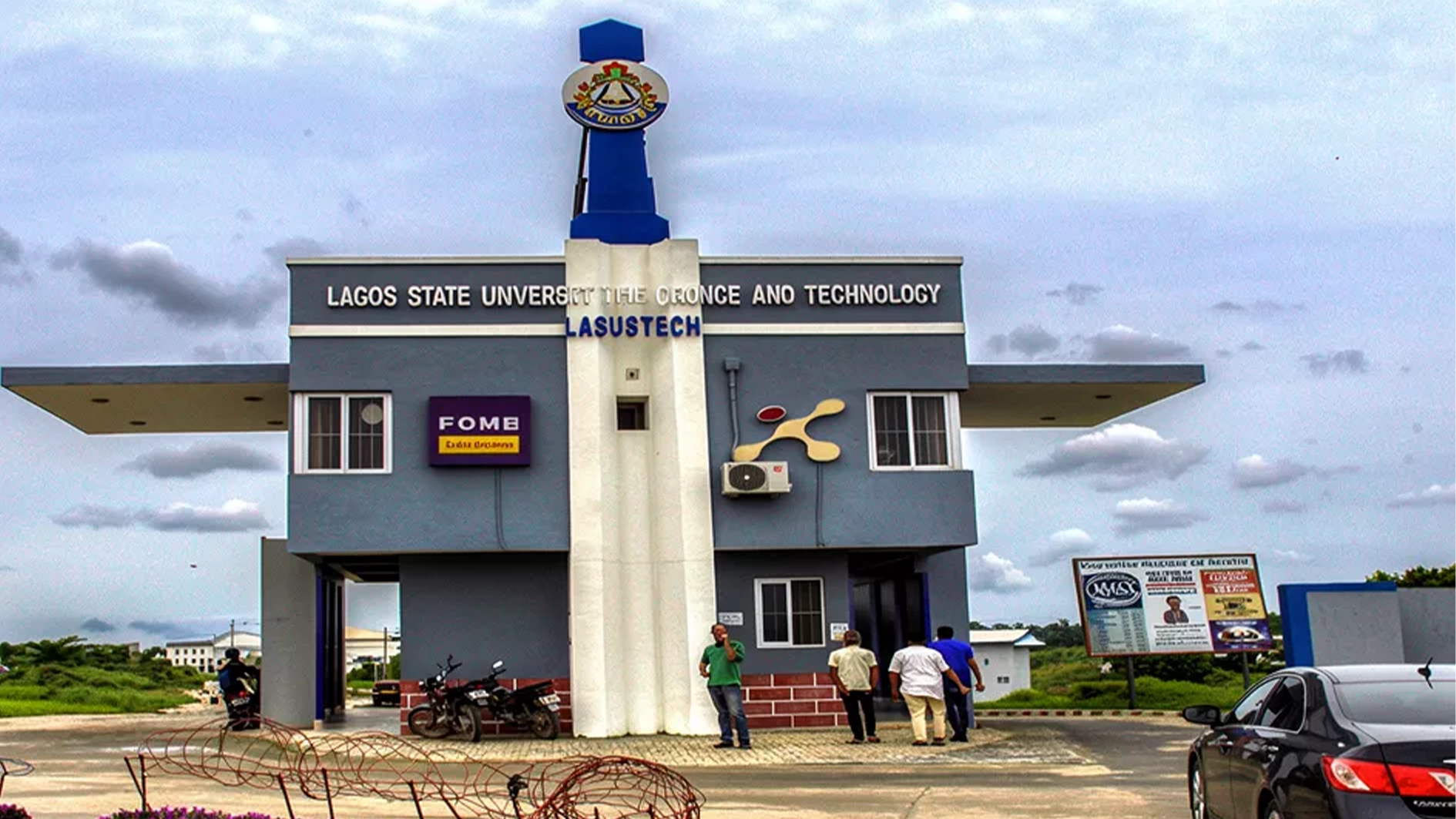
When Lagos State University of Science and Technology (LASUSTECH) marked its fourth Founder’s Day on February 2, 2026, the event provided an opportunity to reflect on nearly five decades of growth, from a small college in Isolo to an emerging university of science and technology in Nigeria.
LASUSTECH began in 1977 as the Lagos State College of Science and Technology (LACOSTECH). Classes officially started in January 1978 at a temporary site in Isolo before moving to the permanent campus in Ikorodu. In 1986, the institution was renamed Lagos State Polytechnic (LASPOTECH), a name it carried for more than 35 years.
During its years as a polytechnic, LASPOTECH became known for producing skilled middle-level manpower in engineering, science, management, and applied technology. Its programmes were accredited by the National Board for Technical Education (NBTE), equipping graduates with practical skills that meet the demands of industry with its multifaceted shapes.
The transition to a university took place on February 2, 2022, when Governor Babajide Sanwo-Olu signed a bill converting the polytechnic into a university of science and technology. The move aimed to expand access to higher education in science, technology, and innovation, while positioning Lagos as a centre for research and technical expertise.
On February 8, 2022, the then Executive Secretary of the National Universities Commission (NUC), Professor Abubakar Adamu Rasheed, formally presented the university’s certificate to the governor, completing LASUSTECH’s transformation.
From its inception as a university, LASUSTECH adopted a collegiate system to organise its academic programmes. The university comprises colleges focused on agriculture, applied social sciences, basic sciences, engineering technology, and environmental design and technology.

The College of Agriculture offers programmes including agricultural economics, crop protection, horticulture, animal production, animal breeding and genetics, and fisheries management. The College of Applied Social Sciences provides courses in accounting, economics, actuarial science, banking and finance, mass communication, marketing, office and information technology, tourism and hospitality management, and business administration.
The College of Basic Sciences covers industrial chemistry, microbiology, botany, zoology, physics with electronics, mathematics, industrial mathematics, and computer science. Engineering programmes include civil and construction engineering, computer engineering, electrical and electronics engineering, mechanical engineering, mechatronics, chemical engineering, agricultural engineering, and biotechnology and food technology.
The College of Environmental Design and Technology offers architecture, estate management, quantity surveying, urban and regional planning, building technology, and arts and industrial design.
Guided by the philosophy of “For Learning and Service,” LASUSTECH aims to develop scientific and technological skills while producing graduates who can contribute effectively to society. The emphasis is research that addresses societal challenges, promotes innovation, and encourages collaboration between academia, industry, and government. Programmes such as the Academic Research, Innovation and Development (ARID) initiative reflects this goal.
The university also balances academic theory with practical learning. International collaborations bring in scholars and experts to broaden the knowledge available to students. Its programmes focus on success, enterprise, and leadership, preparing graduates to excel in both professional and research environments.
The transition from polytechnic to university has posed several challenges. According to the Vice-Chancellor, Professor Olumuyiwa Odusanya, the differences between the two institutions are significant. Polytechnics primarily produced middle-level manpower through OND and HND programmes, while universities aim to train highly skilled professionals. Universities operate under stricter requirements, such as ensuring that lecturers hold PhDs, and must maintain appropriate staff-student ratios. Accreditation rules also require that new programmes be fully approved before students can be admitted. Funding remains a challenge, particularly for a newly established university, yet LASUSTECH has grown rapidly, expanding from zero students to nearly 30,000 in four years, with 39 programmes presented to NUC for accreditation.
Staff development has been a key focus. The university has organised workshops and training sessions for academic, administrative, and technical staff. These cover curriculum design, research methods, intellectual property, outcome-based education, and integrating technology into the workplace. Industry partnerships help keep teaching relevant, with professionals serving as adjunct lecturers and advisors to complement academic instruction.
Student numbers have grown steadily. The first intake in 2022/2023 included 2,870 undergraduates. By the 2023/2024 session, enrolment had risen to 5,870. In 2025/2026, a total of 3,272 students joined, bringing the total population to 9,142. Meanwhile, LASPOTECH operations are gradually winding down, making way for a fully established university system.
The shift from polytechnic to university has also brought a cultural change. LASUSTECH now emphasises academic excellence, critical thinking, and industry relevance. Laboratories for microbiology, chemistry, and zoology have been built, equipped with modern tools such as chemical reactors, centrifuges, and computer labs to support practical learning. New buildings, including research laboratories, auditoriums, and hostels, reflect the university’s investment in infrastructure to support its expanded academic and research mandate.
Transitioning from a polytechnic to a university has also meant redefining the teaching and learning environment.
To meet these challenges, LASUSTECH invested heavily in staff development. Workshops and training sessions were organised for academic, administrative, and technical staff, covering curriculum design, research methodology, intellectual property, outcome-based education, and the integration of technology into daily operations.
Industry partnerships play a key role in teaching, with experienced professionals brought in as adjunct lecturers and advisors to complement academic instruction. This ensures that students gain practical insight while developing critical thinking and problem-solving skills.
The university has also been deliberate in cultivating a culture of excellence. Students now engage with laboratories equipped for microbiology, chemistry, and zoology, complete with modern equipment. A zoological garden allows students to study species first-hand, bridging classroom theory and real-world observation. These investments create an environment where research, innovation, and practical learning can flourish side by side.
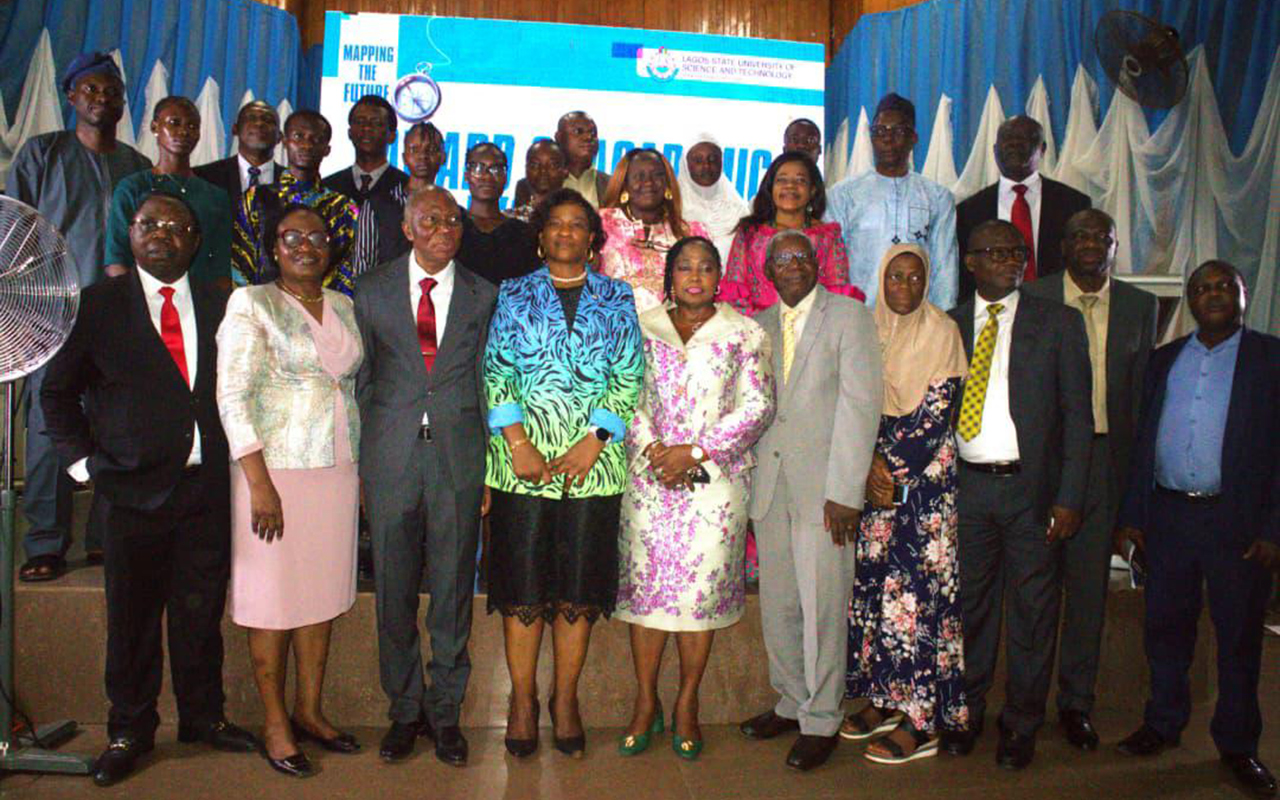
Student achievements are already demonstrating the impact of this approach. During the fourth Founder’s Day celebration, several students were recognised for outstanding academic performance across all colleges. Ruth Ayomide Ajayi of the Department of Animal Science emerged as the overall best student of the university, achieving a CGPA of 4.97. Elizabeth Mofiyinfoluwa Osofisan of Economics earned a 4.94, and Aishat Ajoke Osho of Computer Science achieved 4.95. Oluwagbenga Ayomikun Adeleke in Mechanical Engineering recorded 4.8, while Solomon Oyindamola Asifa in Architecture scored 4.76. Some of these students received the Prof. Adebisi M. Balogun Scholarship award, reflecting the university’s commitment to recognising academic excellence.
The awards extended beyond academic achievement to encourage financial support for ongoing studies. Some of these recipients were recognised as University Scholars, receiving a 50 percent remission of administrative fees. The best students from Epe local council; best female student, Margret Oluwadamilola Odumosu, and the best male student, Kehinde Kazeem Mustapha, each received a special scholarship of one hundred thousand naira, further cementing the university’s culture of merit and reward for excellence.
LASUSTECH has also embraced research and innovation as part of its identity. Laboratories are fully equipped for applied science and technology projects, allowing students and staff to explore practical solutions to real-world challenges. Modern computer labs, engineering workshops, and chemical research facilities provide the foundation for research-intensive programmes. Field practitioners and industry collaborations further ensure that academic knowledge is consistently linked to practical application.
International engagement is another pillar of the university’s growth. LASUSTECH has joined the Association of West African Universities and the Association of African Universities, participating in conferences, collaborative research, and skill-sharing initiatives. Memorandum of understanding with institutions across Africa provides platforms for staff and student exchanges, joint research projects, and exposure to global best practices. These partnerships strengthen LASUSTECH’s ability to offer programmes that are both locally relevant and internationally competitive.
The university has also made its mark in national innovation competitions. Students recently won first place at the Cavista Technologies Hackathon, a contest designed to encourage collaboration, problem-solving, and creative technological solutions.
The team, composed of students from Computer Science and Mechatronics Engineering, received a cash award for their project, demonstrating the university’s ability to nurture talent that can compete at high levels and contribute meaningfully to society.
Infrastructure continues to grow in tandem with academic expansion. TETFund interventions have supported the construction of key facilities, including a professorial building, a central research laboratory, lecture halls, and hostels. A mass communication building is nearing completion, alongside digital learning centres that equip students with access to online resources and research tools.
Solar power systems and upgraded laboratories ensure sustainability and modernity across campus. The university’s commitment to infrastructure underscores the link between physical development and academic performance, providing students with a learning environment that matches international standards.
LASUSTECH’s efforts are already receiving recognition. In 2024, the university was ranked in the 1500+ band by Times Higher Education in its Impact Ranking, which measures the contributions of universities to society using the United Nations Sustainable Development Goals as a benchmark. This places LASUSTECH among a select group of Nigerian universities making measurable societal impact. Membership in the Association of West African Universities and the Association of African Universities further affirms its growing influence across the continent, enabling collaboration, benchmarking, and knowledge sharing with established institutions.
TETFund interventions have played a major role in strengthening the university’s capacity. In 2024 alone, LASUSTECH received over five billion naira for infrastructure, research, and staff development. These funds have supported the construction of laboratories, hostels, lecture halls, and research facilities, while enabling staff to attend conferences, acquire higher degrees, and participate in capacity-building workshops. The university has also received specific grants for research projects, such as developing maize varieties resistant to pests, showcasing LASUSTECH’s commitment to using science and technology to address national challenges.
The university continues to invest in human capital. Workshops for deans, department heads, administrative staff, and academic technologists ensure that the staff remain updated on best practices in teaching, research, and administration. Security officers, bursary and internal audit teams, and library staff have all participated in targeted training sessions to strengthen their contributions to campus life. Academic staff benefit from engagement with industry experts, internships, and field collaborations, ensuring that both teaching and research remain closely tied to real-world applications.
Beyond campus walls, LASUSTECH seeks to play a role in Lagos and Nigeria’s broader development. The university invites private sector organisations, philanthropists, and community stakeholders to participate in its vision, supporting infrastructure, research, and innovation. By fostering partnerships with government agencies, industry players, and international institutions, LASUSTECH aims to create graduates who are not only academically competent but also equipped to lead, innovate, and solve societal problems.
Looking ahead, the university’s leadership is focused on sustaining growth while maintaining quality. Expansion of student numbers is carefully managed, infrastructure continues to improve, and staff development remains a priority.
The fourth Founder’s Day celebration reflects the progress made in just four years as a university, while also signalling the ambition and vision that drive LASUSTECH forward. From its early days as a small technical college to its current role as a university of science and technology, the institution has shown that careful planning, strategic investment, and a focus on quality can transform educational outcomes.
LASUSTECH represents opportunity and innovation. The university’s combination of academic rigour, practical training, industry engagement, and international collaboration positions it as a model for the future of higher education in Nigeria.

