 Follow Us on Google News


 Follow Us on Google Discover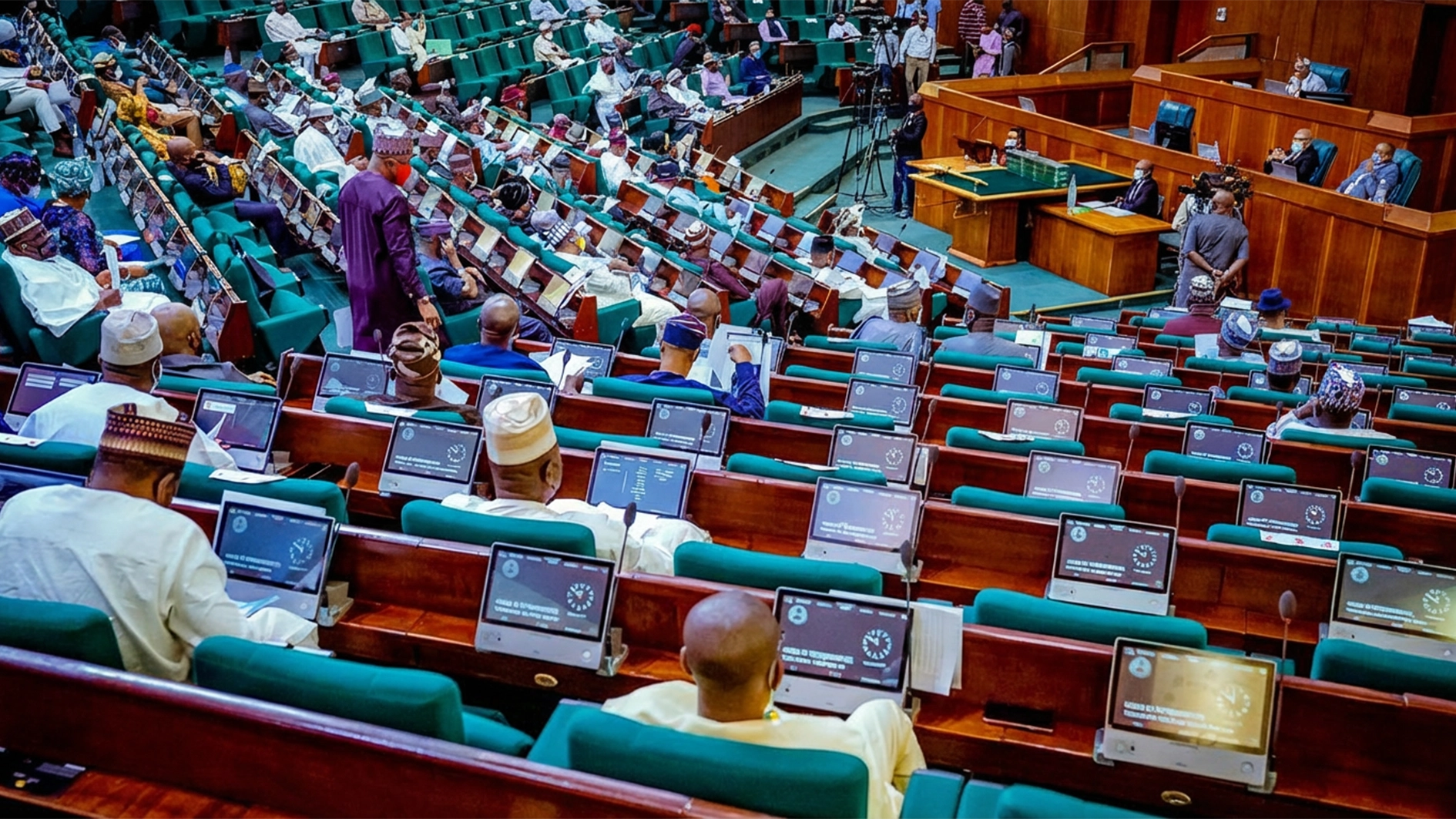
• Urge FG to rescind blanket ban on degrees from Benin, Togo
The House of Representatives Committee on Finance has raised concern over discrepancies in the reported volume of sugar imported into Nigeria and the revenue accruing to the National Sugar Development Council (NSDC).
It also directed the Nigerian National Petroleum Company Limited (NNPCL) to provide detailed information on the country’s oil assets and equity participation in oil wells across the federation.
Chairman of the committee, James Faleke, expressed the concerns during the panel’s ongoing Revenue Monitoring Exercise covering the 2023–2025 fiscal years, when Executive Secretary of the NSDC, Kamar Bakrin, appeared before lawmakers to provide details on sugar importation and revenue generation in the sector.
During the session, Faleke questioned the accuracy of the council’s data on sugar imports, noting that the figures presented by the agency might not accurately reflect the actual volume of sugar entering the country.
Responding, Bakrin explained that the NSDC does not directly collect revenue from sugar imports.
According to him, the Nigeria Customs Service (NCS) is responsible for collecting the sugar levy at the ports and remitting the funds into the appropriate government accounts.

He clarified that the council’s role in the importation process is largely regulatory and advisory.
Bakrin said companies seeking to import raw sugar must obtain import licences, which are issued following recommendations by the council based on the performance and compliance level of operators and processors in the sector.
The recommendations, he said, are transmitted through the supervising ministry to the President for final approval.
Bakrin pointed out that about two million metric tonnes of raw sugar importation were approved within the period under review.
He added that the NSDC funds its operations primarily through a portion of the sugar levy collected by the NCS.
The funds, Bakrin observed, are released periodically by the Office of the Accountant General of the Federation based on appropriations approved by the National Assembly.
He explained that the council typically writes to the Office of the Accountant General on a quarterly basis to request releases to fund its projects and programmes aimed at developing the nation’s sugar sector.
But Faleke maintained that the council must establish a more reliable mechanism for verifying the actual volume of sugar imported into the country.
He stressed that relying solely on figures supplied by the NCS may lead to discrepancies and could ultimately affect the accuracy of government revenue records.
The lawmaker warned that the data currently available to the council appears to underestimate the true quantity of sugar entering the Nigerian market, adding that the development raised concerns about potential revenue leakages.
Faleke urged the NSDC to strengthen its monitoring and reconciliation framework with relevant agencies, particularly the NSC, to ensure accurate data management and greater transparency within the sector.
He emphasised that proper tracking of imports is critical for effective revenue generation and accountability.
On the NNPCL, Faleke specifically instructed the organisation’s Financial Controller, Tajudeen Karim, to submit a comprehensive breakdown of all oil wells in which Nigeria has equity participation.
The committee requested a detailed list indicating the ownership structure of the wells, including those operating under Joint Venture (JV) arrangements, Production Sharing Agreements (PSAs), and wholly owned assets.
According to Faleke, the information should also include production volumes from each well and the corresponding share accruing to Nigeria under the applicable agreements.
He added that once the committee receives the full list of oil wells and their shareholding structures, the NNPCL would be required to present production data alongside Nigeria’s equity share in line with the contractual agreements governing each asset.
Faleke directed that all the requested information must be properly reflected in supporting documents submitted to the committee to enable effective verification.
The committee stated that the ongoing exercise forms part of the National Assembly’s oversight responsibility to ensure transparency, accountability and proper remittance of revenues by government agencies into the Federation Account.
In nother development, the Green Chamber has asked the Federal Government to rescind its blanket invalidation of degrees and certificates obtained from the Republics of Benin and Togo.
The resolution followed the consideration and approval of reports from its Committee on Public Petitions, which reviewed concerns raised after the Federal Government announced a ban on recognising university degrees from the two West African countries.
The House urged the Federal Government to adopt a case-by-case verification mechanism to address confirmed instances of fraud, rather than imposing a blanket sanction.
It also recommended that the Federal Ministry of Education should work closely with education authorities in Benin and Togo to strengthen verification frameworks, curb academic fraud, and authenticate foreign qualifications.
In addition, the lower legislative chamber suggested that the Federal Government, through the Ministry of Information and the National Orientation Agency, should raise public awareness to educate Nigerians on verifying the accreditation status of foreign institutions and obtaining homologation or equivalent certification where applicable.

