GDN SIDEBAR
From royal influence to modern fashion, the white wedding dress owes more to status and style than the symbolism many associate with it today.
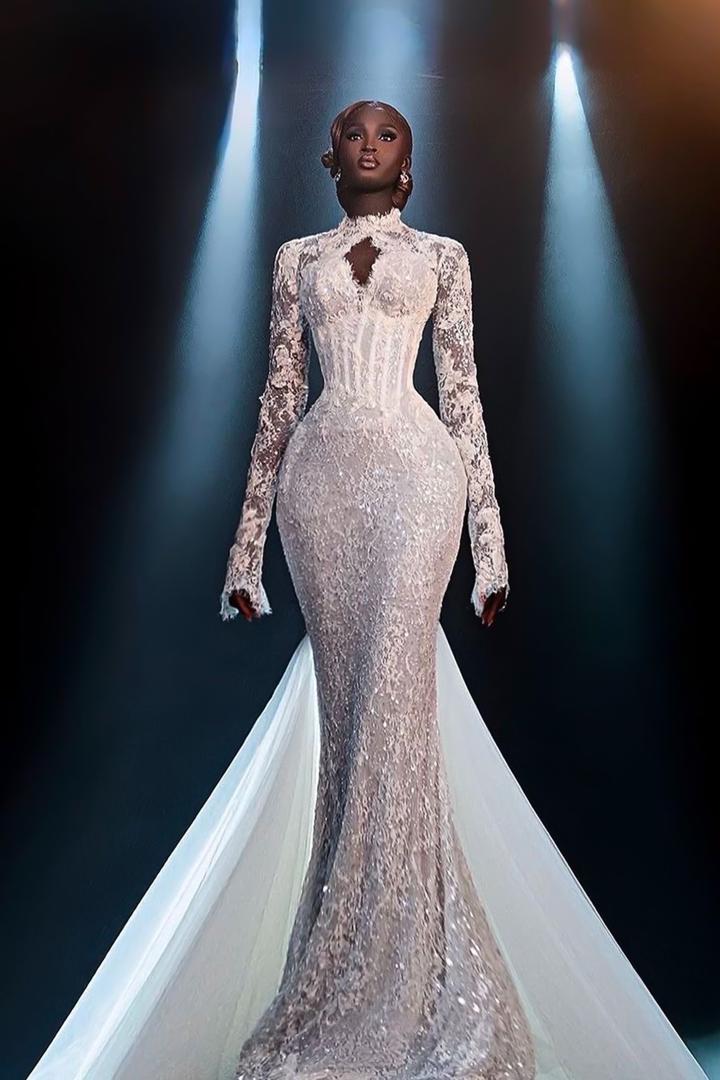
For something so widely accepted, the white wedding dress has a surprisingly unconventional history. Many people assume it symbolises purity or innocence, but that idea came much later.
Before the 19th century, brides did not wear white. Instead, they chose their best dress, regardless of colour.
Weddings were not about a single-use outfit; they were about practicality. A bride needed a dress she could wear again, and white was simply too difficult to maintain.
The shift began in 1840, when Queen Victoria married Prince Albert in a white gown. At the time, her choice was unusual. White fabric was expensive to clean and easy to stain, making it a symbol of wealth rather than virtue. By wearing it, she made a statement about status.
The wedding was widely publicised, and her dress caught attention. Women across Europe began to copy the look, not for its meaning, but for what it represented. Over time, white became associated with weddings, and the original reasoning was gradually replaced with new interpretations. The idea that white symbolised purity gained popularity through religious and cultural influence, even though it was not part of the original trend.
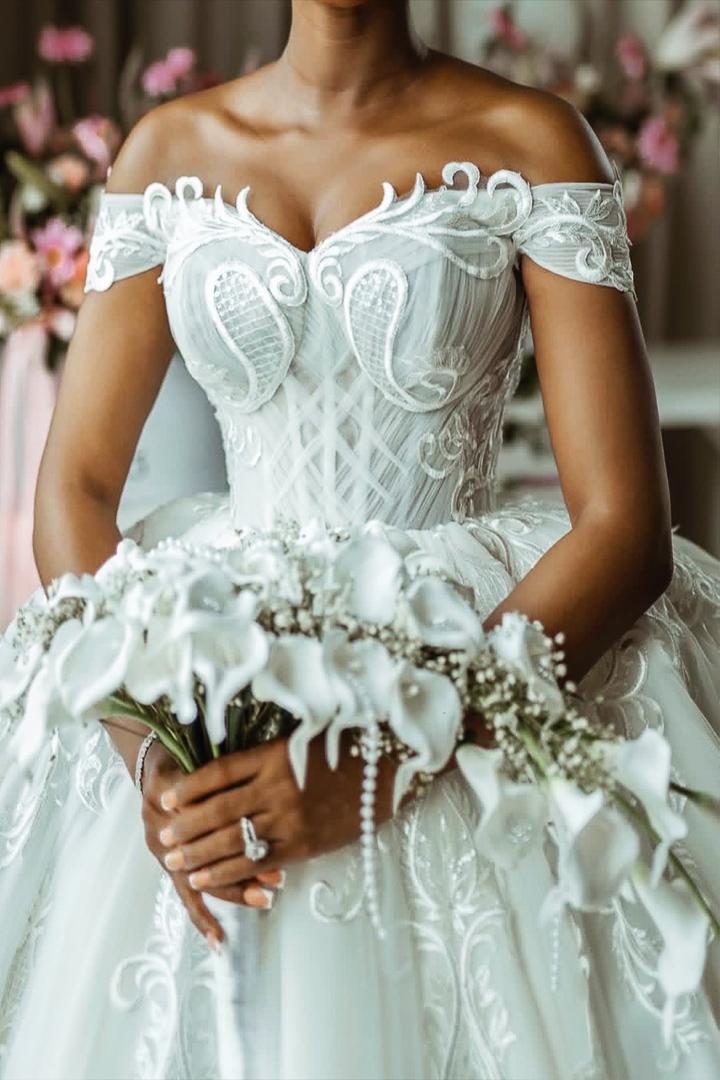
By the 20th century, the white wedding dress had become firmly established. Films, magazines, and celebrity weddings reinforced the image, turning it into a global standard. What started as a royal fashion choice evolved into an expectation.
Today, however, many brides still choose white, but often for aesthetic reasons rather than tradition. Others are moving towards softer shades like ivory and champagne, while some opt for bold colours that reflect their personality. The modern bride is less concerned with following history and more focused on personal expression.
In the end, the white wedding dress is less about tradition than people think. It is a trend that endured, adapted, and eventually became symbolic. What it means now depends entirely on the person wearing it.