 Follow Us on Google News
 Follow Us on Google Discover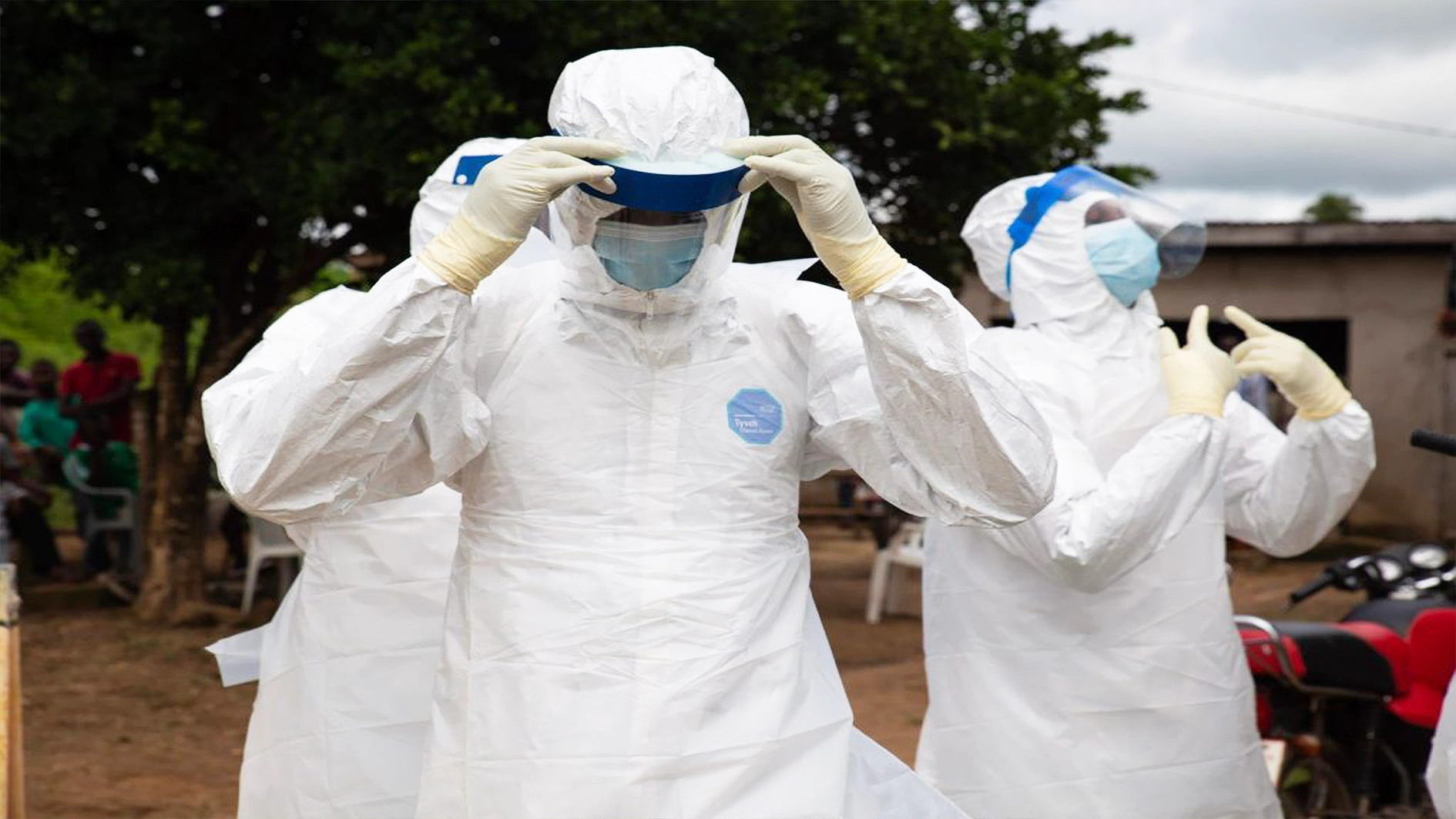
The World Health Organisation (WHO) has declared a Public Health Emergency of International Concern (PHEIC) following the outbreak of Ebola disease caused by the Bundibugyo virus in the Democratic Republic of the Congo (DRC) and Uganda.
In a statement issued under the International Health Regulations (2005), the WHO Director-General said the outbreak met the criteria for a global health emergency due to its growing spread, the risk of international transmission, and the need for coordinated international response efforts.
However, WHO clarified that the outbreak does not currently qualify as a pandemic emergency under the regulations.
WHO said the declaration followed consultations with the governments of the DRC and Uganda, as well as an assessment of scientific evidence, risks to human health, the likelihood of international spread, and the potential impact on international travel and trade.
The organisation commended both countries for taking necessary and vigorous actions to contain the outbreak and for openly sharing information that would allow other countries and the global community to strengthen preparedness measures.
According to WHO, the outbreak has rapidly evolved in recent days, with eight laboratory-confirmed cases, 246 suspected cases, and 80 suspected deaths recorded in Ituri Province of the DRC across at least three health zones: Bunia, Rwampara and Mongbwalu.

WHO also confirmed that Uganda recorded two laboratory-confirmed Ebola cases, including one death, in Kampala on May 15 and 16 among individuals who travelled from the DRC. The agency noted that the two cases had no apparent link to one another and were both admitted to intensive care units in Kampala.
Meanwhile, the Nigeria Centre for Disease Control and Prevention (NCDC) has intensified surveillance and preparedness measures across the country following the outbreak of Ebola Virus Disease (EVD) in the DRC and a confirmed imported case in Uganda linked to the outbreak.
Director-General of the NCDC, Dr Jide Idris, however, assured Nigerians that there is currently no confirmed case of Ebola Virus Disease in Nigeria.
In a public health advisory issued on May 17, 2026, the agency said it was closely monitoring the evolving situation in collaboration with relevant stakeholders, including the Port Health Service under the Federal Ministry of Health and Social Welfare, to ensure vigilance within Nigeria’s public health system.
According to the NCDC, response activities are ongoing in affected areas of the DRC and Uganda, with health authorities in both countries implementing emergency public health measures such as enhanced surveillance, laboratory testing, infection prevention and control, case management, contact tracing, and risk communication.
In addition, the WHO disclosed that another laboratory-confirmed case had been identified in Kinshasa involving an individual who recently returned from Ituri Province.
The organisation said unusual clusters of community deaths with symptoms consistent with Bundibugyo virus disease had also been reported across several health zones in Ituri, while suspected cases had emerged in both Ituri and North Kivu provinces.
The agency further expressed concern over reports of at least four deaths among healthcare workers in circumstances suggestive of viral haemorrhagic fever and warned that the situation pointed to possible healthcare-associated transmission and weaknesses in infection prevention and control measures.

