GDN SIDEBAR
NEED TO KNOW
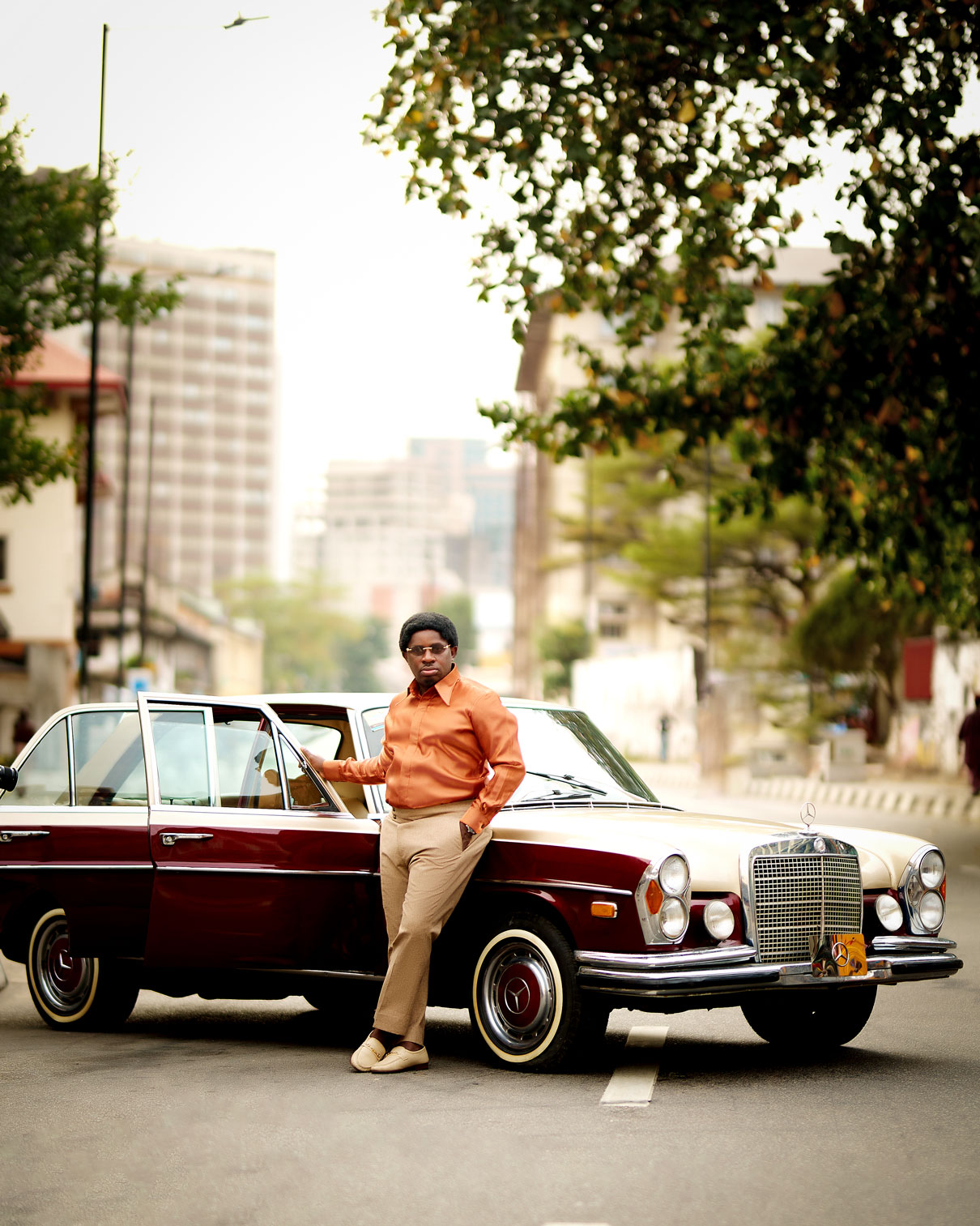
- Oluwatobi Fletcher, known as Ofadaboy, has family roots in Ofada, Ogun State, and began cooking for his father at nine.
- He founded Ofadaboy in 2009 after catering his father’s burial in Lagos. He runs the business with his wife and co-founder, Oyindamola Fletcher.
- He launched the Ofada Rice Day Festival in Lagos in 2019 to celebrate locally grown Ofada rice
- In 2025, he led an African dinner at Vinitaly in Italy and won the Afrikan Fusion Culinary Excellence Award in Stockholm, Sweden.
- He became president of the Association of Professional Food Service Providers of Nigeria (APFSPN) in August 2025.
In 2009, Tobi Fletcher’s family paid a caterer’s deposit for his father’s burial in Lagos but could not afford the balance. Fletcher took over. His aunt helped buy the ingredients, he hired cooks, and his friends served the guests.
He chose Ofada rice to honour his father and their family’s roots in Ofada, Ogun State. Fletcher had been cooking for his father since he was nine. He started Ofadaboy that year and now runs it with his wife and co-founder, Oyindamola Fletcher.
In April 2025, Fletcher led an African wine dinner at Vinitaly in Italy. The menu paired moi moi and akara with Prosecco and served ossobuco with ewedu, gbegiri and pepper sauce.
Ahead of the eighth Ofada Rice Day Festival on 6 December at Muri Okunola Park, Victoria Island, Fletcher tells Guardian Life how he built his catering business and what he wants the festival to do for farmers and food vendors, among others.
Where did your interest in cooking begin, and how did preserving food culture become part of your work?
I am a food entrepreneur, a hospitality practitioner and a proud custodian of our culture.
My father was a major influence on me. I started cooking for him when I was nine, so my relationship with food began long before I considered making a business out of it. Connection to family still shapes what I do today.
I run Ofadaboy with my wife and business partner, Oyindamola. I am also the Founder and Convener of the Ofada Rice Day Festival and President of the Association of Professional Food Service Providers of Nigeria (APFSPN).
How did you get into the Ofada rice business?
It started with my father’s burial in 2009. I was involved in the arrangements, including the catering. We had planned to use a caterer, but after making a deposit, we could not afford the full bill. I decided to organise the food ourselves.
An aunt helped with purchasing the ingredients; I brought cooks together and arranged the equipment, and my friends helped serve the guests. What began as a family responsibility showed me that my love for cooking could become something more.
Choosing Ofada rice was also personal. It was a way of honouring my father and our family’s connection to Ofada. Seventeen years later, that meaning has not changed. The business has grown, but I still remember why it started.
What did Ofada rice mean to you growing up?
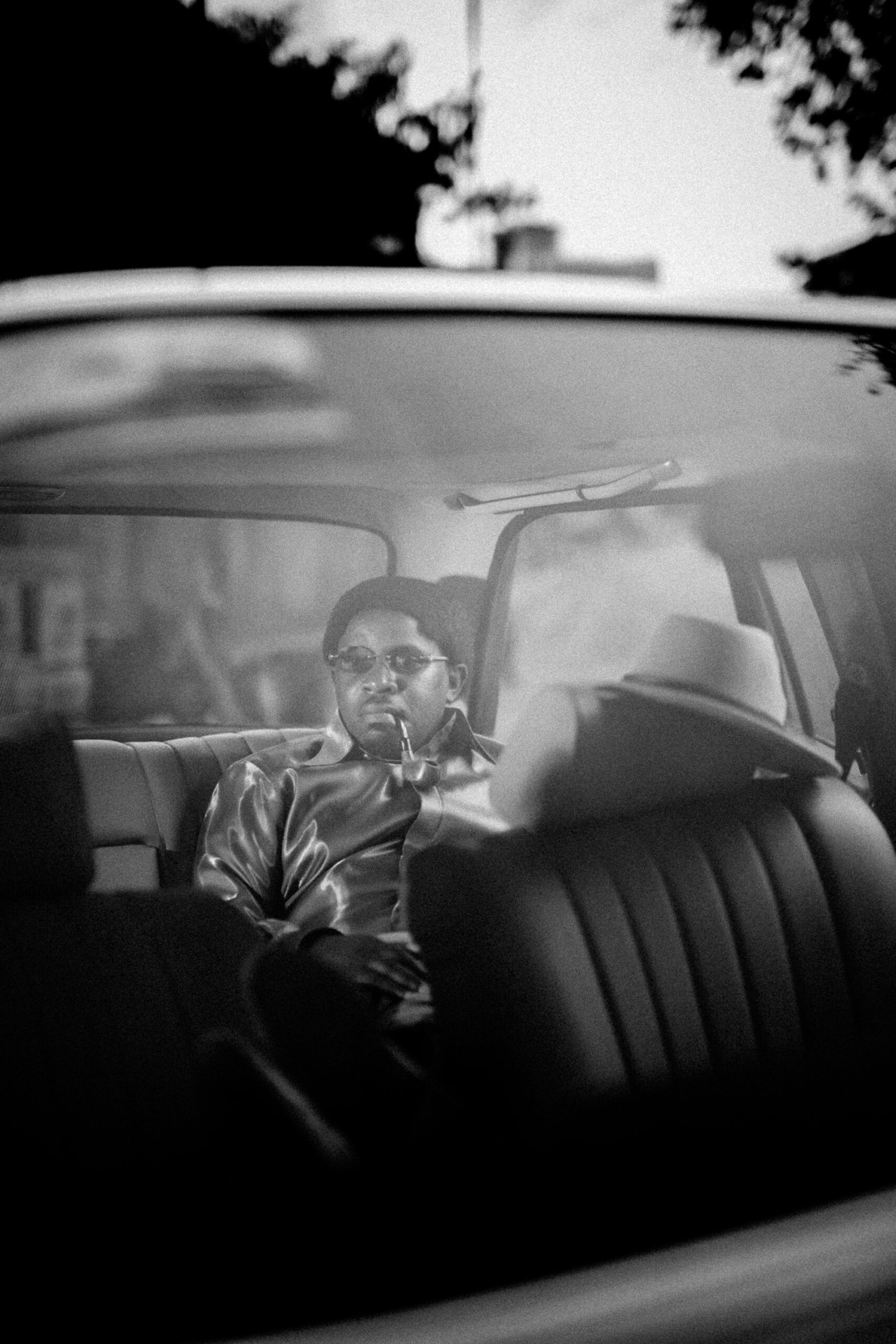
My connection to food goes back to childhood. I was cooking for my father from the age of nine, and he remains central to the story of why I eventually built a business around Ofada rice. For me, the dish is connected to family and where we come from, not simply to a restaurant menu.
What was the difference between catering the burial and taking on your first paid job?
The starting point was the catering I organised for my father’s burial. That was a family occasion, and I would separate it from my first commercial order. One gave me the confidence to begin; the other marked the moment someone trusted me enough to pay for the service.
What did you get wrong when you started running a food business?
One lesson I have had to learn is that creativity and cooking ability are not enough on their own. A business also needs structure.
I have spoken before about wanting to control too many aspects of an event. When everything depends on your personal attention, you put yourself under unnecessary pressure and leave too little room for other people to take responsibility. The risk is burnout.
Building a team and taking administration seriously are essential. The business must deliver consistently, not only when the founder is personally watching every detail.
What role has Oyindamola played in building Ofadaboy?
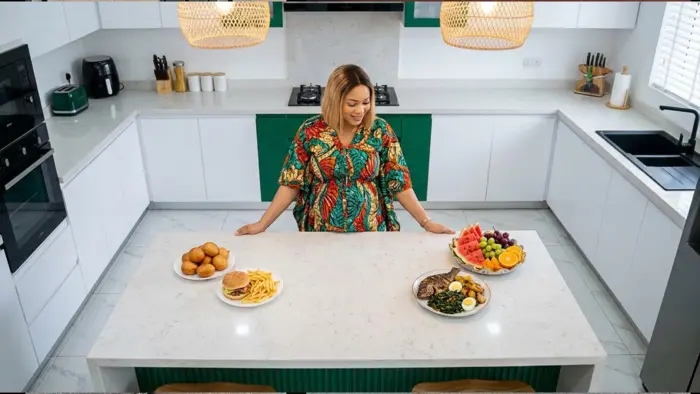
A great deal. Oyinda is not simply my wife supporting a business from the sidelines. She is our co-founder and Chief Operating Officer, and her contribution to the administration of the business has been essential to our growth.
She brought professional experience into Ofadaboy and left a multinational career to build the business with me. That was a serious commitment.
People often associate the brand with my face, the food and the public appearances, but there is a business that must function behind all of that. Her contribution deserves to be recognised.
We have different strengths, and that has helped us. I would not tell the Ofadaboy story properly if I left her out of it.

How has the way you present Ofada rice changed over the years?
I do not believe that making our food more polished should mean taking away its identity. That has been an important part of the Ofadaboy approach: giving indigenous food the presentation and hospitality it deserves without treating its roots as something to hide.
Presentation has become a bigger part of the experience over the years. You can plate a local meal thoughtfully and serve it in a contemporary setting while still allowing people to recognise and connect with the food.
For me, improvement should help people appreciate the dish, not turn it into something completely different.
What did you serve at Vinitaly in April 2025, and how did you choose the wines?
From the menu Fletcher supplied: The African Wine Dinner on 7 April opened with moi moi and akara alongside Villa Sandi Prosecco. Duck suya followed. The main courses included cod with okra and spring onions, paired with Gavi di Gavi, and ossobuco with ewedu, gbegiri and pepper sauce. The dessert course listed palm wine and coconut panna cotta alongside Moscato d’Asti and Lambrusco Amabile. The menu credited Fletcher alongside chefs Miyonse Amosu and Immaculate Ruému.
When you led the African dinner at Vinitaly, what assumption about Nigerian food did you want to challenge?
I wanted to challenge the assumption that Nigerian food is just local, traditional or limited to what people already know. Nigerian cuisine is rich, diverse, sophisticated and deserving of a place on the global culinary stage.
More importantly, our stories are not being told enough. We have incredible ingredients, culinary techniques, food heritage and cultural depth, but we haven’t done enough to document, package and tell these stories to the world. I wanted people to see that Nigerian food is not just something to taste; it is a culture, an identity and an experience worth celebrating globally.
How do you respond when a customer is unhappy?
I try not to describe someone as a difficult customer. If a customer is unhappy, I first want to understand what went wrong from their point of view. They paid for an experience, and it is important to hear them properly before defending yourself.
My approach is to listen, remain calm and work out how to resolve the issue. The follow-up matters too. You cannot assume that everything is fine simply because the conversation has ended.
Some customer relationships have become stronger because of how we handled a problem. Hospitality is not only about getting everything right; it is also about taking responsibility when something goes wrong.
What goes into the price of a plate of Ofada rice?
A plate costs more to produce than the rice and sauce alone. You have to consider the protein, cooking ingredients, labour, energy, packaging or service, and the running costs that keep the business sustainable.
The portion and service format also matter. A restaurant plate and an outdoor catering order are not necessarily the same calculation.
I want our food to remain accessible, but indigenous food should not be underpriced simply because it is local. The aim is a price that respects the customer and allows the business to maintain its standards.
What do you want diners to know about the people who grow and supply Ofada rice?
For me, sourcing is part of the wider Ofada story. The restaurant is where many customers encounter the product, but there are growers, processors and traders behind that plate.
If we want people to value home-grown rice, we must also pay attention to the people producing it and the quality that reaches the customer. I do not want the conversation about Ofada rice to end at taste and presentation. Farmers should have a voice in it too.
What did you and Oyinda want the Ofada Rice Day Festival to do for farmers and food vendors, and what has it achieved so far?
We wanted people to see more than a plate of rice. We wanted them to appreciate the people and knowledge behind our indigenous meals.
For food vendors, the festival creates an opportunity to showcase their work to a wider audience. For farmers, our aim is to generate more interest in the product they grow and the story behind it.
One achievement we can point to is the space we have created for veteran food vendors from different parts of the Southwest. Their food and experience become part of the same conversation as contemporary hospitality, music and culture. That recognition matters, particularly when younger people are discovering these dishes and traditions.
We have also supported scholarship and hospitality-learning opportunities through collaborations. The Ofadaboy Charity Foundation gives us a platform to develop the giving-back side of the work beyond the festival.
As we prepare for the eighth edition, I want that practical support to keep growing. Success should not be measured only by how many people attend, but also by what remains useful to people after the event.
If you stepped away from the kitchen tomorrow, what would be hardest to hand over?
The part I would be most concerned about is the creative judgement: how we develop the food, present it and make sure the experience still feels like Ofadaboy. There is a difference between following instructions and understanding the intention behind a dish or a service style.
But I do not want the business to depend permanently on me being in the kitchen. After 17 years, the goal should be to pass that knowledge on and develop people who can uphold the standard.
My presence should add value, not become the only reason the business works.

What is your long-term vision for Ofadaboy and the Ofada Rice Day Festival?
I want Ofadaboy to help people see Nigerian food differently. Our food should be something we present confidently, not something that must lose its identity before it can be taken seriously internationally.
For the business, that means improving the hospitality experience and building people and systems that can carry the work beyond me.
For the festival, it means becoming a stronger platform for indigenous-food knowledge, professional learning and cultural exchange. As we move towards the tenth edition, I want more young people to learn from veteran cooks and more useful connections between food businesses and the people who grow and supply our ingredients.
My role as APFSPN President also gives me an opportunity to encourage those professional conversations.
Taking our food and culture to international audiences is part of the ambition, but I want that growth to remain rooted here. If people leave the festival with more respect for our food and the people behind it, and we can turn that interest into lasting opportunities, that is the legacy I want to build.