 Follow Us on Google News


 Follow Us on Google Discover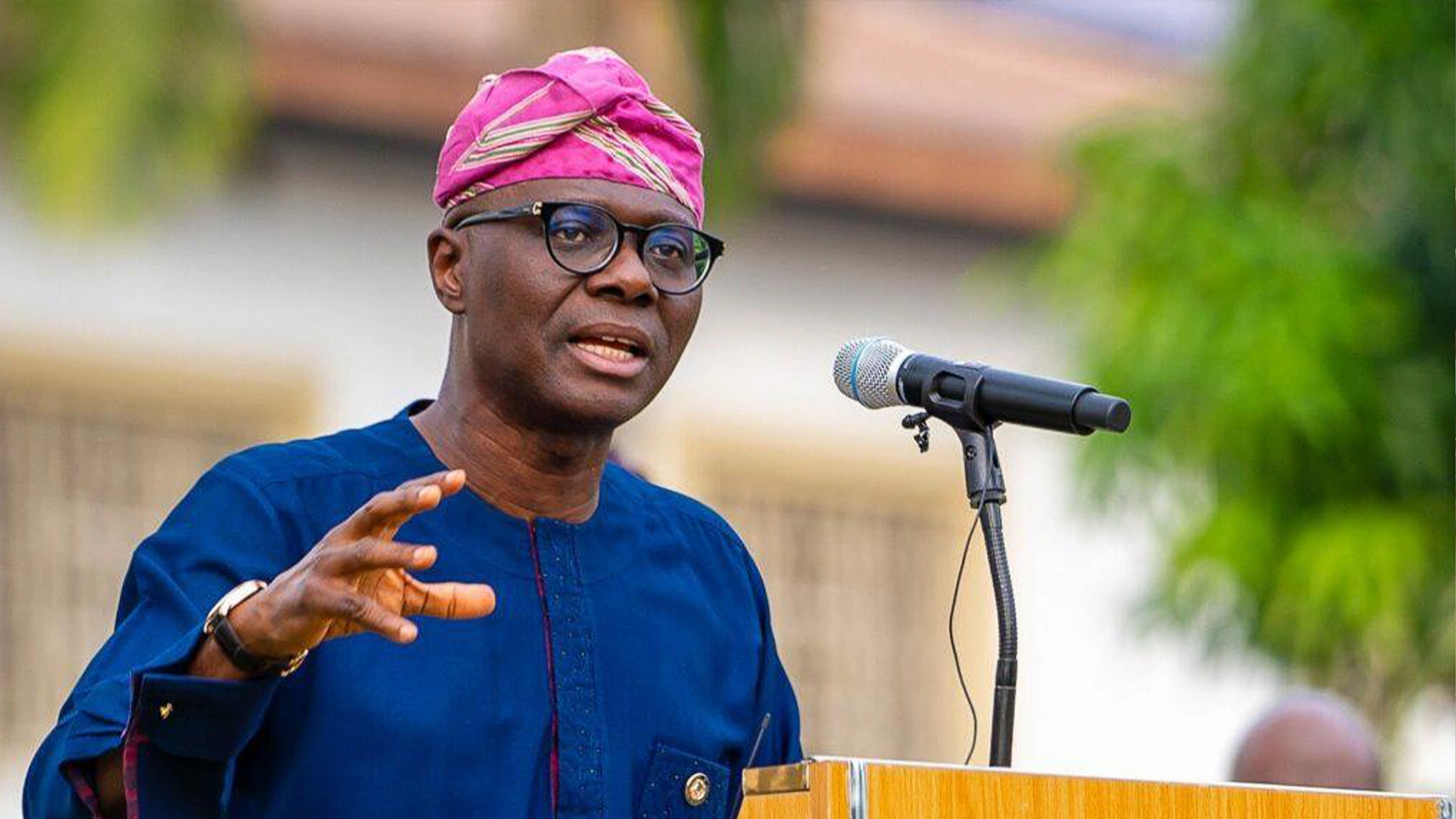
Lagos State Governor, Babajide Sanwo-Olu, and founder of the Citadel School of Government, Pastor Tunde Bakare, led prominent voices across government, academia and the private sector in advocating a new geo-economic framework for Nigeria’s development.
The call was made at the maiden Geoeconomic Optimisation Summit 2026, where stakeholders emphasised the need to align Nigeria’s governance structure with its diversity and economic realities to unlock growth.
Speaking at the summit, Sanwo-Olu outlined Lagos State’s long-term vision to become a global human-centric hub by 2052, anchored on sustained infrastructure development, human capital investment and regional collaboration.
He said Lagos had maintained a consistent growth trajectory since 1999 due to continuity in governance and people-focused policies, adding that the state’s development plan would be reviewed every five years to sustain progress.
According to the governor, Lagos is positioning itself as a global centre for talent, innovation and enterprise, where multinational firms, technology startups and creative industries can thrive.
“We envision Lagos as the human capital hub of the world, a place where thousands of engineers, innovators and creatives will find opportunities,” he said.

Sanwo-Olu described Africa as the next frontier of global growth, noting that Nigeria and Lagos would play a central role due to their youthful population and economic potential.
He also stressed the importance of investing in leadership development, revealing that over 21,500 applications were received for the Citadel leadership academy, with only 30 candidates selected for an intensive one-year programme.
The governor reaffirmed Lagos State’s readiness to partner with investors and neighbouring states, disclosing plans to establish the largest food hub in Nigeria through collaboration with states such as Osun, as well as ongoing regional projects, including a new premier hotel in Ibadan.
Earlier in his address, Tunde Bakare called for a fundamental restructuring of Nigeria’s governance model, arguing that the country’s development challenges stem from a misalignment between its social composition, economic endowments and political structure.
Speaking on the theme, “Geoeconomic Optimisation: Unveiling the Vision,” Bakare identified geo-social, geo-political and geoeconomic factors as the three pillars of the Nigerian state, noting that the lack of harmony among them has hindered national progress.
He criticised the centralised governance system inherited from military rule, saying it had weakened regional productivity and fostered overdependence on federal allocations.
Bakare recalled that Nigeria’s earlier regional structure encouraged competitiveness and economic growth before it was disrupted, adding that a return to a more decentralised framework would enhance productivity.
He explained that the concept of geoeconomic optimisation offers a practical pathway for restructuring by focusing on economic viability, regional strengths and competitiveness rather than purely political considerations.
In his welcome remarks, Executive Director of the Citadel School of Government, Omoaholo Omoakhalen, described the summit as a milestone in advancing conversations on how Nigeria can harness its regional economic potential.
The speakers called for shared commitment among stakeholders to pursue policies that promote decentralisation, innovation and regional competitiveness, with participants expressing optimism that Nigeria can achieve inclusive and sustainable growth through a restructured and economically aligned governance framework.

