 Follow Us on Google News
 Follow Us on Google Discover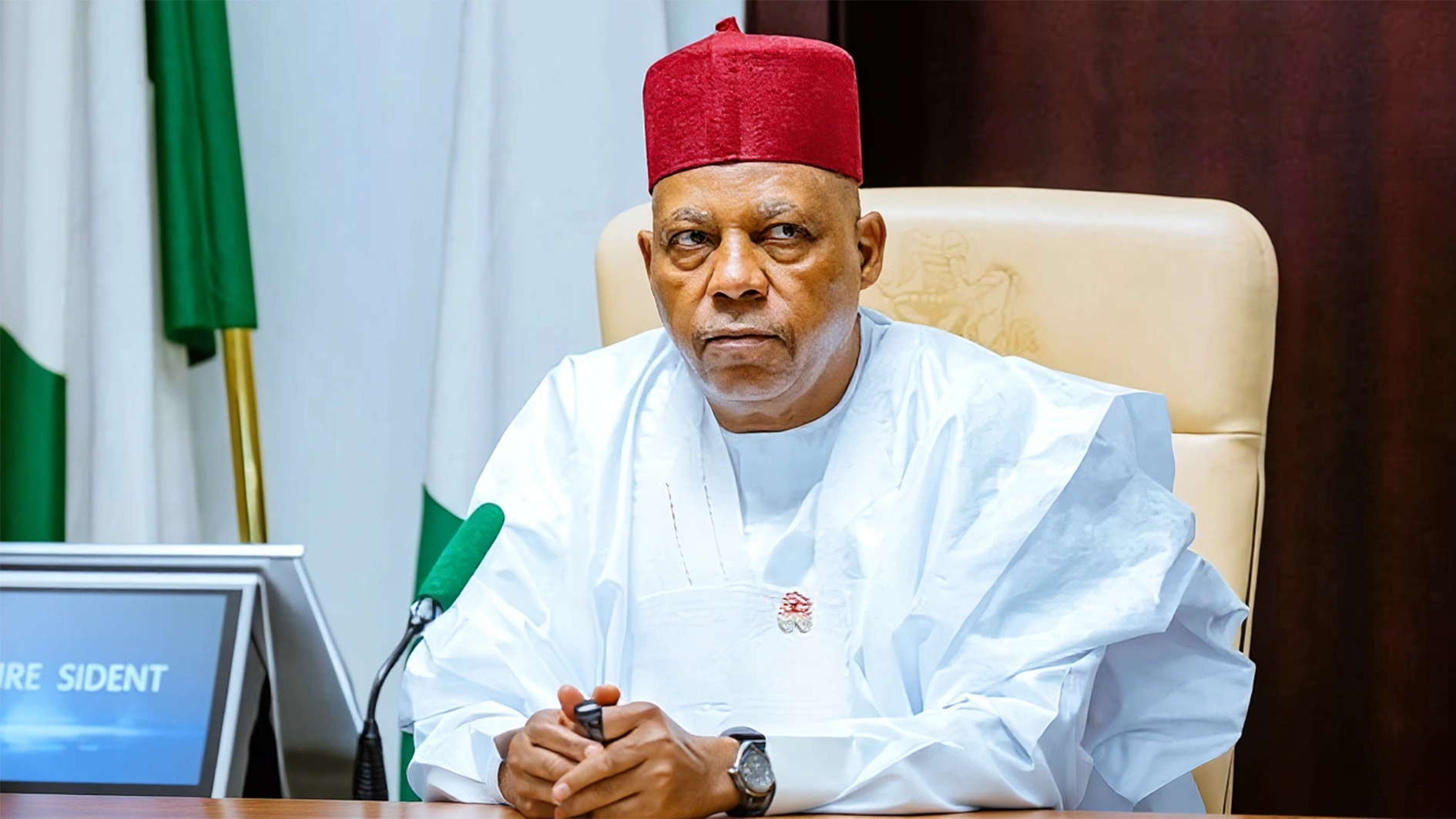
With the July 11 deadline for the submission of candidates’ particulars to the Independent National Electoral Commission (INEC) fast approaching, only a handful of political parties have settled their presidential tickets for the 2027 general election. TUNDE BODUNRIN writes on how the choice of running mates could influence the fortunes of political parties.
While the Nigeria Democratic Congress (NDC) and the African Democratic Congress (ADC) have formally unveiled their vice-presidential candidates, the ruling All Progressives Congress (APC) is widely expected to retain the incumbent Vice President, Kashim Shettima, as President Bola Ahmed Tinubu’s running mate, despite not making an official announcement.

In contrast, uncertainty continues to surround the presidential tickets of the Peoples Democratic Party (PDP), Social Democratic Party (SDP), Peoples Redemption Party (PRP), Allied Peoples Movement (APM) and others, where internal disputes, leadership tussles, post-primary grievances and ongoing consultations have delayed the emergence of running mates.
As political parties race against time to perfect their nominations, the choice of vice-presidential candidates has once again emerged as one of the most strategic decisions that can influence electoral outcomes, party unity, regional balance, and governance effectiveness.
Although presidential elections often revolve around the personalities and programmes of presidential candidates, the office of the Vice President remains one of the most consequential positions in Nigeria’s constitutional democracy.
The Vice President serves as Chairman of the National Economic Council (NEC), a body comprising governors and key economic officials that advises the President on economic affairs and coordinates development policies across the federation.
Under Sections 145 and 146 of the 1999 Constitution (as amended), the Vice President assumes presidential powers whenever the President is temporarily unable to perform official duties and automatically succeeds the President in the event of death, resignation, impeachment or permanent incapacity.
The Vice President is also a statutory member of the Federal Executive Council (FEC), the National Security Council and the National Council of State.
Beyond constitutional responsibilities, political parties often use the vice-presidential slot to achieve regional balance, reward strategic allies, expand electoral reach and reassure various demographic or religious constituencies.
Historically, vice-presidential selections have played significant roles in shaping electoral victories. Former President Olusegun Obasanjo’s choice of Atiku Abubakar in 1999 helped consolidate northern support, while the Buhari-Osinbajo ticket in 2015 successfully combined northern numerical strength with southwestern political influence.
Against this backdrop, the running mates selected for the 2027 contest could significantly affect voting patterns across Nigeria’s six geopolitical zones.
APC: The Shettima factor, stability and continuity
For the APC, all indications point towards continuity. Despite recurring speculation over possible changes to the ticket, party leaders have consistently dismissed reports suggesting that President Tinubu may replace Vice President Kashim Shettima.
A party stalwart in Lagos and former lawmaker who represented Epe Federal Constituency, Lanre Odubote, said the Tinubu-Shettima ticket remains a winning formula and that there may be no need to alter it.
He dismissed speculations surrounding the possible removal of the former Borno State governor as President Tinubu’s running mate.
According to him, the time for such a move has long passed, if it was ever contemplated. Besides, there has been no report of any misunderstanding between the two leaders; therefore, discussions about replacing Shettima do not arise for now.
He added that the Tinubu-Shettima partnership has remained one of the most stable relationships at the highest level of government since May 29, 2023.
At 59, Shettima brings significant political experience from the North-East, a region with about 12.5 million registered voters, according to INEC’s 2023 register. The zone comprises Adamawa, Bauchi, Borno, Gombe, Taraba and Yobe states.
The Vice President recently revealed that some political actors allegedly attempted to sow distrust between him and President Tinubu shortly after they assumed office.
Speaking at the public presentation of General Yakubu Gowon’s autobiography in Abuja, Shettima recounted how some visitors from Borno advised Tinubu to stop wearing traditional garments that had been gifted to him because they allegedly carried spiritual implications.
According to him, Tinubu dismissed the allegations and reaffirmed his trust in his deputy.
Such anecdotes demonstrate the level of confidence between the two leaders, making a last-minute replacement unlikely.
Nevertheless, Shettima faces the challenge of helping the APC retain substantial support in the North-East, where ADC presidential candidate Atiku Abubakar also enjoys considerable influence as a former vice president from Adamawa State.
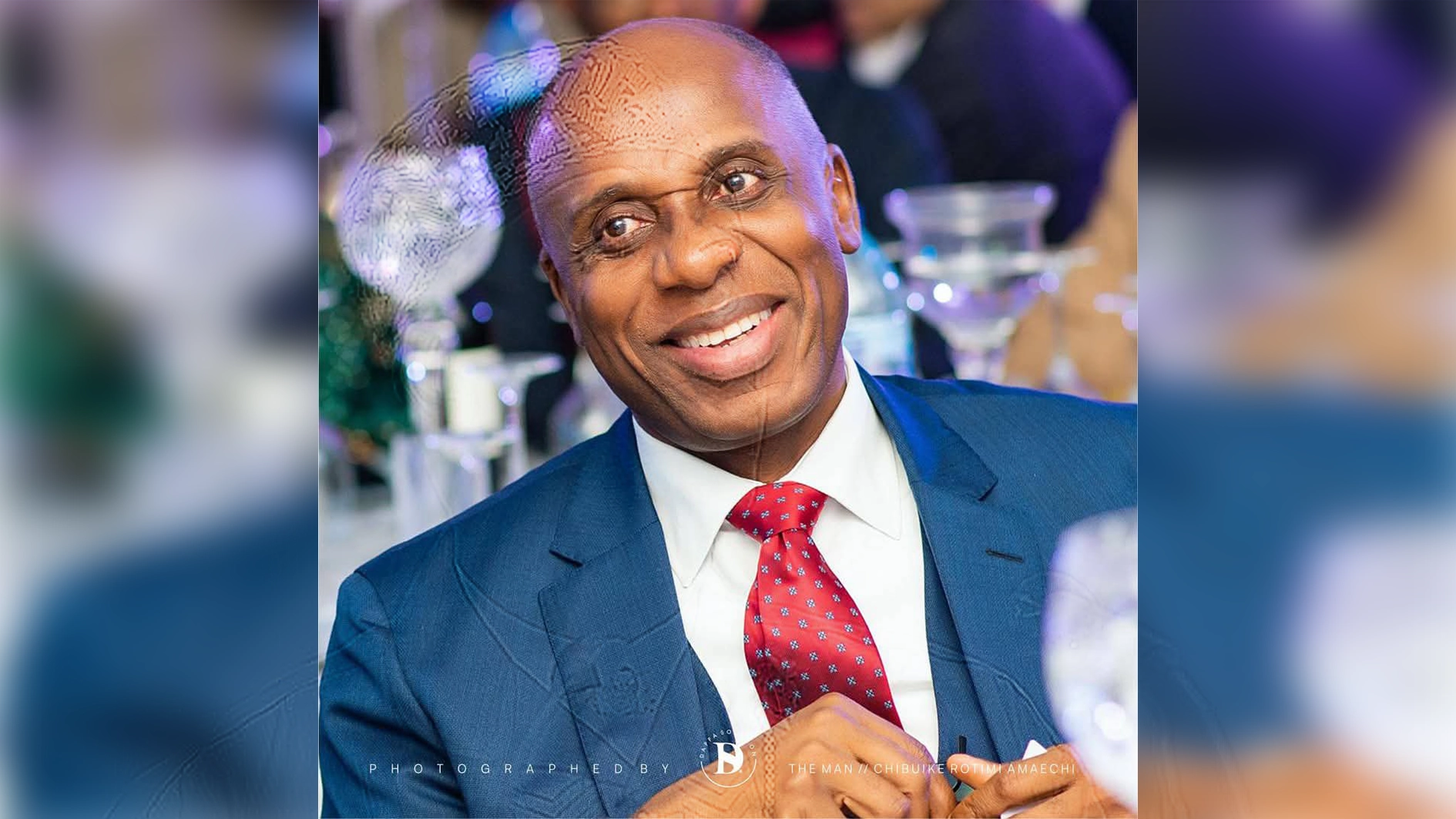
The ADC’s decision to pair former Vice President Atiku Abubakar with former Rivers State Governor Rotimi Amaechi initially appeared to create one of the strongest opposition tickets in the race.
Amaechi, born on May 27, 1965, possesses one of the most extensive political resumes among contemporary Nigerian politicians.
He served as Speaker of the Rivers State House of Assembly from 1999 to 2007, Governor of Rivers State from 2007 to 2015, and Minister of Transportation between 2015 and 2022.
During the party’s primary season, Amaechi repeatedly insisted that he was qualified to contest for the presidency himself and publicly declared that he would not ordinarily accept a vice-presidential role.
His eventual acceptance of Atiku’s offer, therefore, surprised many observers. However, barely days after the announcement, signs of internal discontent emerged within the ADC coalition.
Some influential stakeholders reportedly expressed reservations about Amaechi’s selection, arguing that his strong political independence and perceived closeness to certain APC figures could complicate power-sharing arrangements within the coalition.
Party insiders disclosed that disagreements had also surfaced regarding the formal transmission of his nomination to INEC.
The South-South geopolitical zone, where Amaechi hails from, accounts for approximately 14.4 million registered voters and remains strategically important because of its oil wealth and economic significance.
Yet, the region presents a difficult electoral terrain for the ADC. The APC currently controls all six South-South states following a series of defections and political realignments that have altered the region’s traditional voting patterns.
Whether Amaechi can successfully mobilise significant support for the ADC in Rivers State and across the South-South remains one of the major questions ahead of the election.
Some voters in the region still associate him with the coalition that defeated former President Goodluck Jonathan in 2015, a factor that could influence voter behaviour.
When contacted on the chances of the Atiku-Amaechi ticket, former ADC National Chairman, Ralph Nwosu, said the best people to speak on that possibility were the candidates themselves.
However, speaking on the prospects of the ticket, the ADC National Publicity Secretary, Bolaji Abdullahi, argued that with President Tinubu, the SDP presidential candidate and the APM presidential candidate all coming from the South-West, the region is already politically saturated, a situation he believes could give the ADC an advantage.
He also argued that while Peter Obi and his running mate, Rabiu Kwankwaso, would command significant influence in the South-East and North-West, respectively, Atiku’s popularity in the North and Amaechi’s political network could help the ADC make inroads into parts of the South-East and South-West.
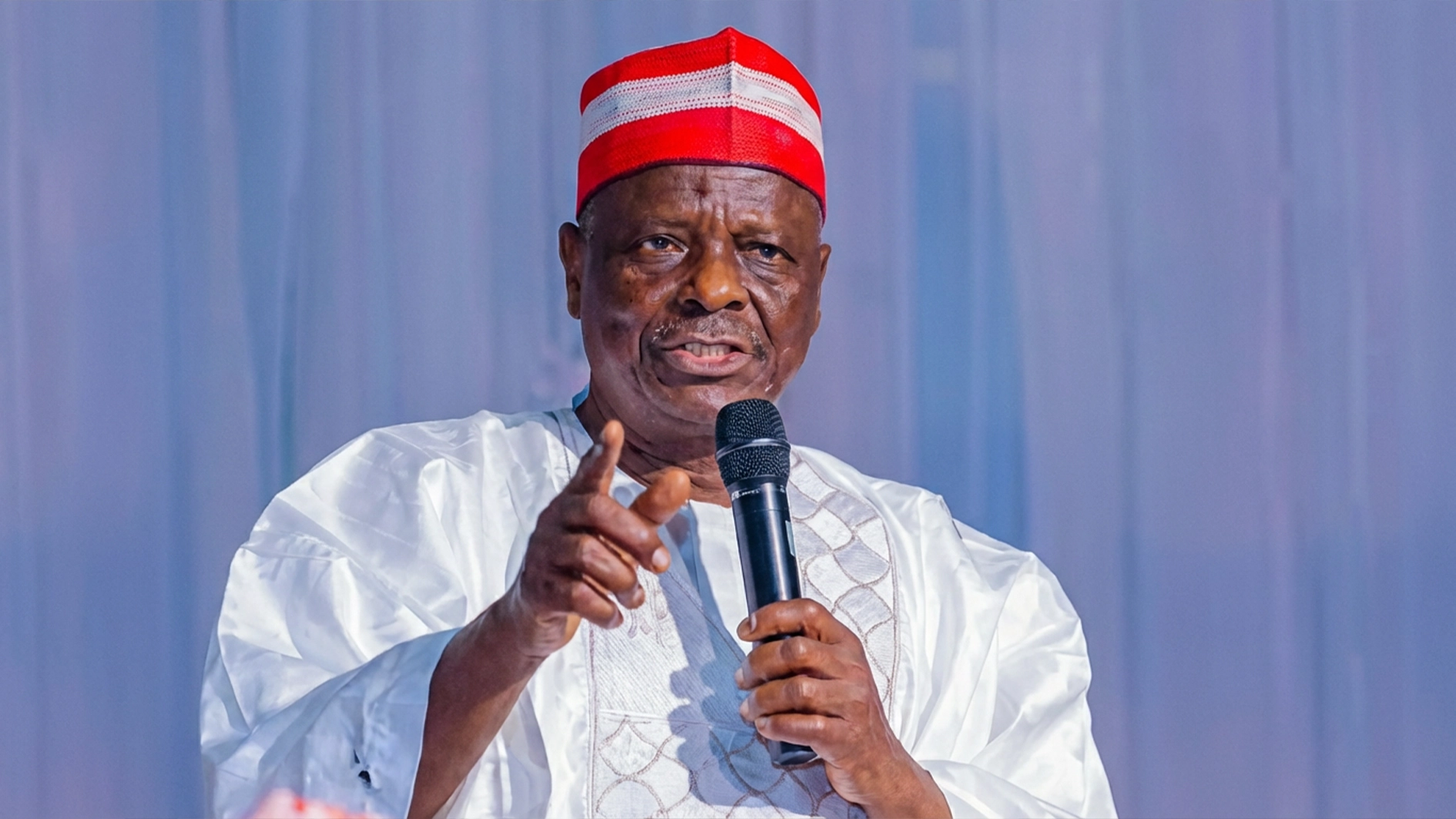
Perhaps the most intriguing vice-presidential choice so far is the NDC’s selection of former Kano State Governor, Senator Rabiu Kwankwaso, as Peter Obi’s running mate.
The Obi-Kwankwaso ticket immediately altered calculations across northern Nigeria, especially in the North-West, which remains Nigeria’s largest voting bloc.
According to INEC’s 2023 voter register, the North-West has more than 22.2 million registered voters spread across Kano, Kaduna, Katsina, Jigawa, Kebbi, Sokoto and Zamfara states.
Kwankwaso’s political influence extends beyond his electoral achievements. Through the Kwankwasiyya Movement, he has built one of Nigeria’s most organised grassroots political structures, particularly in Kano State, which alone has more than five million registered voters.
Born on October 21, 1956, Kwankwaso served as Deputy Speaker of the House of Representatives during the Third Republic, Governor of Kano State for two terms, Minister of Defence, and Senator, and was the presidential candidate of the New Nigeria Peoples Party (NNPP) in 2023.
Ironically, Kwankwaso had previously questioned Peter Obi’s qualifications and popularity.
During an appearance at Chatham House in London before the 2023 election, he criticised Obi’s political movement, arguing that it relied excessively on media popularity and identity politics.
At another point, he insisted that his experience in governance and public service made him better qualified for the presidency.
Yet, political realities have since compelled both leaders to forge an alliance.
In recent interviews, Kwankwaso acknowledged his willingness to work alongside Obi and stated that both men had agreed to jointly tackle insecurity, unemployment and economic challenges confronting the country.
Supporters of the alliance believe the combination could significantly disrupt traditional voting patterns in the North-West and parts of the North-Central.
However, critics remain sceptical about the long-term stability of the partnership, citing Kwankwaso’s independent political stature and speculation that he may harbour presidential ambitions for 2031.
PDP, SDP, PRP and APM are still searching
As of the time of filing this report, several parties were still struggling to complete their tickets.
The PDP, which continues to grapple with lingering leadership disputes and internal factional battles, has yet to unveil a vice-presidential candidate.
The SDP and PRP are similarly engaged in consultations aimed at balancing regional interests and strengthening electoral appeal.
The APM presidential candidate, Governor Seyi Makinde, who hopes to position himself as an alternative platform for dissatisfied voters, has also delayed announcing a running mate.
While it is obvious that Makinde’s candidacy could affect Tinubu’s votes in the South-West, the delay in settling for a running mate may affect the APM’s chances.
With less than two weeks before the deadline, pressure is mounting on these parties to conclude negotiations and present unified tickets capable of challenging better-organised opponents.
Although the SDP is yet to unveil a vice-presidential candidate for its presidential flagbearer, Adewole Adebayo, the party’s National Secretary, Olu Agunloye, attributed the delay to ongoing consultations aimed at achieving regional, religious, and political balance. He explained that the party is also weighing strategic options that could strengthen its national appeal and attract key political interests.
On meeting INEC’s deadline, Agunloye expressed confidence that the party would resolve the issue and unveil its running mate as soon as possible.
Battle for strategic zones
As the race gathers momentum, attention is increasingly shifting from presidential candidates to the strategic value of their running mates.
The North-West remains the most coveted region with over 22 million registered voters, followed by the South-West with more than 18 million voters and the North-Central with over 15 million.
The North-East, South-South and South-East also remain critical battlegrounds whose outcomes could determine the final result.
For the APC, retaining Shettima signals stability and continuity. For the ADC, Amaechi represents experience and executive competence, albeit with some internal political baggage. For the NDC, Kwankwaso offers access to a formidable grassroots political structure capable of reshaping the electoral landscape in northern Nigeria.
Ultimately, as campaigns intensify, the success or failure of these vice-presidential choices may prove decisive in determining who occupies Aso Rock after the 2027 presidential election.

