 Follow Us on Google News
 Follow Us on Google Discover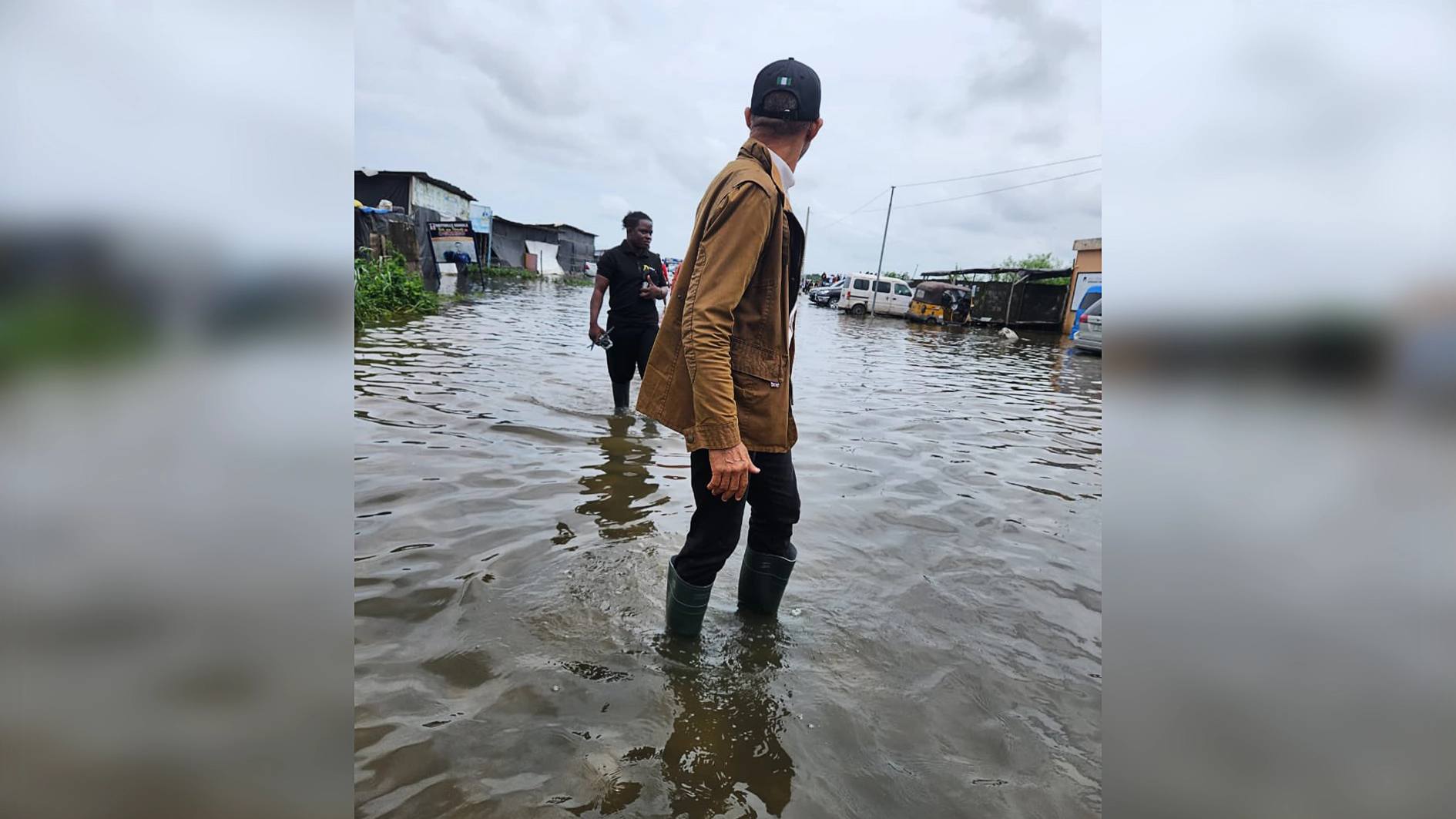
The Lagos State Commissioner of Health, Professor Akin Abayomi, has urged residents to avoid contact with floodwaters whenever possible.
The commissioner noted that floodwaters are often contaminated with sewage, chemicals, and other pollutants, creating ideal conditions for waterborne diseases such as cholera and typhoid. He said they also increase the risk of skin infections, injuries, snakebites, and electrocution from submerged electrical installations.

With flooding plaguing the state in this rainy season, Abayomi urged residents to drink only safe or treated water and to maintain good hand hygiene.
Posting on X, Abayomi advised Lagosians to switch off electricity before entering flooded homes, and seek immediate medical attention for diarrhoea, vomiting, fever, or other signs of illness.
“Health is shaped not only by the care we provide in hospitals but also by the environments in which people live. Protecting Lagos from the health impacts of flooding requires government, communities, and residents to work together to build a safer, more resilient city,” he said.
The commissioner revealed that beyond damaged roads and submerged homes, floods disrupt access to healthcare, schools, workplaces, and essential services. He noted that families lose property and income, communities are displaced, and the physical and emotional toll can last long after the waters recede.
He said the impact of flooding falls hardest on those already most vulnerable: older persons, young children, pregnant women, nursing mothers, and people living with disabilities.
“Alongside Governor Babajide Sanwo-Olu, Deputy Governor Dr Obafemi Hamzat, the Honourable Commissioner for the Environment and Water Resources, and other senior officials, I visited affected communities to assess the situation firsthand. One striking sight was canoe operators ferrying residents, particularly older persons and those with mobility challenges, across flooded streets. While this demonstrates the resilience and ingenuity of Lagosians, it also highlights how deeply flooding disrupts daily life.
“As the Ministry of Health, our focus goes beyond treating illness. We are strengthening disease surveillance in affected communities, promoting safe water and sanitation practices, monitoring for outbreaks of waterborne diseases, and coordinating with other ministries to reduce flood-related health risks,” the commissioner said.
Abayomi revealed that the state government has designed new healthcare facility blueprints that integrate robust climate adaptation and resilience measures tailored to Lagos’s annual flooding and worsening weather.
The blueprint features low-carbon, naturally cooled designs elevated above projected flood levels; improved local drainage and green roofs to manage stormwater while harvesting rainwater; strict infection-prevention compliance to ensure safe, hygienic operations during crises; and integrated solar power systems to guarantee uninterrupted healthcare delivery during grid outages.

