 Follow Us on Google News
 Follow Us on Google Discover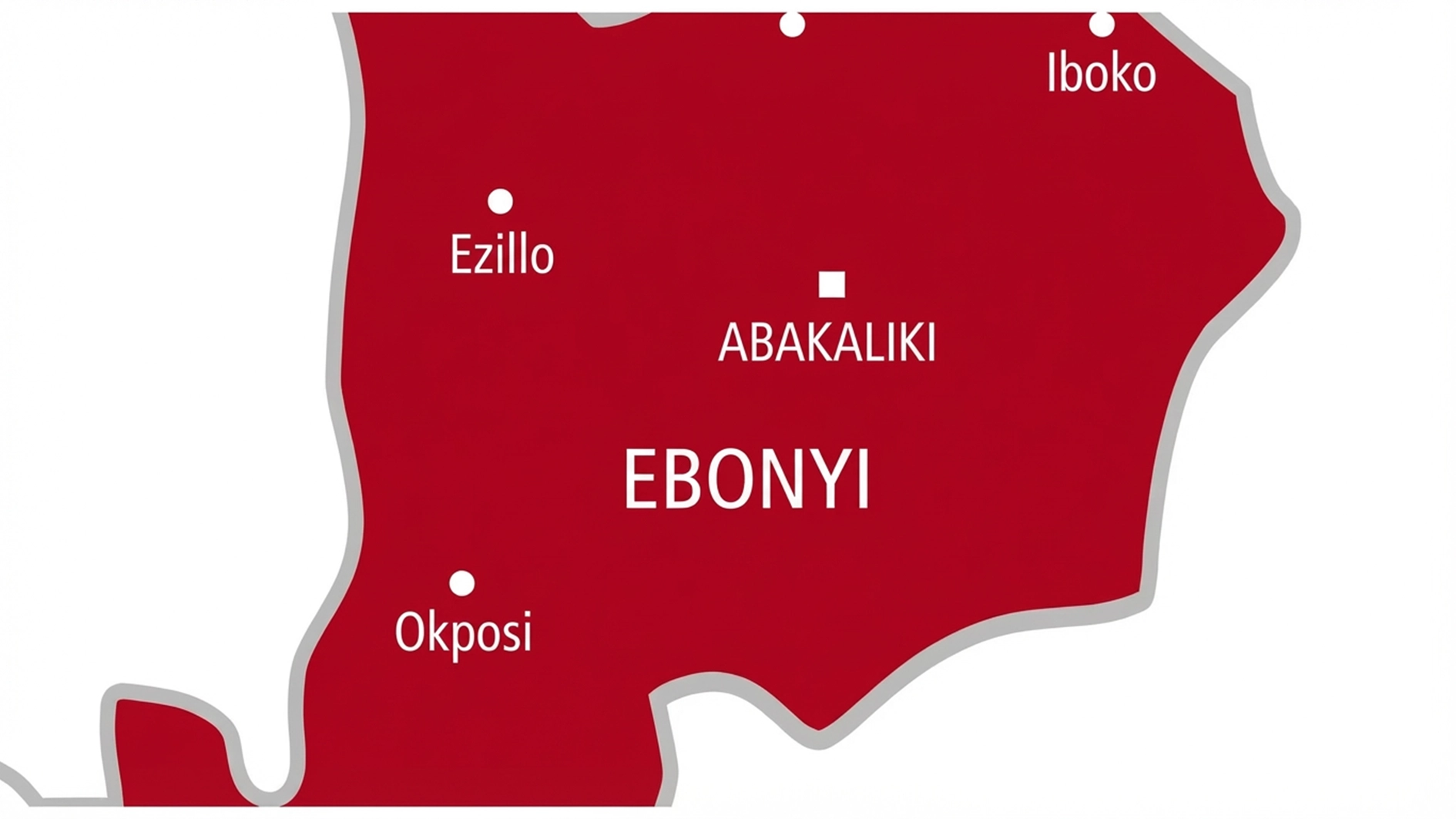
Ebonyi State has proposed new legislation to regulate the rental housing market by capping house agents’ commissions at two percent of a property’s rental value, in a move aimed at easing the financial burden on tenants and bringing greater transparency to property transactions.
Governor Francis Nwifuru approved the transmission of two executive bills to the Ebonyi State House of Assembly following a meeting of the State Executive Council, according to Commissioner for Information and State Orientation Ikeuwa Omebeh. The bills seek to regulate house rents, agency fees and the scrap metal trade across the state.
Omebeh said the tenancy bill was introduced in response to rising housing costs in Abakaliki, the state capital, and growing complaints over excessive charges by property agents.
“The bill prohibits agents from collecting a fee exceeding two percent of the total rental value,” he told journalists after the council meeting.
He said the proposed legislation would regulate relationships between landlords, tenants and both professional and non-professional house agents, while ensuring that registered agents comply with uniform standards.
According to the commissioner, the measure is intended to curb arbitrary charges, reduce exploitation in the housing sector and make accommodation more affordable for residents.

The proposal follows an earlier tenancy bill submitted by the state government to regulate house rents, which has already passed its first and second readings in the state assembly, according to state officials.
If passed into law, Ebonyi would join a growing number of Nigerian states seeking to regulate agency commissions amid rising rental costs and inflation. Housing advocates have argued that agency and legal fees, which in some parts of the country range between five and 10 percent of annual rent, significantly increase the upfront cost of securing accommodation.
The executive council also approved a separate bill to regulate the acquisition, sale, possession, transportation and disposal of metal and electrical scrap.
Omebeh said the legislation was designed to combat vandalism of public infrastructure, curb environmental degradation and improve public safety by tightening oversight of the scrap metal trade.
“The law will regulate the sale of metal and electrical scraps in Ebonyi State and other related matters,” he said, adding that it would help protect public assets from theft and destruction.
Both bills have been forwarded to the Ebonyi State House of Assembly for legislative consideration.
The proposals form part of the Nwifuru administration’s broader efforts to strengthen regulation in key sectors while addressing the rising cost of living and protecting public infrastructure, state officials said.

