GDN SIDEBAR
Nigeria’s culture is not only found in history books. It lives in ancient palaces, museums, parks and performance spaces. Here are five sites where you can experience the stories, art and traditions that shaped Nigeria.
Freedom Park
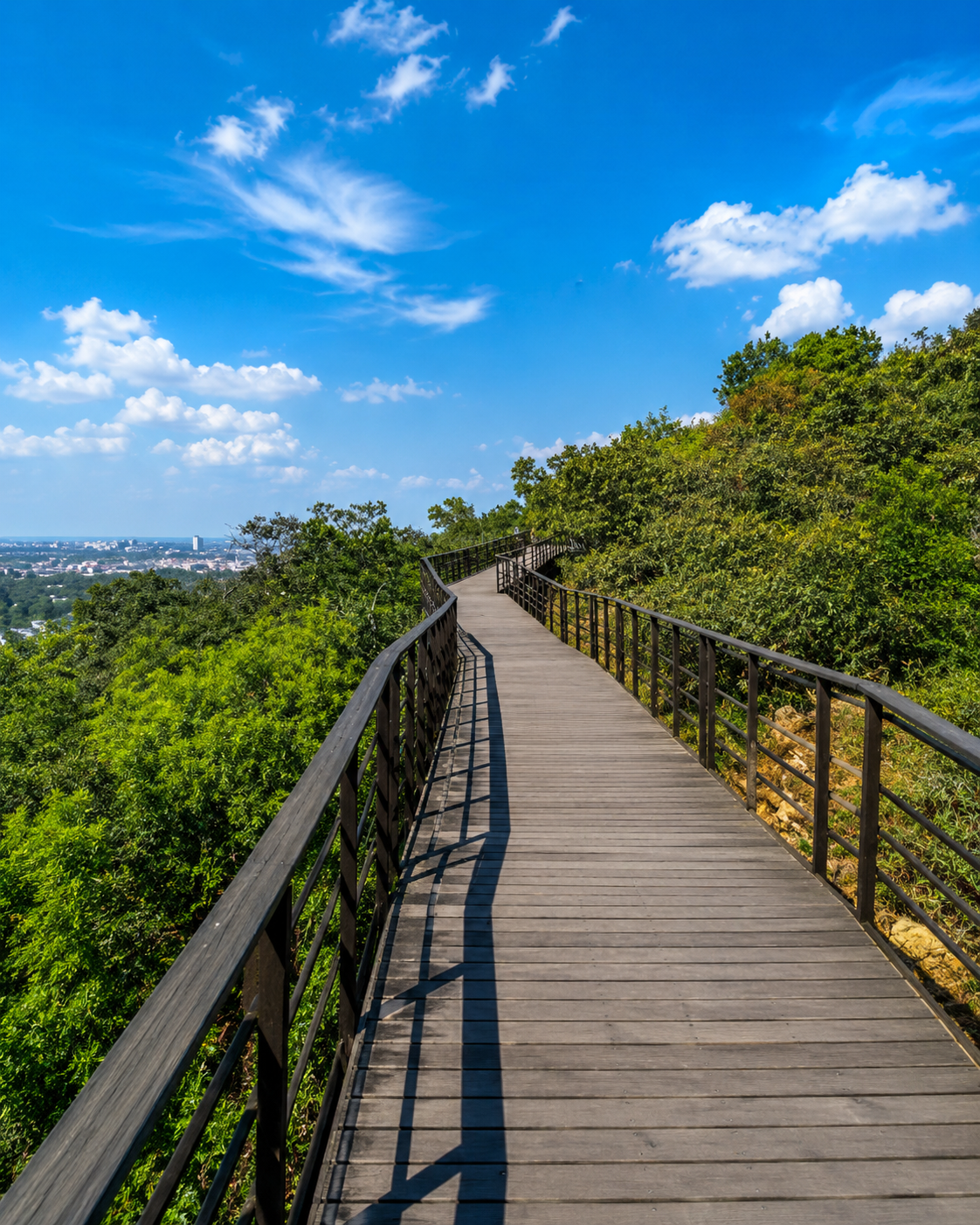
Freedom Park sits on the former site of Broad Street Prison on Lagos Island. Today, the historic ground has become a lively home for art, music, theatre and festivals. Visitors can walk through its green spaces, view sculptures and discover traces of its colonial past. The park shows how Lagos transformed a place once linked to imprisonment into a meeting point for creativity and community. It is a good starting point for anyone who wants history served in a relaxed setting. Freedom Park also hosts cultural events throughout the year.
The Emir’s Palace
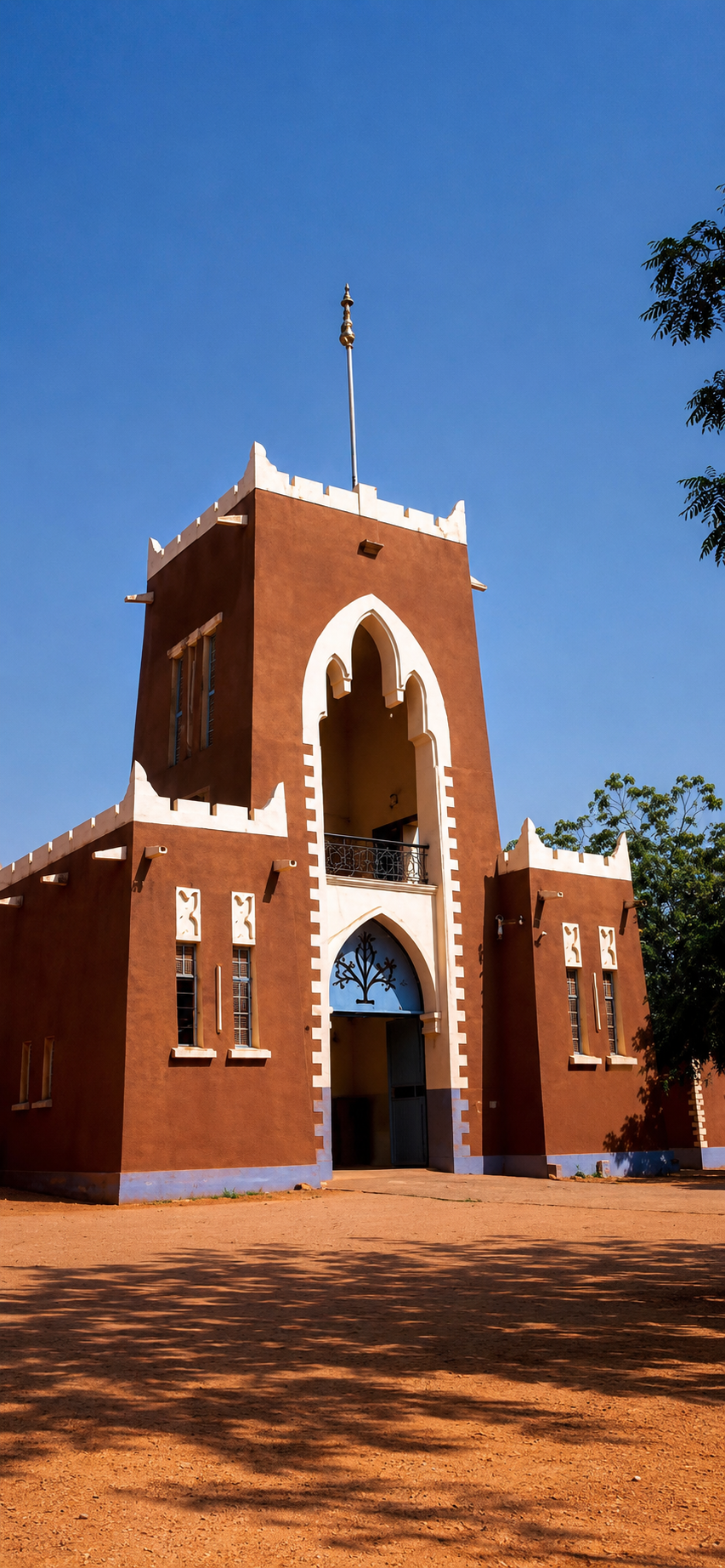
The Emir’s Palace is one of Kano’s most important cultural landmarks. It was built in the 15th century by Muhammadu Rumfa and has remained closely tied to Kano’s traditional leadership. Its gates, courtyards and Hausa architectural details offer a glimpse into centuries of royal history. The palace area becomes particularly colourful during Durbar celebrations, when traditional horsemen and musicians fill the streets. Since it remains a functioning royal residence, you can arrange access through an approved local guide and respect restrictions. ArchNet documents its historic importance.
Mobee Royal Family Slave Relics Museum

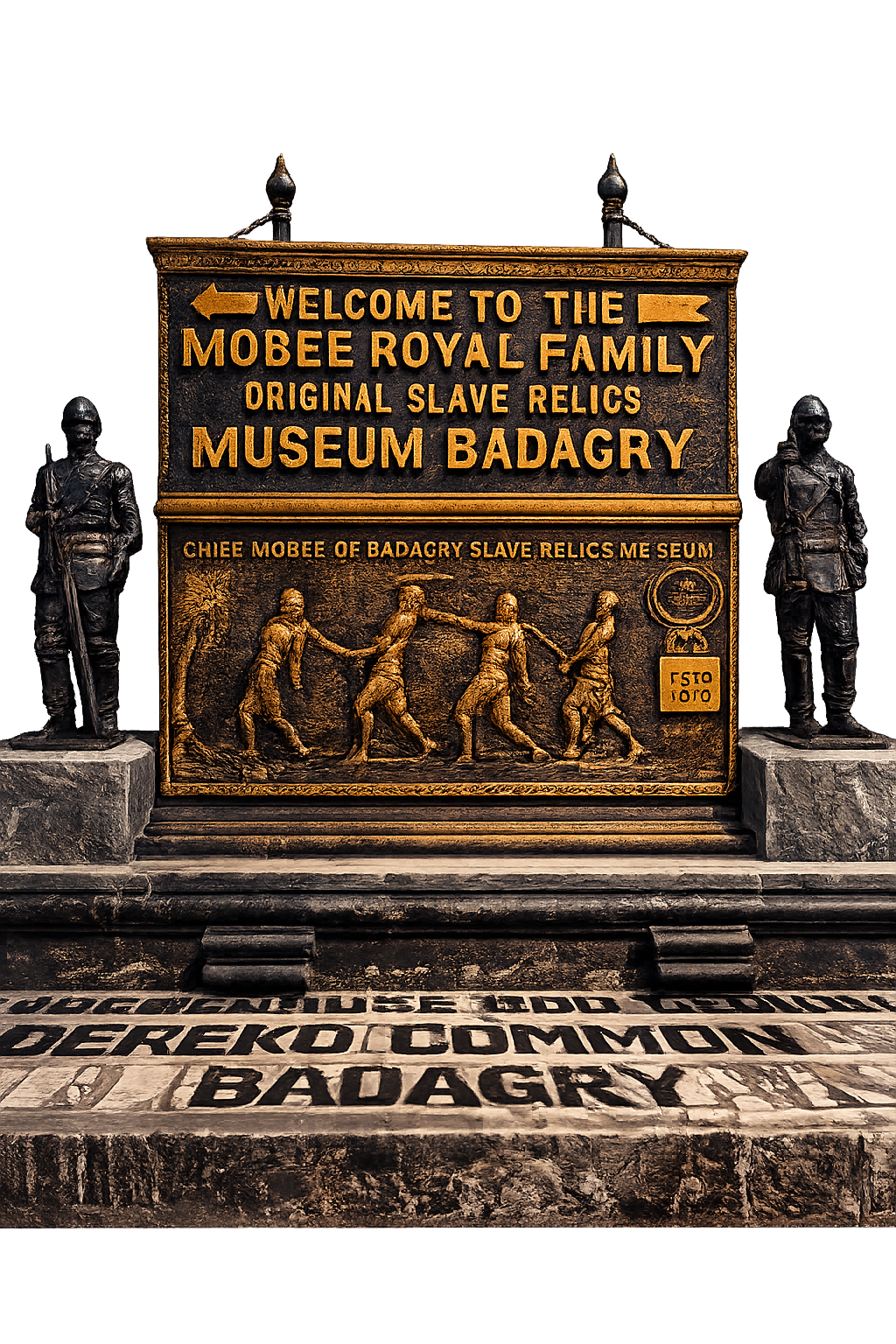
The Mobee Royal Family Slave Relics Museum preserves a difficult but important part of Nigeria’s history. Located in Badagry, the museum holds original objects connected to the transatlantic slave trade, including chains, documents and other trade-era relics. The displays help visitors understand Badagry’s role in that period and the suffering endured by enslaved Africans. It is not a light outing, but it offers lessons that should not be forgotten. A guided tour provides useful context and helps visitors connect the museum with other historic sites across Badagry.
National Museum
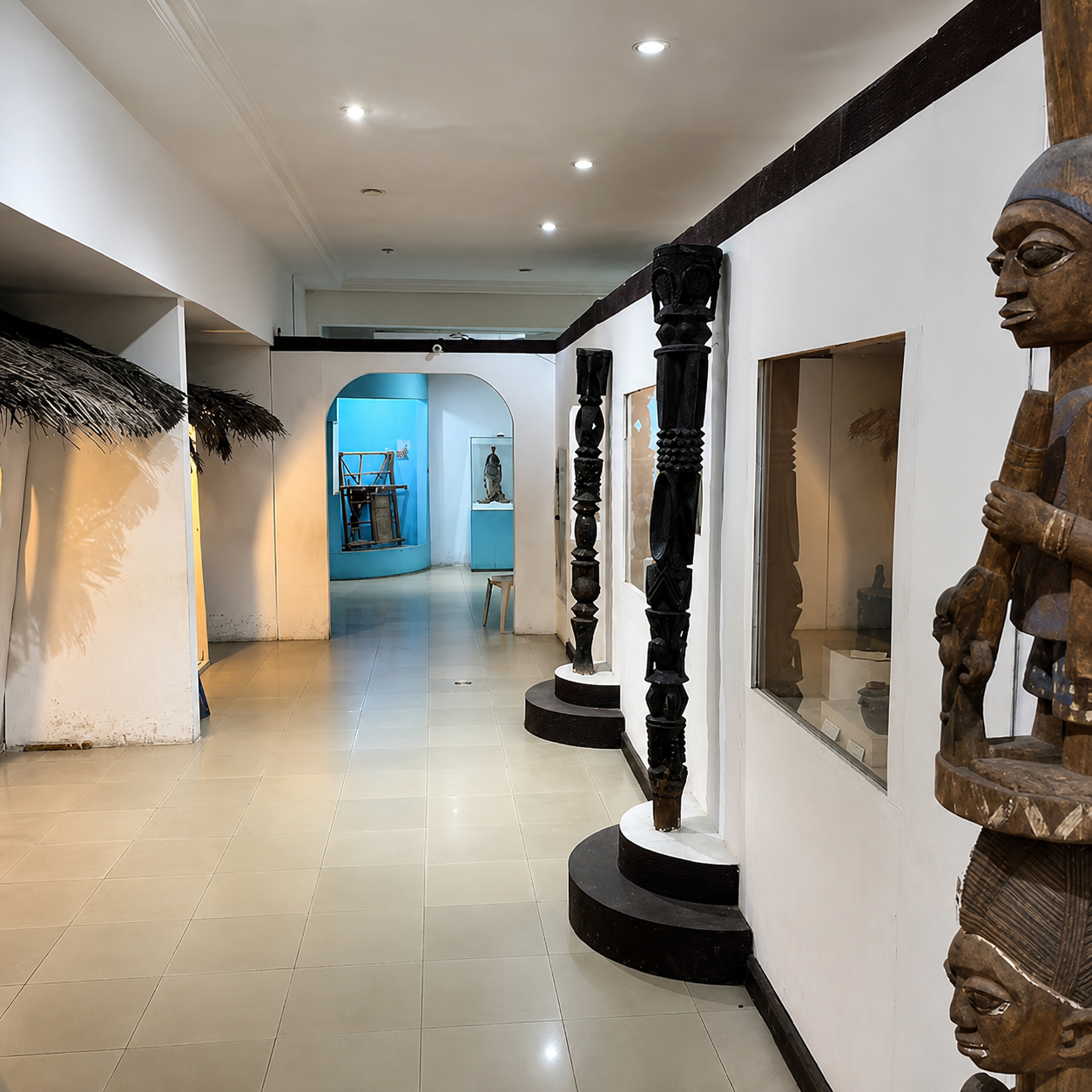
The National Museum in Onikan brings several parts of Nigeria’s cultural story under one roof. Opened in 1957, it houses Nok terracotta, Benin artworks, traditional clothing, carvings and objects from different Nigerian communities. Each collection shows how Nigerians lived, created, worshipped and governed before and during the colonial period. The museum is ideal for students, tourists and anyone curious about the country’s artistic roots. Take your time with the displays because many objects carry stories that a quick walk may miss.
Wole Soyinka Centre for Culture and Creative Arts
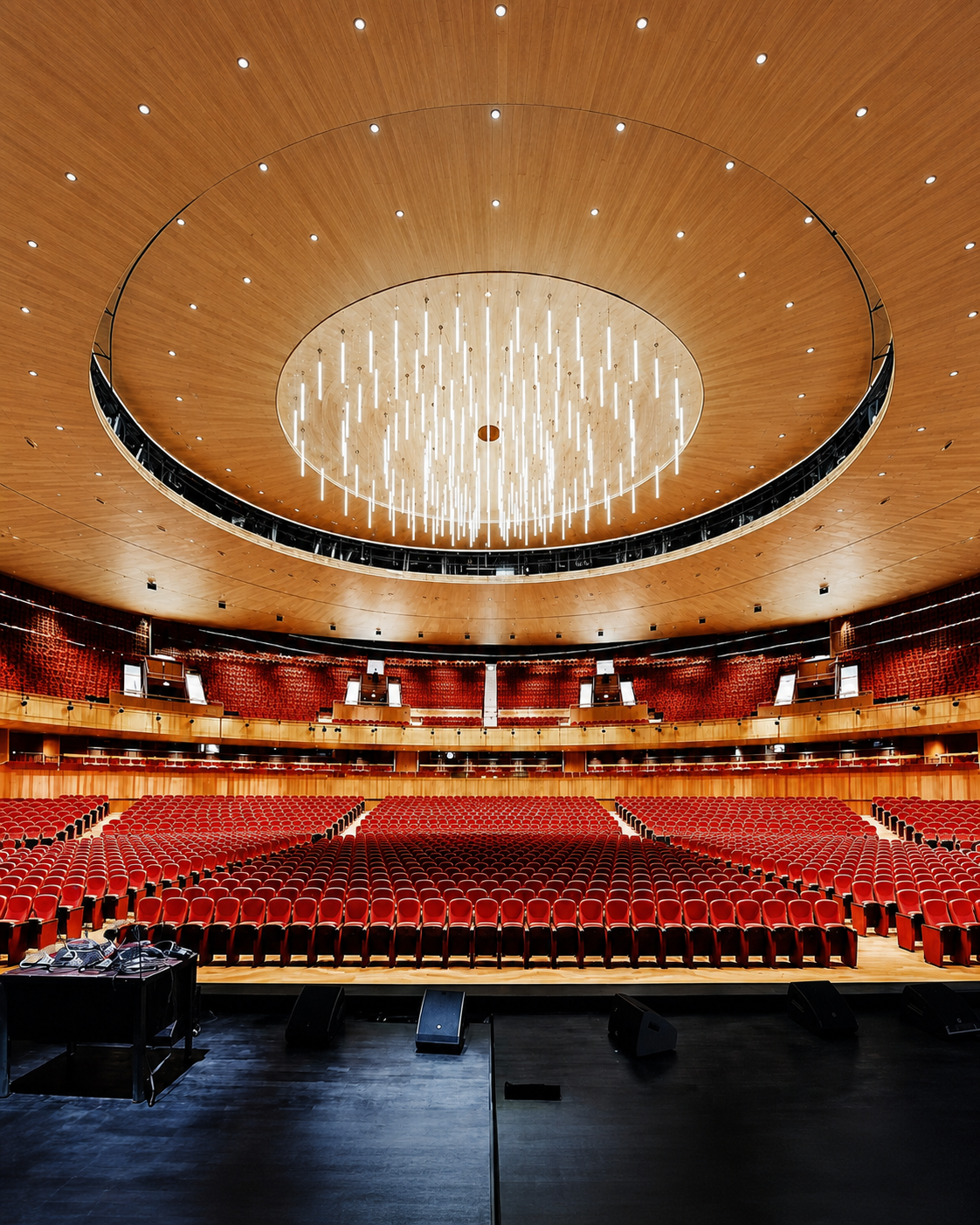
Formerly known as the National Arts Theatre, this Lagos landmark was built in 1976 ahead of FESTAC ’77. It was renamed after Nobel laureate Wole Soyinka in 2024 and reopened in October 2025 following a major renovation. The centre now has modern performance halls, cinemas, exhibition galleries and spaces for cultural events. Its structure remains one of the country’s most recognisable buildings. To enjoy the full experience, visit during a play, concert or exhibition. The centre connects Nigeria’s cultural past with the new generation shaping its creative future.