 Follow Us on Google News
 Follow Us on Google Discover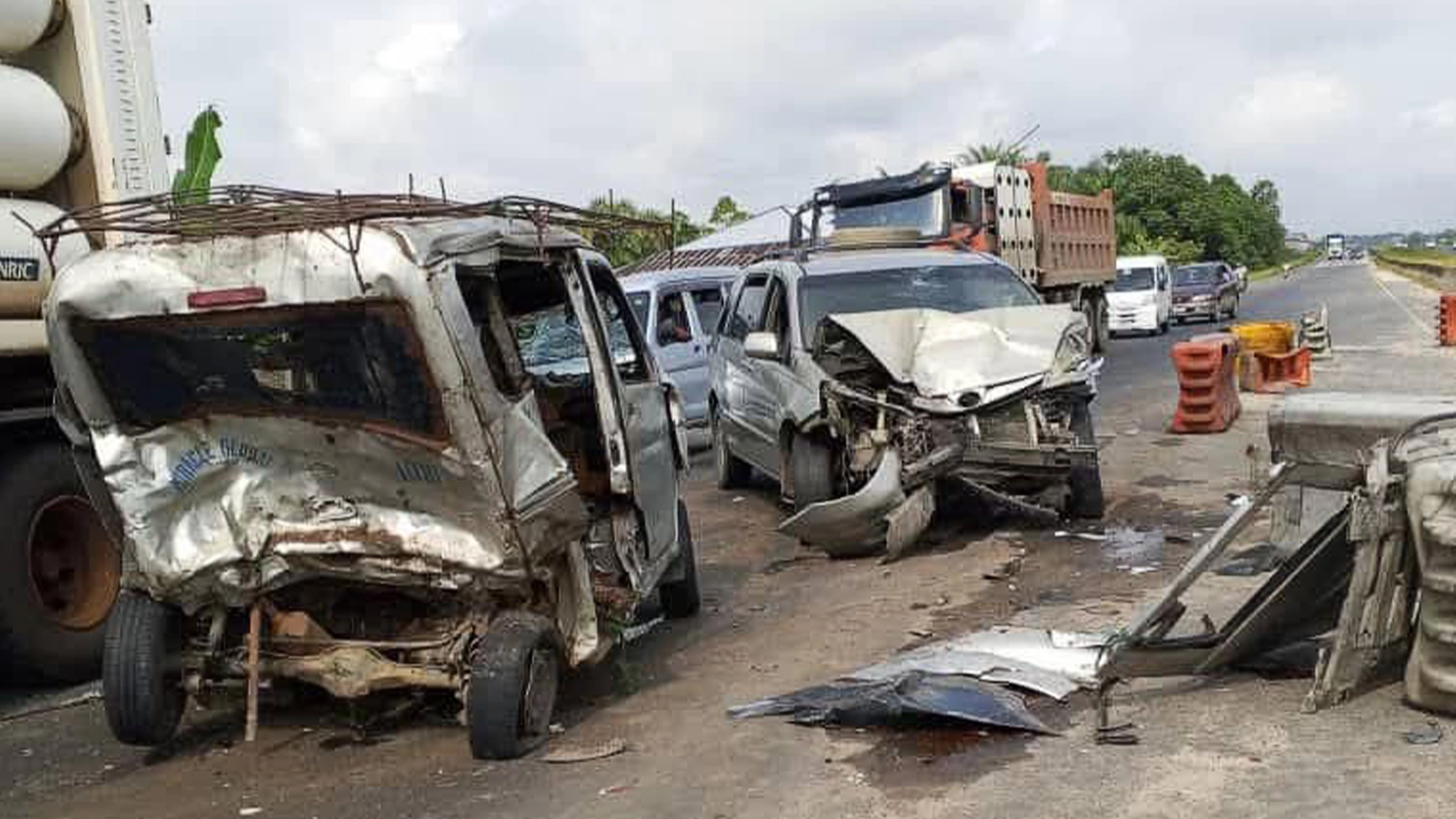
Despite more than one billion motor vehicles on the world’s roads, the global rate of road traffic deaths declined by 21 per cent between 2011 and 2025, while the African Region recorded a 17 per cent increase in road traffic deaths, according to new data released by the World Health Organisation (WHO).
The global health agency noted that the world has experienced profound changes in road transport during the period, with the emergence of new modes of transport and a sharp rise in motorcycle use.
WHO observed that with nearly 60 per cent of the world’s population now living in urban areas, growing demand for mobility threatens to overwhelm transport systems that were largely designed around private motor vehicles.
It stated that despite the progress, road traffic crashes still claimed 1.16 million lives in 2025, while road traffic injuries remain the leading cause of death among children and young people aged five to 29 years.
The report revealed that globally, 10 countries reduced road traffic deaths by at least 50 per cent in the decade to 2021, while more than half of all countries reported declining fatalities during the period.
However, it noted that progress remains uneven, with a 36 per cent reduction in deaths recorded in the WHO European Region, a 15 per cent decline in the Western Pacific Region and a two per cent reduction in the WHO South-East Asia Region.

The report pointed out that with the rise of ride-hailing and delivery services, the number of motorcycles more than tripled between 2011 and 2025, adding that deaths among motorcyclists now account for nearly one-third of all global road fatalities. It noted that wearing a certified motorcycle helmet reduces the risk of death in a crash by more than six times.
According to the report, new forms of mobility, including e-scooters, e-bikes and autonomous vehicles, present both challenges and opportunities for transport planners and policymakers.
WHO said it is working to close gaps in road safety laws and regulations, promote consistent safety standards and bring together leading experts to ensure that new vehicles and emerging transport technologies are safe.
The new WHO data comes as global leaders adopted a new United Nations (UN) General Assembly declaration on road safety. The declaration aims to accelerate global action towards achieving the Sustainable Development Goal (SDG) target of reducing road traffic deaths and serious injuries by 50 per cent by 2030, compared with 2021 levels.
WHO Director-General, Dr Tedros Ghebreyesus, said the progress demonstrates that change is possible when countries invest in safer road systems. He noted that significant progress has been made over the past 15 years in reducing road traffic deaths despite the rapid increase in vehicle numbers and major changes in mobility patterns.
“I commend countries for the strong political declaration they are adopting today, which aims to accelerate action to ensure more roads are designed for people first, not motor vehicles, with safety as the priority. All road deaths are preventable and none are acceptable,” he said.
The new UN declaration includes a comprehensive set of commitments by Member States to implement national road safety strategies with clear targets, timelines and budgets. These include establishing lead road safety agencies, improving data collection and analysis, strengthening legislation and enforcement, and ensuring that roads, infrastructure and vehicles meet key safety standards.
The declaration also commits countries to implementing the proven Safe System approach, which recognises that people will always make mistakes on the road.
The approach promotes safer roads, infrastructure, vehicles, speed management and regulations that account for human error while ensuring that crash impacts remain within survivable limits. It also calls on governments to provide stronger leadership and urges the private sector to prioritise road safety throughout its supply chains.
In his remarks, WHO Director of the Department of Health Determinants, Promotion and Prevention, Dr Etienne Krug, stressed that more than half of all road traffic deaths involve people who are not travelling in cars but are walking, cycling or riding motorcycles.
“When roads are designed as if only car drivers matter, these people are left dangerously exposed,” he said. “We know what works: strong laws and enforcement, safe infrastructure and safer vehicles, with particular attention to lowering speed and addressing impaired driving. This declaration means we must all go further and faster.”
The declaration further states that strengthening road safety is critical to improving public health and advancing sustainable development. It noted that encouraging more people to walk, cycle and use public transport can reduce traffic congestion, improve air quality, create more liveable cities and support healthier, longer lives.

