 Follow Us on Google News
 Follow Us on Google Discover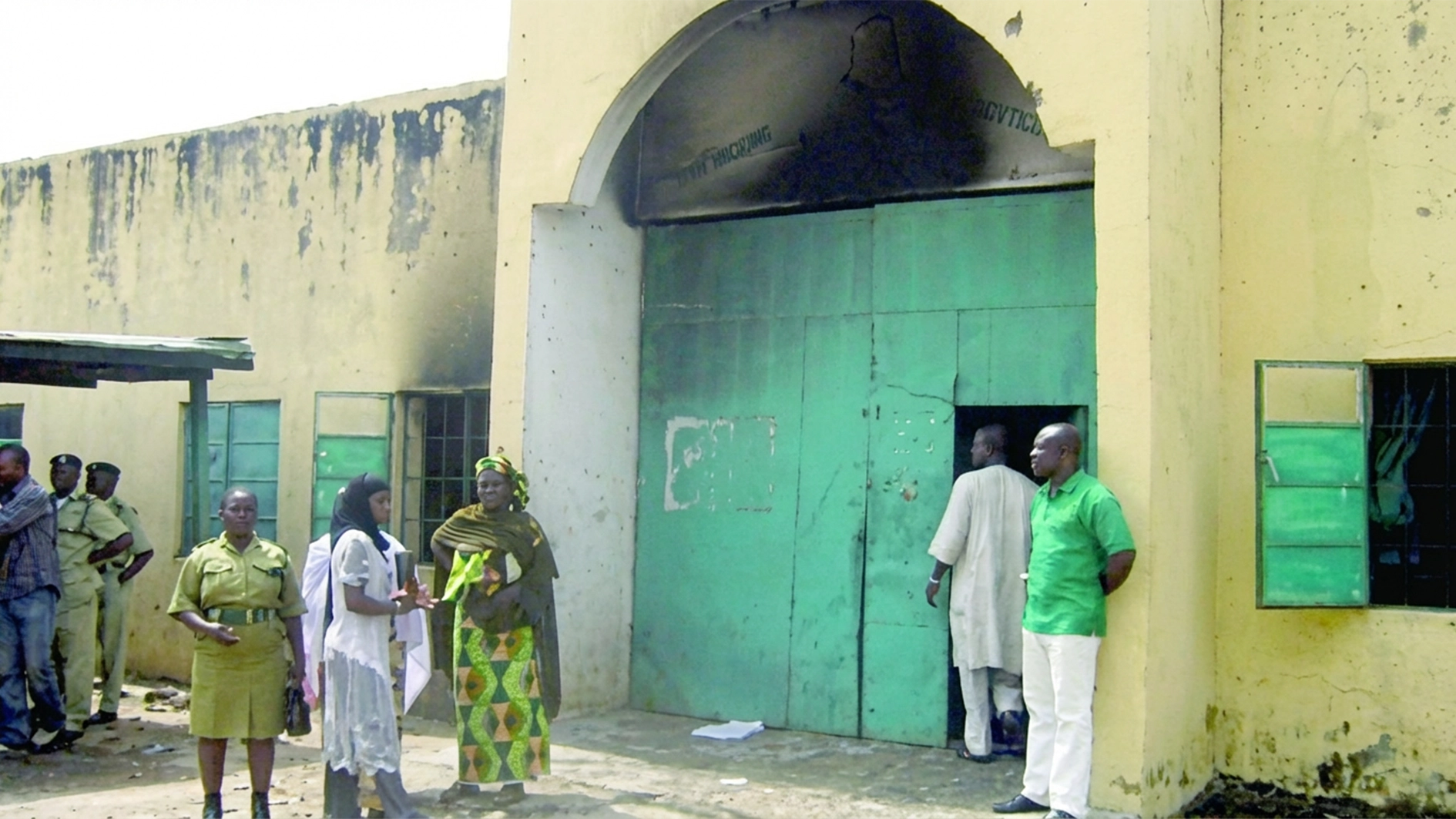
National Human Rights Commission (NHRC) has declared that poverty and inequality remain major drivers of prison congestion in Nigeria, warning that thousands of low-risk inmates continue to languish in correctional centres simply because they cannot afford to pay court-imposed fines.
Making the declaration at the commemoration of the 2026 Nelson Mandela Day held at the Suleja Correctional Centre, the Executive Secretary of the NHRC, Dr Tony Ojukwu, SAN, said the country must shift from a punishment-centred justice system to one that promotes dignity, fairness, rehabilitation and reintegration.
He stressed that many people in custody are victims of poverty rather than hardened criminals, insisting that addressing economic hardship is critical to reducing overcrowding in correctional facilities.
According to him, the 2026 Nelson Mandela Day theme, “It’s still in our hands to combat poverty and inequity,” directly reflects the realities confronting Nigeria’s criminal justice system.
Ojukwu noted that while the Commission continues to monitor detention facilities and advocate reforms, it has gone beyond recommendations by paying fines for indigent inmates, supporting their release, and providing welfare materials to improve their living conditions.
He said people with the financial capacity should support such humanitarian interventions to ensure that correctional facilities are not overwhelmed by inmates whose continued detention is solely because of poverty.

“The theme speaks directly to the realities we encounter in our work. Most crimes that bring people into custody are often rooted in poverty, and when you look at the fines that continue to keep low-risk inmates behind bars, you can see how poverty and inequity sustain overcrowding in our correctional facilities,” he said.
According to him, justice should not merely be about punishment but about restoring hope and allowing offenders to become productive members of society.
The NHRC boss explained that the Commission’s intervention aligns with the enduring legacy of former South African President Nelson Mandela, whose 27 years in prison inspired the global adoption of the United Nations Standard Minimum Rules for the Treatment of Prisoners, now known as the Nelson Mandela Rules.
He recalled that the United Nations General Assembly expanded the significance of Mandela Day in 2015 to promote humane conditions of imprisonment, recognise prisoners as continuing members of society, and acknowledge the vital role of correctional officers.
Highlighting the Commission’s intervention at the Suleja Correctional Centre, Ojukwu disclosed that selected low-risk inmates were being released after the payment of their fines, while inmates also received essential hygiene materials to improve their welfare.
He recalled that during the 2025 Mandela Day celebration, the Commission facilitated the release of four indigent inmates through the payment of their fines, donated welfare items and organised training for correctional officers on the Mandela Rules and the Bangkok Rules for the treatment of female inmates.
According to him, this year’s programme builds on that commitment by extending humanitarian support while strengthening efforts to ensure international standards for the treatment of persons deprived of liberty are fully implemented.
The commission, in collaboration with Hope Behind Bars Africa, also organised sensitisation sessions for officers of the Nigerian Correctional Service on the Mandela Rules and the Bangkok Rules to strengthen compliance with international human rights standards.
Ojukwu commended Hope Behind Bars Africa, Shamies Unusual Hearts Foundation, Eyesavers Healthcare Initiative and the management of the Suleja Correctional Centre for supporting the initiative.

